Fact: 1 kW of cooling = 3,412 BTU/h. So a 2.5 kW unit = ~8,500 BTU/h.
Don't skimp. A 2.5 kW unit is the floor for a 20 m² room — you'll want 3 kW+ for west-facing or poorly insulated rooms. Anything under ~2.5 kW (9,000 BTU/h) for a room that size and you'll be sweating while the AC runs.
The 0.8 kW split in the worked example above draws 0.8 kW but delivers ~2.5 kW of cooling (≈ 9,000 BTU/h) — right on target for a 20 m² room. The kW on the plug and the kW of cooling are different numbers; size the room by cooling kW, then size your inverter and battery from the plug kW.
Real talk: Your AC has two kW numbers: cooling capacity (sizes the room) and input/power draw (sizes your inverter and battery). BTU on the spec sheet = cooling capacity ÷ 3,412. Check both numbers before you buy.
Inverter Requirements: The Hidden Trap
Most people blow it here. Your inverter must handle the AC's startup surge (not just running wattage).
Running wattage: 0.8 kW (for a 2.5 kW / 9,000 BTU/h split — see the worked example)
Startup surge: 2.5x running wattage = ~2 kW
Example: a 9,000 BTU/h AC needs a 3kW+ inverter minimum
Don't buy a 1.5kW inverter for a 2.5 kW (9,000 BTU/h) AC. It'll trip constantly. You'll be yelling at the inverter while it's 40°C outside.
Practical Off-Grid Tips (No Bull)
Size for worst case: Add 20% to your cooling-kW calculation. Aussie heatwaves are brutal.
Run it smart: Set to 24°C. Every 1°C lower = 5-10% more power. 24°C is the sweet spot.
Use a dedicated circuit: Don't share the inverter with fridges or lights. ACs need full power.
Insulate first: Double-glazed windows + ceiling insulation = 30% less AC load. Cheap insurance.
Check your battery: 1.8kW surge needs 3+ hours of battery capacity. 24V 200Ah battery = 4.8kWh. That's 2.6 hours for AC alone.
Australian Suppliers & Pricing (indicative prices)
Don't waste time on cheap Chinese ACs. Get Australian-approved models.
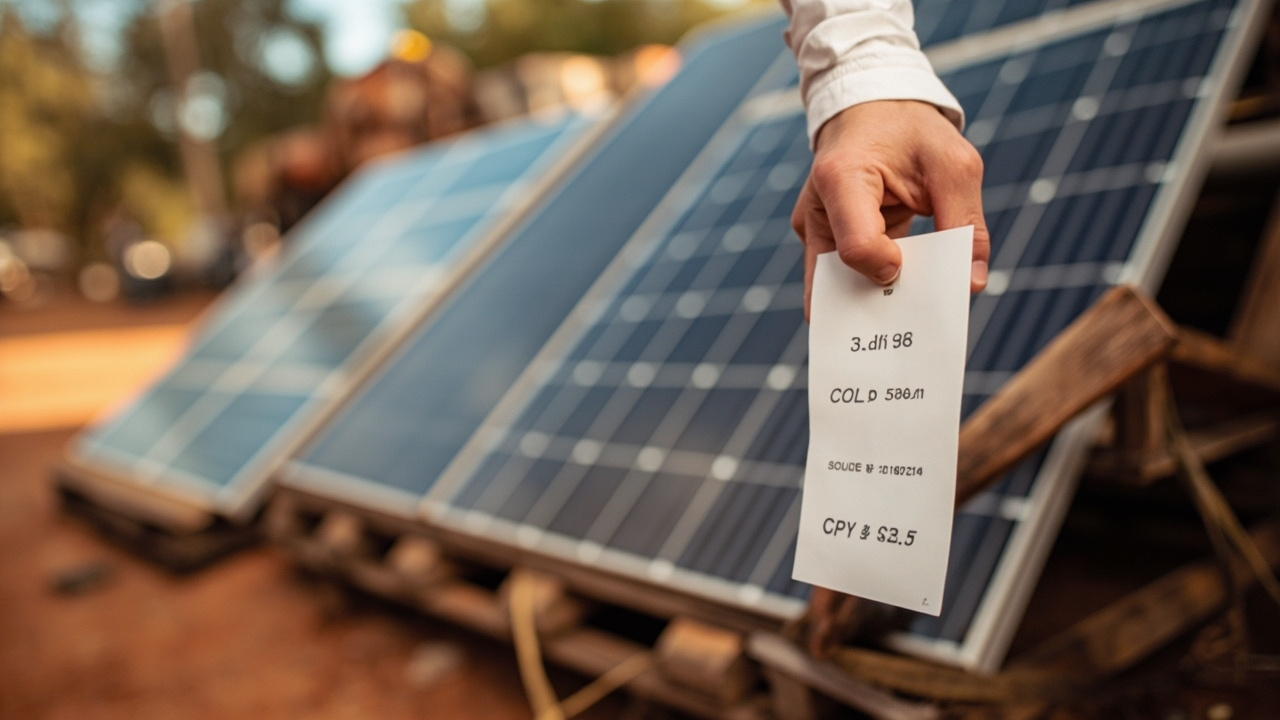
Solar equipment variety on Aussie pallet, price hint.
Recommended: Solar Batteries Australia (Sydney-based, no BS)
Why: Runs on ~0.95kW with a soft-start compressor, perfect for 3kW+ inverters (they handle the startup surge). Certified for Aussie off-grid use.
Alternative: Solar Outback (National)
Model: LG LP1219IVSM (12,000 BTU) - $1,899
Why: 1.3kW running, 3.25kW surge. Needs 3.5kW+ inverter. Good for 30m² rooms.
Price note: $1,200-$2,000 is standard for 2.5-3.5 kW ACs. Don't pay $3k for a basic unit.
The Bottom Line
Cooling capacity (kW) = your sizing bible. Inverter = must handle startup surge. Insulate first. Buy from a local supplier who knows off-grid.
Get it wrong? You'll be living in a sauna while your battery dies. Get it right? You'll sleep cool without guilt.
⚠️ SAFETY WARNING: Working with electrical systems, structural modifications, or gas installations carries inherent risks. If you are not confident in your abilities, always engage a licensed professional.
It runs through the actual panel count you need for a typical split‑system AC using real wattage numbers, so you can plug those figures straight into your sizing calc. No fluff, just the quick math on how many panels keep the thing running through a hot Queensland summer.— OffGrid Masterplan
When to Call a Professional
While many off-grid projects are achievable as DIY, certain situations require licensed professionals:
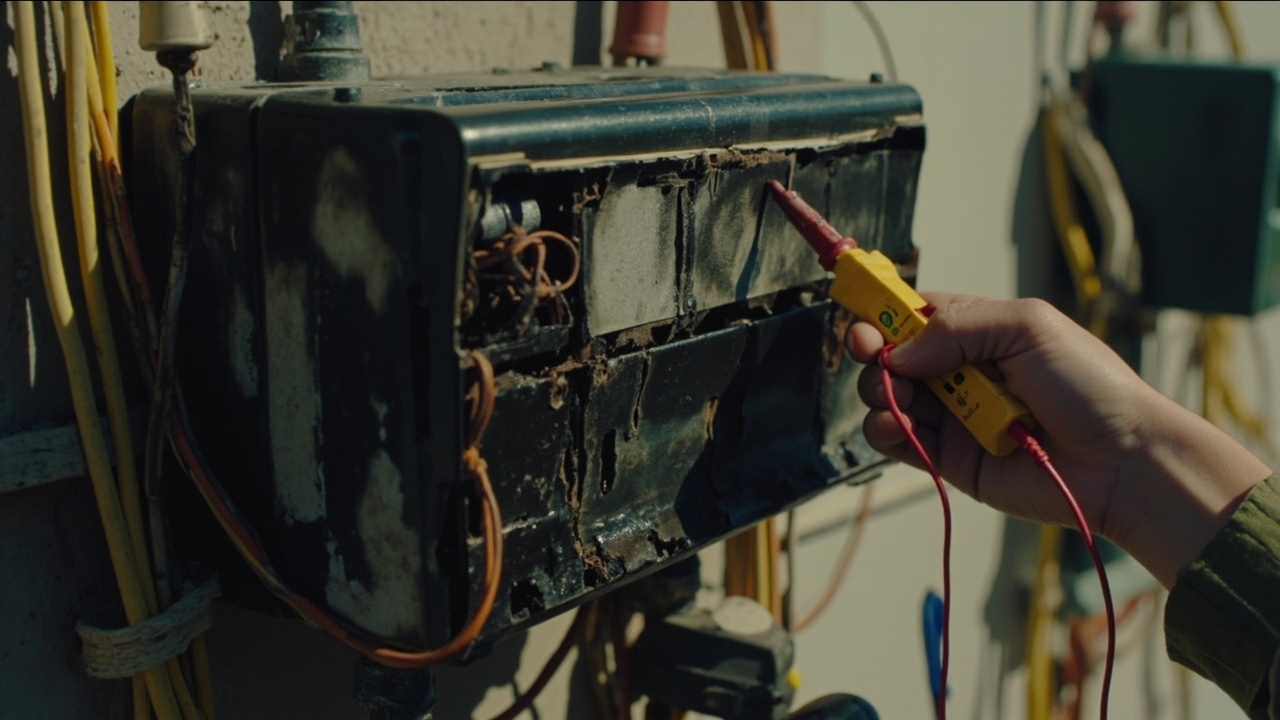
Scorched inverter demands professional repair immediately
Electrical work beyond basic 12V DC additions — requires a licensed electrician
Structural modifications to buildings or load-bearing elements
Gas line installation or modification
Solar array installations above safe voltage thresholds
Any work that affects the structural integrity of your property
Always check local regulations and obtain necessary permits before commencing work.