
Look, if you're off-grid in Australia, you're not getting a free weather report from the Bureau. You need to log your own climate data. Here's how to do it right, without wasting money or battery.
Sensors: Don't Buy the Fancy Stuff
You need exactly two sensors. That's it. Anything else is a waste of battery and cash.
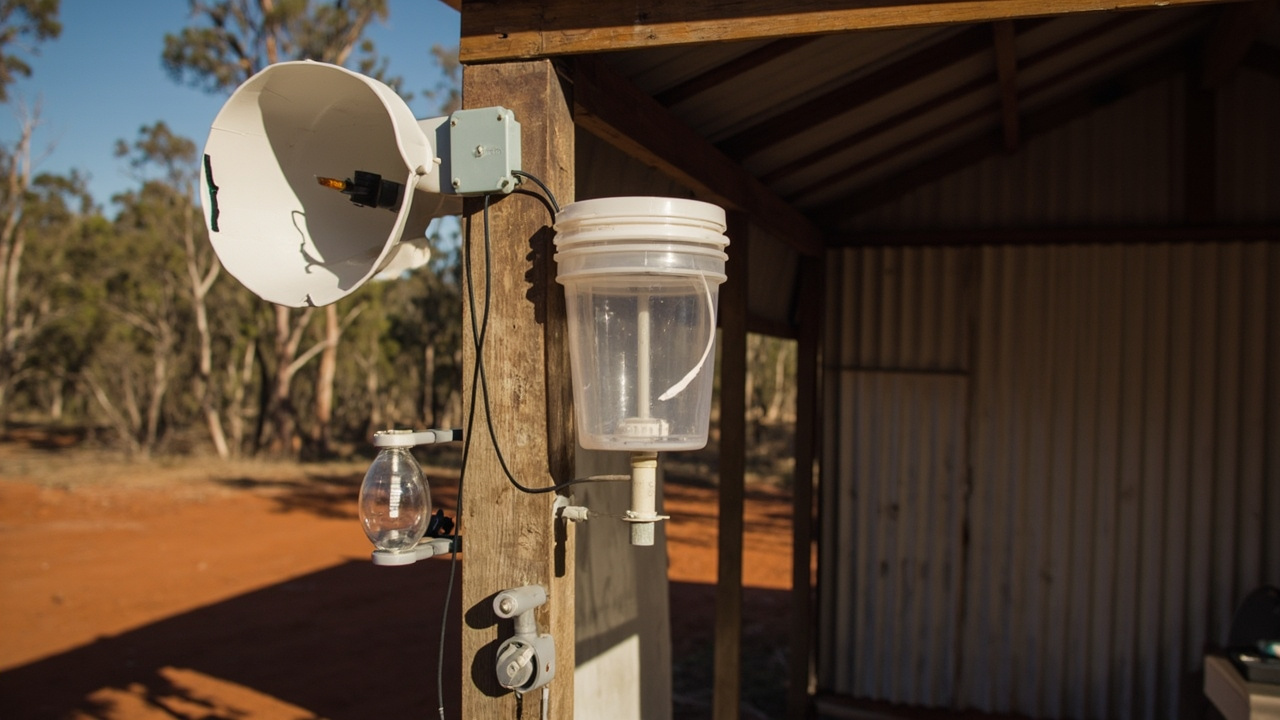
- Temperature: DS18B20 (waterproof, $3.50 each). Mount outside, away from sun.
- Humidity: DHT22 ($12.95). Same location as temp sensor.
Forget barometers, UV sensors, or wind speed. You're not a weather station. You're trying to not die in a heatwave.
Australian suppliers (no fluff, just prices):
- The Pi Hut: DHT22 $12.95 (same-day Melbourne delivery)
- Data Logger Australia: DS18B20 $3.50 (no minimums)
Logging Intervals: Don't Be a Data Hoarder
Logging every 5 seconds? You'll drain your battery in 3 days. Here's the sweet spot:
- Every 15 minutes: Standard. 96 readings per day. Enough to spot trends without filling your SD card.
- Every 5 minutes: Only if you're running a greenhouse or critical system. Battery will die faster.
- Never log more than once per minute. Your battery isn't a data warehouse.
Example: 15-minute logging = 2,880 readings per month. That's 1.5MB of data. You can store 100+ months on a 32GB SD card.
Storage: Don't Rely on Cloud
Cloud services? You don't have satellite internet. Stop dreaming.
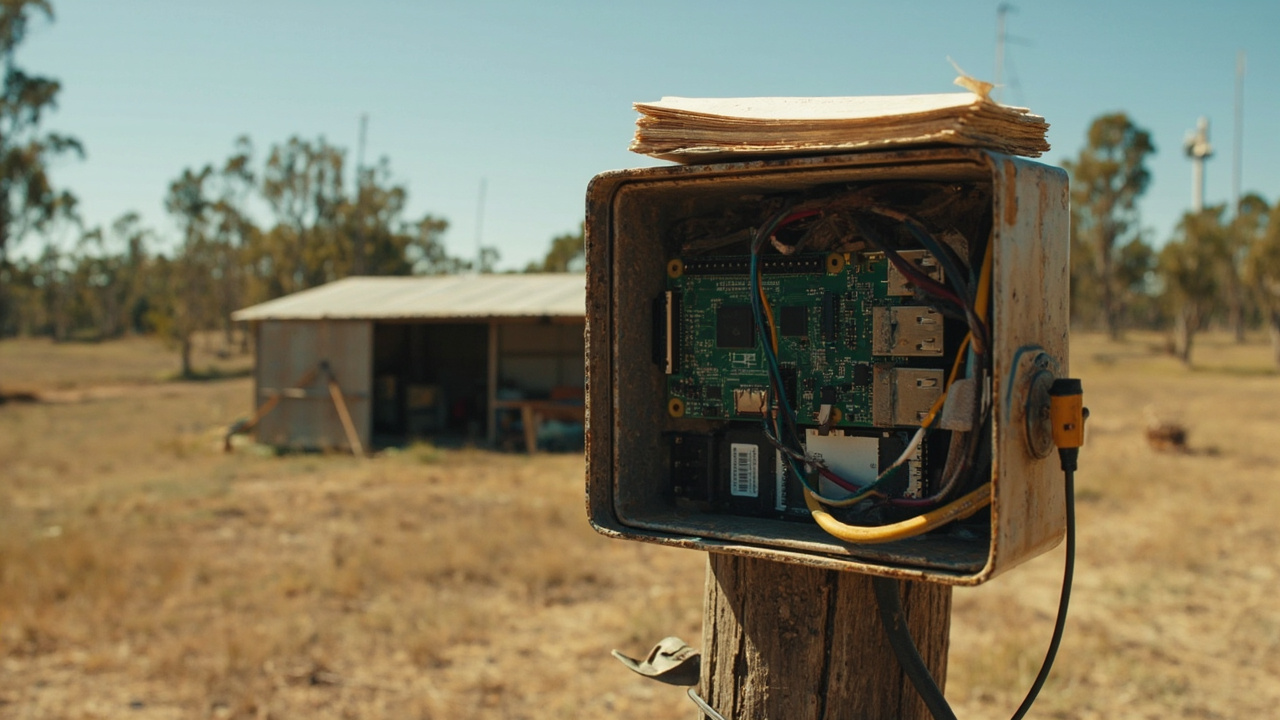
- SD card: Get a 32GB Class 10 card ($18). Format as FAT32. Cheap, reliable, and you can pull it out and check data manually.
- Never use cloud. Your off-grid system doesn't have the bandwidth.
- Backup weekly: Copy data to a USB drive. One drive in your shed, one in your car.
Tip: Buy a $20 weatherproof enclosure from Aurora Electronics to protect sensors from dust and rain. No point logging data if the sensor's fried.
Australian Suppliers & Pricing (indicative prices)
| Item | Supplier | Price (AUD) |
|---|---|---|
| DHT22 Sensor | The Pi Hut | $12.95 |
| DS18B20 Sensor | Data Logger Australia | $3.50 |
| 32GB SD Card (Class 10) | Amazon Australia | $18.00 |
| Weatherproof Enclosure | Aurora Electronics | $18.50 |
| Basic Data Logger (Raspberry Pi compatible) | Data Logger Australia | $29.95 |
That's all you need. Total cost: $83.95. No more, no less. If you're paying more, you're getting scammed.
Set it up. Log for a week. Then you'll know if your off-grid setup can handle the Australian climate. No more guessing. Just data. Now go fix your shed before the next heatwave hits.
Worth a watch: Solar Log 3rd-party solar monitoring · altE Store
Disclosure: some links in this article are affiliate links. If you buy through them we may earn a small commission at no extra cost to you.