Greywater recycling isn't a novelty up here in Central Queensland — it's one of those practical off-grid measures that pays for itself while keeping you compliant. Done wrong, it can poison a garden, breach Queensland regulations, and leave you with a fine. Done right, it can cut your household water draw by roughly half, which matters when you're on tank water and watching the gauge drop through a dry spring.

By Sarah Chen · environmental engineer · water, waste and everything that flows downhill
“I watched three years of my own greywater system fail when one clogged pipe flooded my Perth garden with raw dishwater.”
Greywater Recycling: Save 50% & Avoid QLD's $1,250 Fine
This guide covers what greywater actually is, the system types you can install, the costs you should budget, and the rules you must follow — particularly the Queensland requirements that carry a $1,250 on-the-spot fine for non-compliance.
What Greywater Is (and What It Isn't)
Greywater is the wastewater from your bathroom, laundry, and kitchen that hasn't yet reached the sewer. The stream breaks down into two categories:
- Light greywater — from bathroom sinks, showers, baths, spas, laundry tubs, and washing machines. This is the cleanest greywater stream.
- Dark greywater — from kitchen sinks and dishwashers. This is the most contaminated greywater source, with higher chemical, fat, and organic content.
Toilet wastewater is blackwater, not greywater. It is never part of a greywater system.
Just over half of the water consumed in an average Australian home could be recycled as greywater, potentially saving hundreds of litres per day.
Source-by-Source Breakdown
Understanding each source stream matters because each carries different contamination loads:
| Source | Composition | Risk Level |
|---|---|---|
| Bathroom (basins, showers, baths) | Low pathogens, low chemicals, low organic load | Cleanest — preferred for subsurface drip |
| Laundry | Detergents, soil, lint, moderate organics | Moderate — top-loaders produce more suds than front-loaders |
| Kitchen | High sodium, food waste, fats, oils, grease | Highest — generally excluded from simple systems |
Kitchen greywater is generally not recommended for reuse without advanced treatment. It should ideally be diverted to a septic or composting system rather than sent through a garden irrigation system.
Two Main System Types
There are two main categories of greywater systems in Australia:
1. Diversion Devices
These carry greywater untreated to either the garden or a toilet cistern. Components typically include a hose, diverter valves (around $30), closed-loop toilet diversion, surge tank, filters, and a pump. Costs range from several hundred to several thousand dollars, plus licensed plumber installation fees.
2. Treatment Systems
These collect, treat, and sometimes disinfect greywater before reuse. Treatment stages typically include:
1. Filtration of solids
2. Removal of pathogens and chemicals (salts, nutrients) via micro-organisms or chemical treatment
3. Optional disinfection by chlorination or UV light
Basic greywater treatment systems cost around $4,000. "Class A" systems — safe for watering edible plants but not for drinking or food preparation — cost from around $10,000 up to well over $20,000 including installation.
Subsystem Requirements
Whether you choose diversion or treatment, certain components need attention:
- Surge tanks require sludge removal every six months or so and should have an overflow device that diverts excess to the sewer.
- Filters need regular cleaning and replacement every 6 to 12 months.
- Diverter valves must allow you to switch between garden/subsoil disposal and sewer during heavy rain or system maintenance.
The Real Risks: Salt, Pathogens, and Storage
Salt (sodium) build-up in soil is the greatest risk of untreated greywater reuse. It can damage soil structure and reduce permeability, turning productive garden beds into hydrophobic, compacted ground over time.
The main source of sodium is powdered washing detergents and fabric softeners that use sodium salts as bulking agents. Concentrated powders and liquid detergents generally contain fewer salts — switching products is often the simplest first step.
On the positive side, phosphorus and nitrogen in greywater can act as plant nutrients and replace some fertiliser, provided you choose cleaning products with low phosphorus and nitrogen content.
Pathogen content is generally low in greywater unless contaminated items like nappies are washed. The risk is minimised by subsurface delivery — drip lines buried under mulch rather than sprinklers spraying above ground.
Two hard rules on storage and application:
- Greywater should not be stored more than 24 hours, as nutrients break down and create bad odours.
- Greywater should be infiltrated into the ground rather than allowed to pool or run off, to avoid mosquito breeding and human contact.
Queensland Compliance: The $1,250 Fine
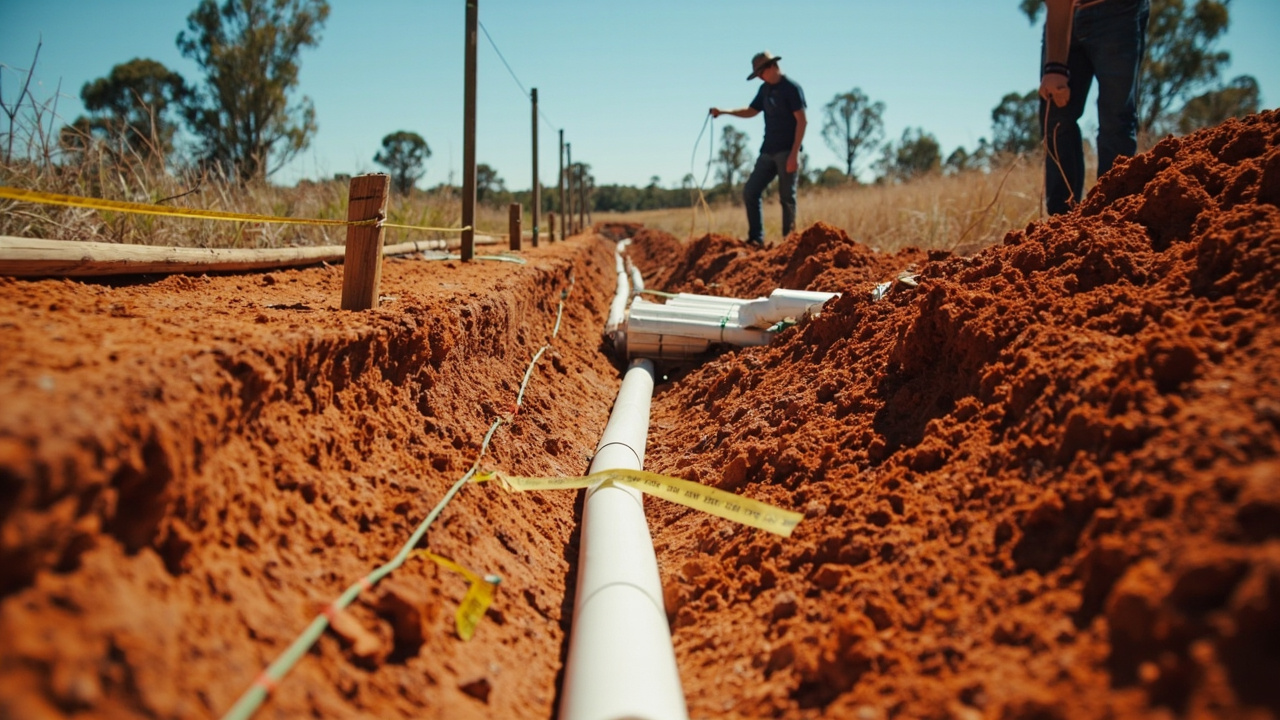
In Queensland, installing or altering a greywater system without proper approval and licensed plumbing work can attract an on-the-spot fine of $1,250. The regulatory framework requires:
- Work performed by a licensed plumber
- Compliance with the Plumbing and Drainage Act 2018 and the Queensland Plumbing and Wastewater Code
- A greywater treatment system approved by the Queensland Building and Construction Commission
- A permit from your local council for any on-site sewage and greywater disposal
If you're on a septic system or in a non-sewered area, the rules are stricter — you'll typically require a treatment plant rather than a simple diversion device.
When to Call a Licensed Professional
You must engage a licensed plumber or hydraulic engineer/drainer if:
- You are installing any new greywater system (diversion or treatment)
- You are connecting greywater to a toilet cistern (closed-loop toilet diversion requires backflow prevention)
- You are altering existing plumbing drainage
- Your property is in a non-sewered area and requires an on-site sewage disposal system
- You are installing a Class A treatment system that requires council approval
Do not attempt DIY installation of any system that connects to your household plumbing. A failed diverter can cross-contaminate your potable water supply, which is both illegal and a genuine health hazard.
Practical Tips for Off-Grid Setups
A few patterns that work well in Central Queensland conditions:
1. Prioritise bathroom and laundry sources — these are the lowest-risk streams and require the least treatment.
2. Switch to liquid or concentrated detergents — this reduces salt loading in your soil.
3. Use subsurface drip lines under mulch — this minimises pathogen exposure and evaporation loss.
4. Install a manual diverter valve — so you can send greywater to sewer during heavy rain or system maintenance.
5. Keep kitchen greywater out — unless you have an advanced treatment system, route kitchen water to your septic tank or composting system.
6. Plan for 24-hour turnover — if you're storing greywater, design your system so no water sits longer than a day.
Frequently Asked Questions
Q: Can I use greywater on my vegetable garden?
A: Only with a Class A treatment system that has been approved for that purpose. Untreated or primary-treated greywater should not be used on root crops or plants that touch the ground.
Q: How much can I realistically save?
A: Just over half of household water could be recycled as greywater — potentially hundreds of litres per day, depending on household size and usage patterns.
Q: Do I need council approval in Queensland?
A: Yes, for any treatment system or on-site disposal. Simple diversion devices may fall under exempt work, but you should confirm with your local council and always use a licensed plumber.
Q: What happens if my system fails or overflows?
A: An overflow device should divert excess water to the sewer. If your system is failing, switch the diverter valve to sewer immediately and call a licensed plumber.
Q: Can I connect greywater to my toilet cistern?
A: Yes, but only via a closed-loop diversion with proper backflow prevention, installed by a licensed plumber.
Q: How often do I need to maintain the system?
A: Surge tanks need sludge removal every six months. Filters need cleaning and replacement every 6 to 12 months. Inspect drip lines regularly for blockages.
Sources
- https://renew.org.au/renew-magazine/buyers-guides/greywater-system-buyers-guide/
- https://www.choice.com.au/home-improvement/water/saving-water/articles/guide-to-greywater-systems
- https://greywateraction.org/greywater-reuse/
- https://offgridmasterplan.com/article-archive/greywater
Worth a watch: How to use greywater in the garden | DIY Garden Projects | Gardening Australia · Gardening Australia
Disclosure: some links in this article are affiliate links. If you buy through them we may earn a small commission at no extra cost to you.