Forget fancy soil mixes. Hugelkultur is the lazy, effective way to build a garden bed that lasts years. No bullshit. Just logs, layers, and results. Here's how to do it right in Australia.
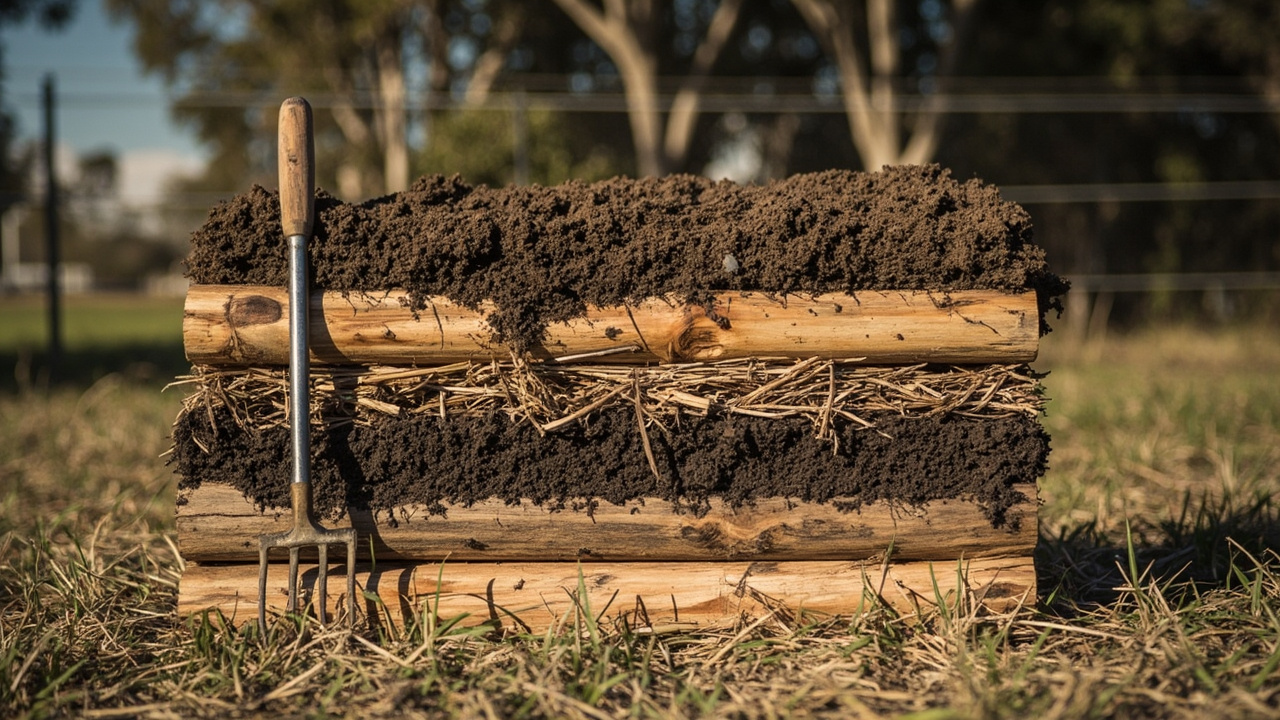
Hugelkultur bed cross-section: logs at the base, then branches, leaves, compost and topsoil, mounded 1.2-2m high.
Log Selection: Don't Waste Your Time
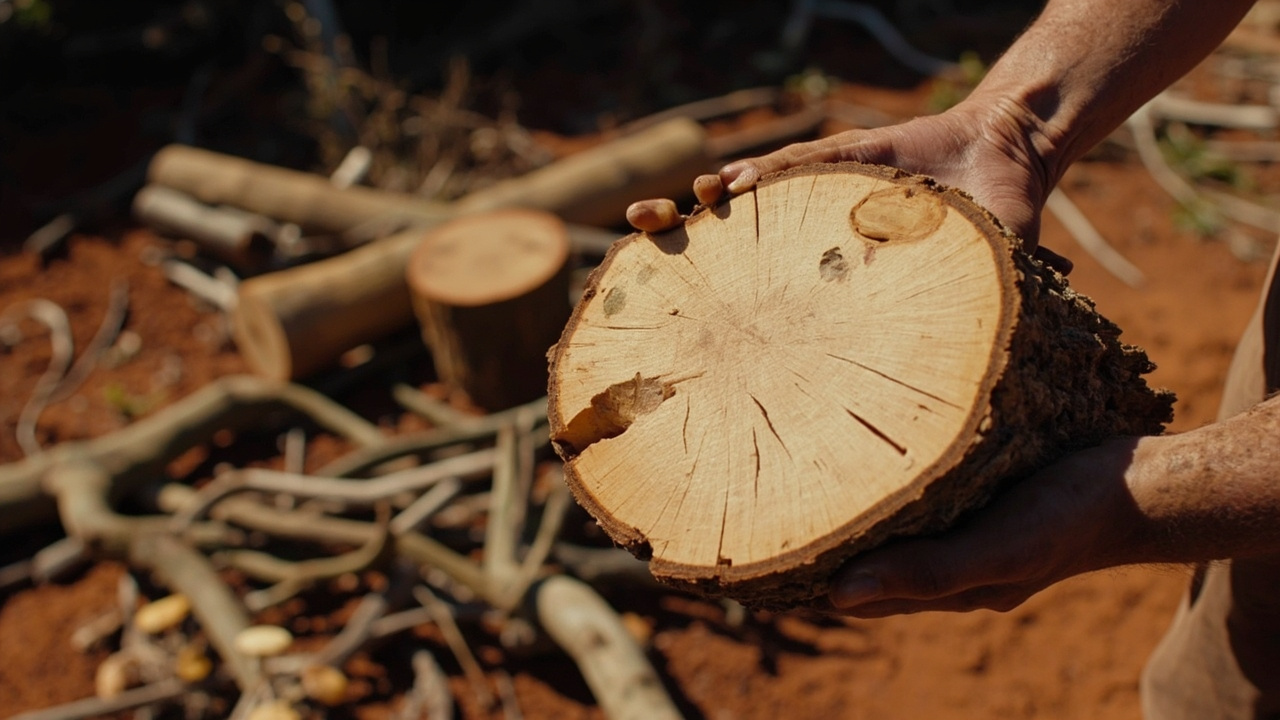
Use dead, rotting wood. Freshly cut logs? Waste of space. They'll rot too slow and suck nutrients from your garden. You want wood that's already decomposing.
Hands inspecting log decay and size for the bed.
Best: Eucalyptus (gum trees), acacia, or wattles. Common on farms and council clean-ups. Free if you're lucky.
Avoid: Pine, cedar, or treated timber. Pine rots too fast and releases acids. Treated wood = poison for your garden.
Size: Logs 15-30cm thick. Bigger = more water storage. Stack them like firewood, but deeper.
Australian Suppliers (No Bullshit Pricing):
Free: Check local council "green waste" drop-offs. Most councils dump eucalyptus logs for free. Call your local council's waste department. "Can I take the fallen logs from the park?" They'll say yes.
Cost: $5-$15 per cubic metre for firewood (e.g., Wood & More in NSW/VIC). Skip the "premium" stuff. You want cheap, dead wood.
Layering: The Exact Steps (No Fluff)
Build your bed in 3 layers. That's it. No fancy soil mixes. Just this:
Cross-section revealing the layered anatomy of a hugel mound
Bottom Layer: Logs. Stack them 30-40cm deep. Don't pack them tight. Leave gaps for water to pool.
Middle Layer: Green waste (grass clippings, veg scraps, weeds). Shovel it on top. Don't use weeds with seeds—they'll grow back. 10-15cm thick.
Top Layer: Soil + compost. 15-20cm. Mix 50/50 soil and compost. No need for fancy stuff—your local garden centre's "organic mix" is fine.
Pro Tip: If you're short on soil, use 10cm of mulch (straw or wood chips) instead. It'll break down into soil over time. Saves cash.
Planting Timing: When to Stick the Seeds
Don't plant straight away. Wait 2-4 weeks. Why? The logs need to start decomposing and releasing water. Planting too soon = soggy roots.
Best Time: Late winter to early spring (July-August in Australia). Soil is moist but not waterlogged.
What to Plant: Potatoes, beans, carrots, and leafy greens. Avoid heavy feeders like tomatoes until the bed's settled (after 6 months).
Don't Do: Planting in summer. The logs will dry out too fast. You'll lose the whole bed.
Real talk: If you plant in December, you'll be watering like a madman. Wait. It's not worth it.
Practical Tips (From the Trenches)
Size: Build beds 1.5m wide max. You can reach the middle from both sides. Bigger = harder to manage.
Watering: Once the bed is built, you'll water 80% less. The logs hold water like a sponge. Only water if it's been 3+ weeks of no rain.
Location: Put it in a spot that gets morning sun. Too much afternoon sun = dry logs. Avoid low spots where water pools.
Don't: Use logs from invasive species (e.g., blackberry, lantana). They'll regrow and wreck your garden.
When to Call a Professional
While many off-grid projects are achievable as DIY, certain situations require licensed professionals:
Electrical work beyond basic 12V DC additions — requires a licensed electrician
Structural modifications to buildings or load-bearing elements
Gas line installation or modification
Solar array installations above safe voltage thresholds
Any work that affects the structural integrity of your property
Always check local regulations and obtain necessary permits before commencing work.
The video spells out five practical things the presenter wishes they'd known before building hugelkultur beds—like choosing the right wood types and managing moisture in Aussie soils—so you can skip the common mistakes and get a working system faster.— Jenny Mills