
By Jenny Mills · rural nurse & homesteader · health, safety, law and the paperwork of going bush
“After buying a 40-hectare block in 2019, I learned that a bore yielding only two litres an hour is a legal death sentence for any off-grid plan.”
Your Comprehensive 2026 Resource for Sustainable Homesteading Across the Continent
By Jenny Mills · rural nurse & homesteader · health, safety, law and the paperwork of going bush
“After buying a 40-hectare block in 2019, I learned that a bore yielding only two litres an hour is a legal death sentence for any off-grid plan.”
Selecting the right block of ground is the single decision that shapes every system you build afterwards. Get the land wrong and you fight it for a decade; get it right and the homestead assembles itself around what the site already offers. This guide covers the specs, checklists, and warnings that matter before you sign a contract.
Off-grid systems fail in a predictable order. In my experience working rural Queensland blocks, the sequence that holds is: shelter overnight, water within days, food built up gradually, then power and income. Shelter and water are life-or-death constraints, so the land has to solve both before anything else matters.
For shelter, look for:
For water, the land should offer at least one of:
Food can be developed incrementally: a chook run, a vegie patch, a few fruit trees. Power and income are layered on once the first two are locked in.
Remote gets romanticised quickly. The question isn't whether you can reach the block once — it's whether you can reach it year-round, in a 2WD if you don't want a diesel 4x4 as a second car, and whether an ambulance can reach you when needed.
Access criteria worth scoring each property against:
Land that is genuinely isolated (over an hour from the nearest town and over two hours from a city) offers privacy and price, but raises the bar on self-sufficiency. Decide deliberately which trade-off you want.
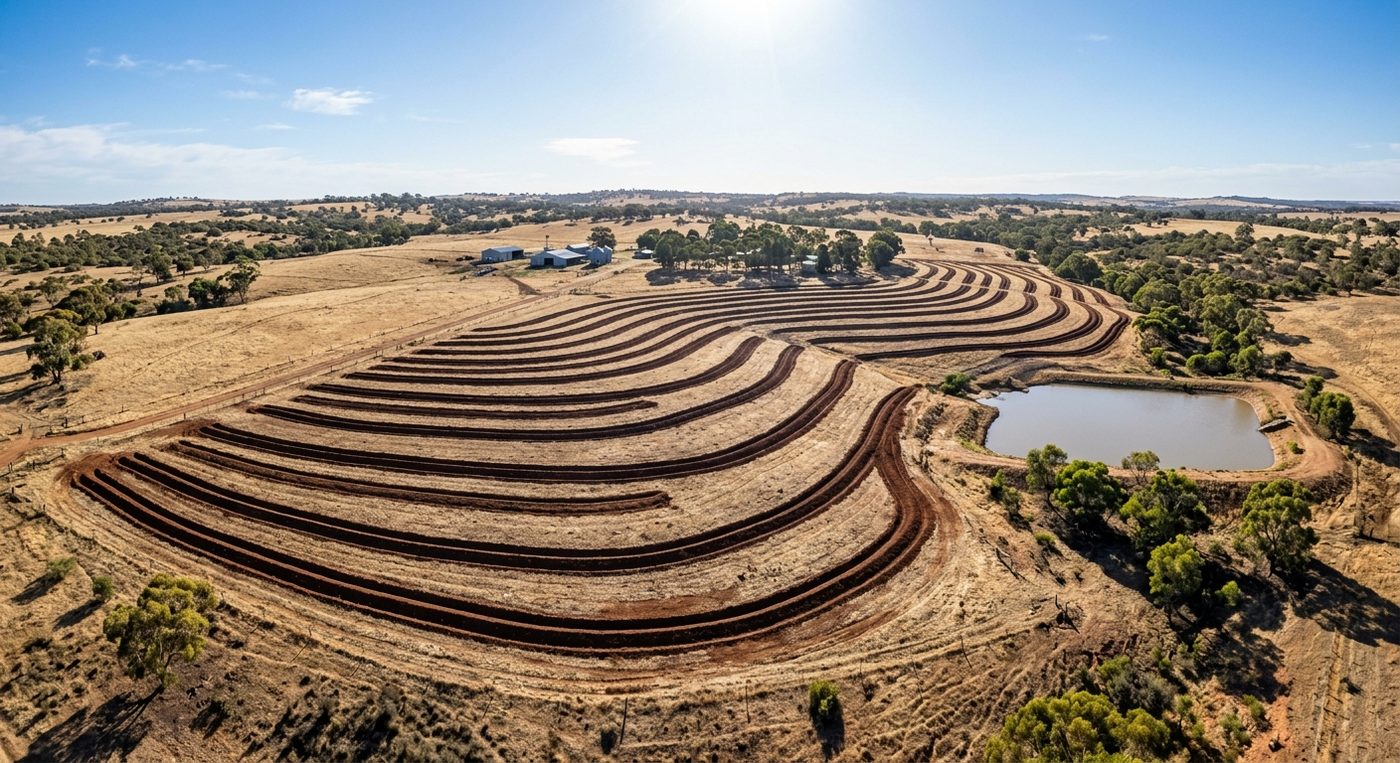
A site that faces north with an open sky horizon will outperform a "cheaper" south-facing block the moment you turn the solar array on. For off-grid power planning, natural sun traps — north-facing clearings framed by tree windbreaks — are the best starting point, because panel efficiency per square metre is highest when shading is minimised and the panels run cooler in winter.
Wind matters for both generation and structural risk:
Water security comes from layered redundancy, not a single source.
| Source | Typical yield (AU context) | Key checks before purchase |
|---|---|---|
| Rainwater from roof | ~1 L per 1 mm rain per 1 m² roof; depends on local rainfall | Annual rainfall at the block (not the nearest town's airport reading); roof size available; tank size and number |
| Dam/creek diversion | Highly variable; regulated | State water licensing — most Australian states require a licence or permit to take surface water; riparian rights are limited |
| Bore/well | Variable; requires drilling | Desktop hydrogeology review, then drill test; yields in Australian sedimentary basins vary from <1 L/s to >10 L/s |
| Trucked water | Finite, expensive | Haul distance, road access, tank capacity at the house |
A rainwater collection system is straightforward: a corrugated roof, gutters with screens to keep pests out, and storage in tanks or IBC totes sized to bridge the longest dry spell your region records. First-time systems often start small and are scaled up as roof area expands.
Checklist before relying on any natural water source:
Soil dictates what you can grow and what you can build on.
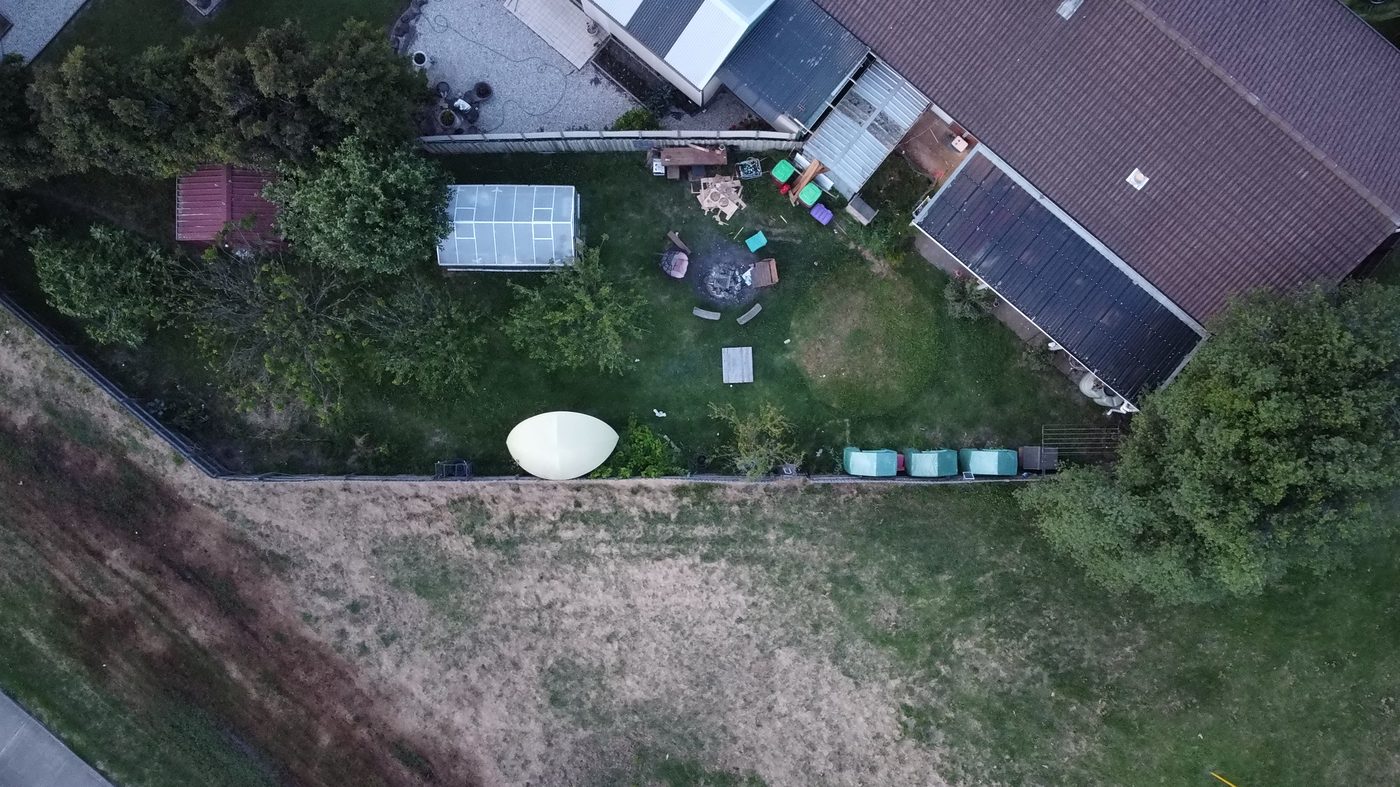
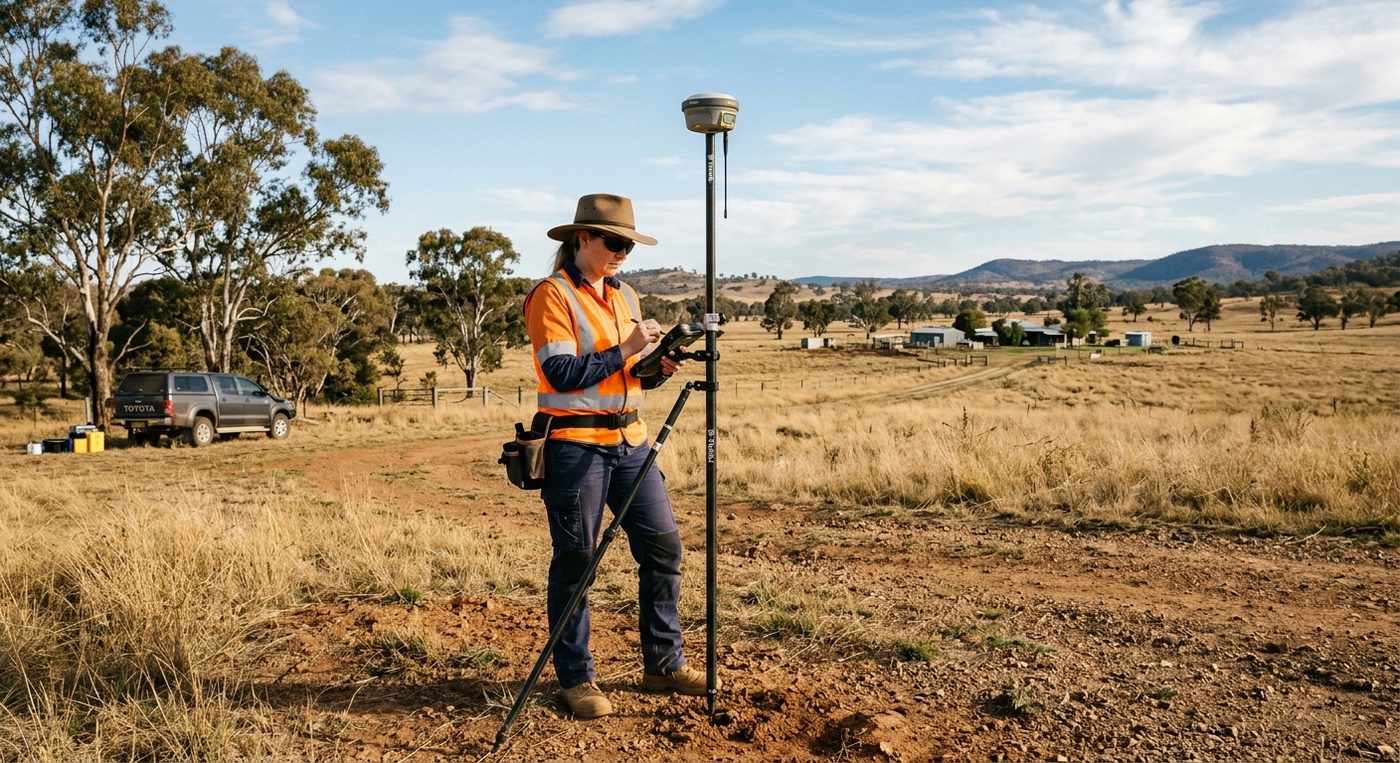
The most expensive mistakes on off-grid land happen before a single post is driven. Verify before purchase:
The boring paperwork step is the one that prevents the expensive rectification step later.
You don't design the array on day one; you size it to the load. But the land constrains the options.
A useful site rule: design solar for the worst month (winter), not the best (summer). Storage (battery bank) is then sized to bridge the longest run of poor-weather days the region experiences, not average days.
Three options, sometimes combined:
Match the system to the site's soil percolation, slope, and council rules — not to what's cheapest on the internet.
Off-grid living concentrates risk. Some of it you can manage with research and basic competence; some of it requires a licensed tradie or engineer.
Call a licensed professional when:
Other safety practices that don't require a licence but should be treated as non-negotiable:
How far from town is too far for full-time off-grid living?
There is no fixed number, but each additional 30 minutes of drive time raises the bar on self-sufficiency, food storage, fuel reserves, and emergency planning. Most full-time off-grid households I have worked with sit between 30 minutes and two hours from a service town. Beyond that, redundancy becomes the dominant design constraint.
Do I need a building permit for a tiny home or shipping container dwelling in Australia?
In most states and councils, yes — if it is used as a permanent dwelling. Cabin, tiny home, and container classifications vary by jurisdiction, and some rural zones prohibit permanent dwellings on lots below a set size. Confirm with the local council before purchase, not after delivery.
Can I live off rainwater in inland Australia?
Depends entirely on local rainfall, roof catchment area, and tank storage. In a 600 mm/yr rainfall zone, a 100 m² roof yields roughly 60,000 L/yr before losses, which is borderline for a frugal household; in a 250 mm/yr zone it is not viable without a bore or trucked water. Check actual rainfall at the block, not regional averages.
Should I buy land with a creek running through it?
Often yes, but never without checking water licensing and riparian rights. In most Australian states, taking water from a creek — even one running through your property — for anything more than basic domestic use requires a licence. Riparian vegetation is usually protected under state vegetation laws.
What is the biggest mistake first-time off-grid land buyers make?
Underestimating access and water. People fall for a cheap block that is unbuildable in wet season, or they buy beautiful grazing land with no reliable water and a 4-hour haul to the nearest bore driller. Both problems are solvable, but only after purchase — which usually means spending what you saved on the block.
How do I check for invasive plants before I buy?
Request a Vegetation Management Plan or a declared-pest search from the seller, walk the block in person (not just via satellite imagery), and cross-check with your state's weed register. Gamba grass, parthenium, and prickly acacia are the usual suspects in northern Australia; serrated tussock and African boxthorn dominate the south.