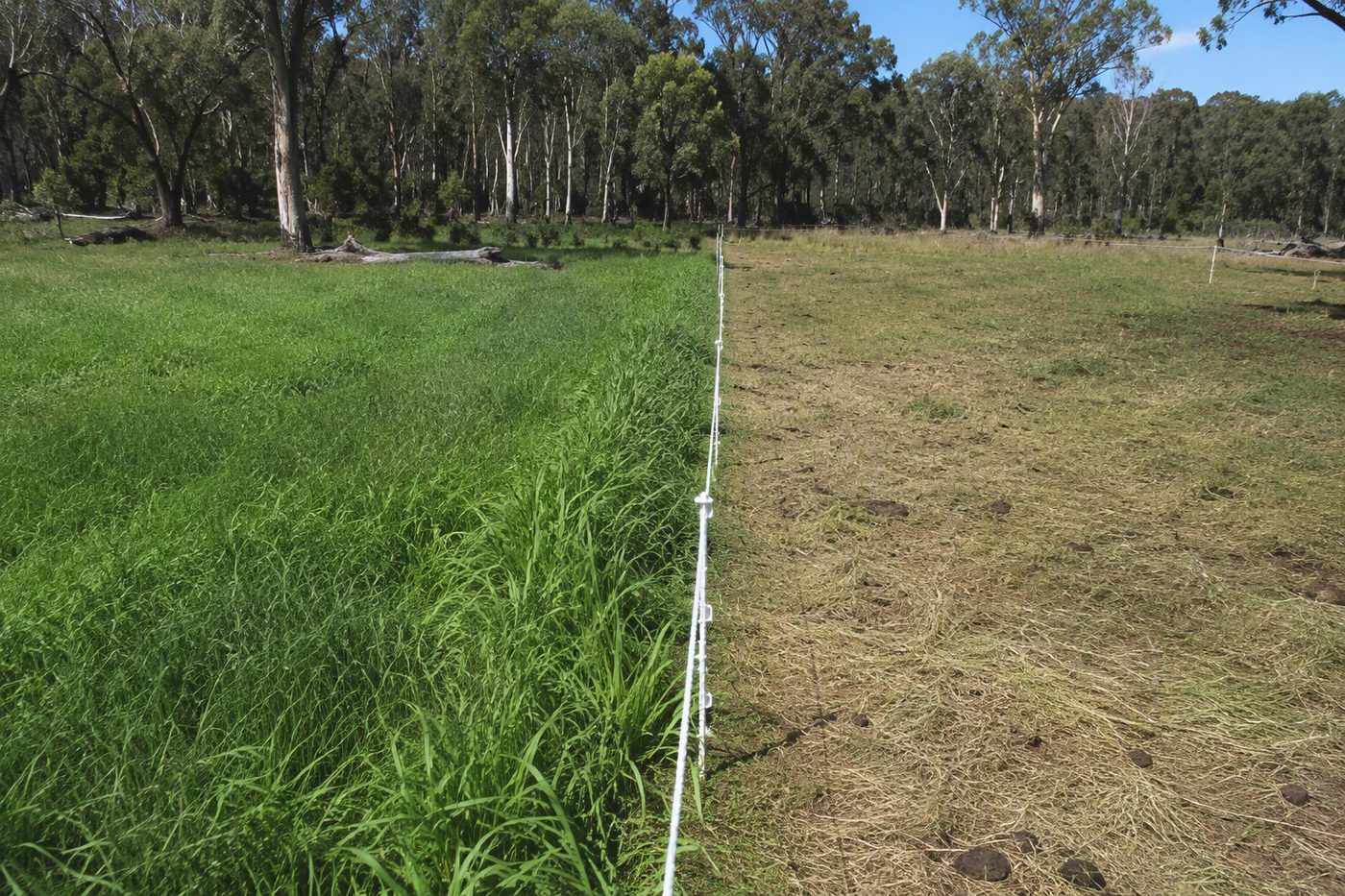
Look, if your pasture’s a muddy mess or your stock’s looking half-starved, you’re doing it wrong. Fix it now. Here’s how.
Grazing Rotation: Stop Letting Cows Eat Themselves Out of House and Home
Don’t just let stock wander free. That’s how you kill your pasture. Do rotation. Simple.
Split your paddock into at least 4 sections. Move stock every 2-3 days. Let the grass recover for 28-30 days before returning. No exceptions.
Practical tip: Use temporary electric fencing. $150 for a 100m roll from Farmers.com.au. Set it up in 10 minutes. Done.
Pasture Species: What to Plant (And What to Avoid)
Not all grasses are equal. Pick the right ones for your climate. No point planting clover in the dry north.
Top 3 Aussie Pasture Picks
Kikuyu: Tough as old boots. Handles drought, heavy grazing. $18/kg. Agri-Seed (NSW/VIC)
Buffalo Grass: Low maintenance, great for low-fertility soils. $22/kg. Farmstore (QLD)
Sub Clover: Fixes nitrogen, feeds stock. Must be mixed with grass. $25/kg. Bendigo Seeds (VIC)
Avoid:
Phalaris (toxic to sheep in wet conditions)
Annual ryegrass (dies in summer, useless for off-grid)
Anything that needs constant watering (you’re off-grid, remember?)
Soil Health: It’s Not Just Dirt, It’s Your Bottom Line
Bad soil = bad pasture = wasted money. Test it. Every year.
Get a soil test from your local ag extension office. $50-$70. They’ll tell you pH, nutrients, and what to fix. Don’t skip this. It’s cheap insurance.
Practical tip: If soil pH is below 5.5, add lime. $150-$250 per tonne. Boral (online). Apply in spring. Done.
Soil Health Checklist
Keep 30% ground cover at all times (no bare soil)
Never graze below 5cm height
Use compost or manure (not synthetic fertiliser) to build organic matter
Real Talk: What Not to Do
Don’t wait for "better times". Pasture management is daily work. If you’re not moving stock, you’re losing money. If you’re not testing soil, you’re guessing. Guessing gets you poor stock and dead pasture.
⚠️ SAFETY WARNING: Working with electrical systems, structural modifications, or gas installations carries inherent risks. If you are not confident in your abilities, always engage a licensed professional.
It shows which cover crop species work best in central and southern NSW and exactly when to sow them. You can apply those timing tips to improve your pasture's soil fertility without buying extra fertilizer.— Fiona Gallagher
When to Call a Professional
While many off-grid projects are achievable as DIY, certain situations require licensed professionals:
Electrical work beyond basic 12V DC additions — requires a licensed electrician
Structural modifications to buildings or load-bearing elements
Gas line installation or modification
Solar array installations above safe voltage thresholds
Any work that affects the structural integrity of your property
Always check local regulations and obtain necessary permits before commencing work.