
By Sarah Chen · environmental engineer · water, waste and everything that flows downhill
“After my third failed inspection in 2019, I learned that a septic tank leaking into the creek is a $12,000 lesson in due diligence.”
Australian off-grid septic compliance depends on the requirements set by state regulators and enforced by local councils. Cracked tanks and raw sewage spills can create remediation costs, fines and property-value problems. Confirm current rules with the relevant authority, maintain the system and address leaks or overflows promptly before small issues become compliance failures.
Non-compliant septic systems hit you where it hurts: remediation costs, statutory fines, and a property value that drops the moment the paperwork catches up. State regulators like the NSW EPA and Vic EPA set the rules; local councils enforce them on the ground, and they don't mess about with off-grid properties. I've watched a regional Victorian council hand a property owner a five-thousand-dollar fine after a cracked tank leaked raw sewage into a nearby creek. The insurer voided the home policy on the spot. The creek recovered eventually; the owner's bank balance and resale prospects didn't.
By Sarah Chen · environmental engineer · water, waste and everything that flows downhill
“After my third failed inspection in 2019, I learned that a septic tank leaking into the creek is a $12,000 lesson in due diligence.”
If your property runs on a septic tank or Home Sewage Treatment Plant (HSTP), the rules have tightened considerably over the past few years. Councils across Regional NSW and Southeast Queensland have moved from what one industry source calls the "education phase" into an "enforcement phase" on wastewater compliance, with NSW councils actively inspecting and issuing notices. In my experience, the owners who cop fines are the ones who assumed their old system was "grandfathered" — it usually isn't.
This guide lays out what compliance actually requires, what triggers fines, and when to bring in a licensed professional.
An Approval to Operate is the permit your local council issues for your on-site sewage management system (often abbreviated to OSSM). Think of it as a licence: it confirms your septic tank or HSTP is structurally sound (no leaks or cracks), functioning correctly (effluent meets safety standards), and environmentally safe (no pollution of groundwater or waterways).
State legislation requires every OSSM system to hold a current Approval to Operate. The permit is issued on a cycle of one to five years, depending on the property's risk rating — low, medium, or high.
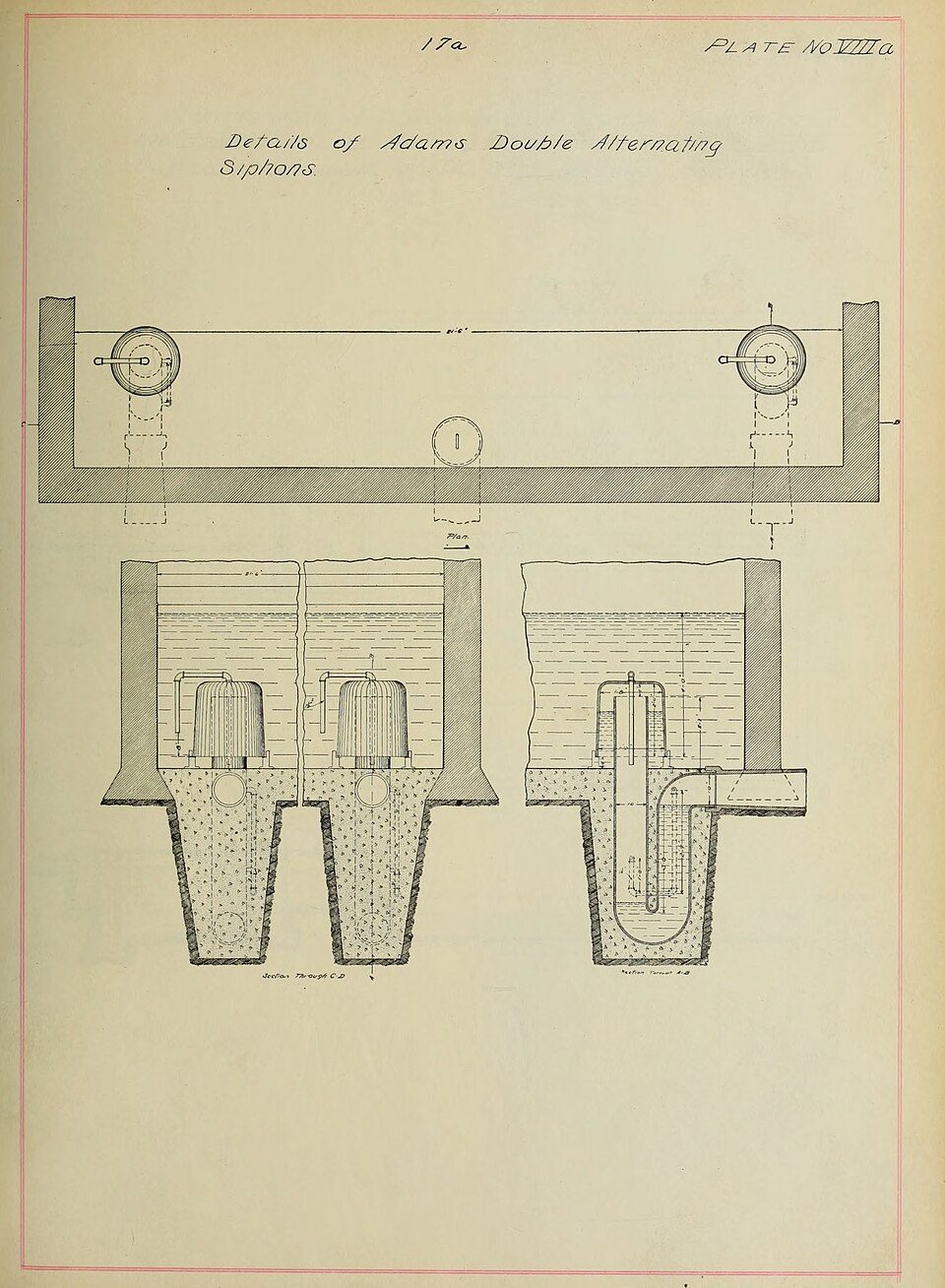
Three forces are converging:
1. Population density. More dwellings per catchment area means more cumulative load on waterways.
2. Catchment protection. The NSW Environment Protection Authority has pressured councils to act on failing septic systems that leach nitrates and pathogens into groundwater.
3. Digitised records. Councils can now cross-reference property files against rates data, so unpermitted systems show up faster.
Councils currently enforcing actively in NSW include Blue Mountains City Council, Wingecarribee Shire Council, and Central Coast Council. Many NSW councils operate on 5-year strategic plans for OSSM, with milestones set for 2025 and 2026.
In Queensland, the same trend is visible in Southeast Queensland council areas, where approval renewals and inspections are being tightened.
If you're installing a new system or replacing an old one in NSW, the process is:
1. Approval to Install — typically a Section 68 approval under the Local Government Act 1993. Most NSW councils require a site and soil evaluation (sometimes called a Land Capability Assessment) by a qualified consultant before they'll issue this.
2. Approval to Operate — issued after installation is complete and inspected.
Installing a septic system without council approval can lead to fines or legal action. The same applies to operating an existing system without a current Approval to Operate.
| Risk Rating | Typical Property Profile | Permit Cycle |
|---|---|---|
| Low | Modern system, AWTS, good soil, distance from waterways | 5 years |
| Medium | Conventional trench system, moderate age | 2–3 years |
| High | Older tanks near waterways or bores, visible issues | 1 year (12 months) |
High-risk septic systems — older tanks close to waterways or bores — are being inspected as often as every 12 months, compared to roughly once every 10 years previously. That's a significant shift in compliance burden.
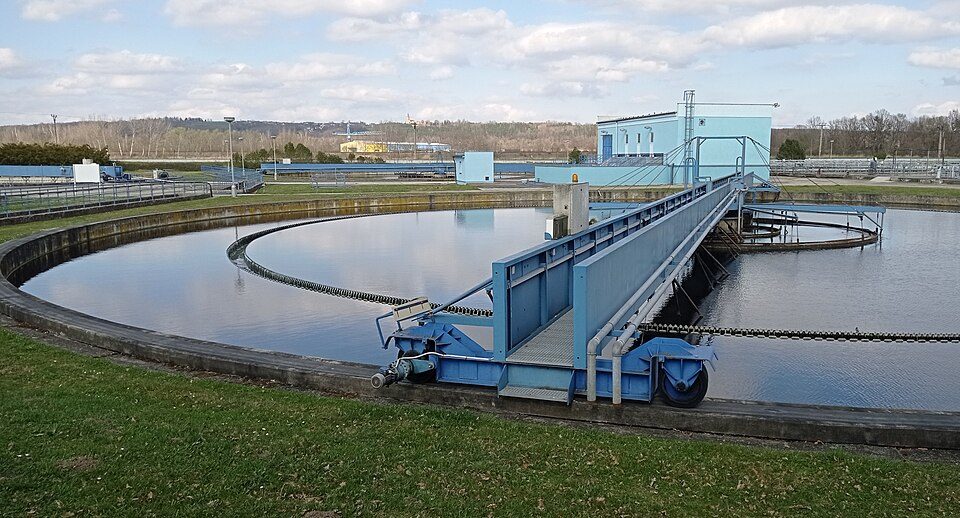
From what shows up in compliance inspections, the recurring problems are:
The stated goal for many NSW councils is to transition rural properties from pump-out systems and absorption trenches to Aerated Wastewater Treatment Systems (AWTS). AWTS produce higher-quality effluent and can be sited closer to sensitive areas, which is why councils prefer them. If your current system is at end-of-life, expect a council officer to push you toward an AWTS or equivalent during your next renewal.
Retain the following for at least seven years:
Records of maintenance and inspections should be retained for a significant period (often 7+ years) for liability and compliance purposes — seven years is the practical benchmark most plumbers and environmental consultants will quote. If you sell the property, these records form part of the due-diligence pack.
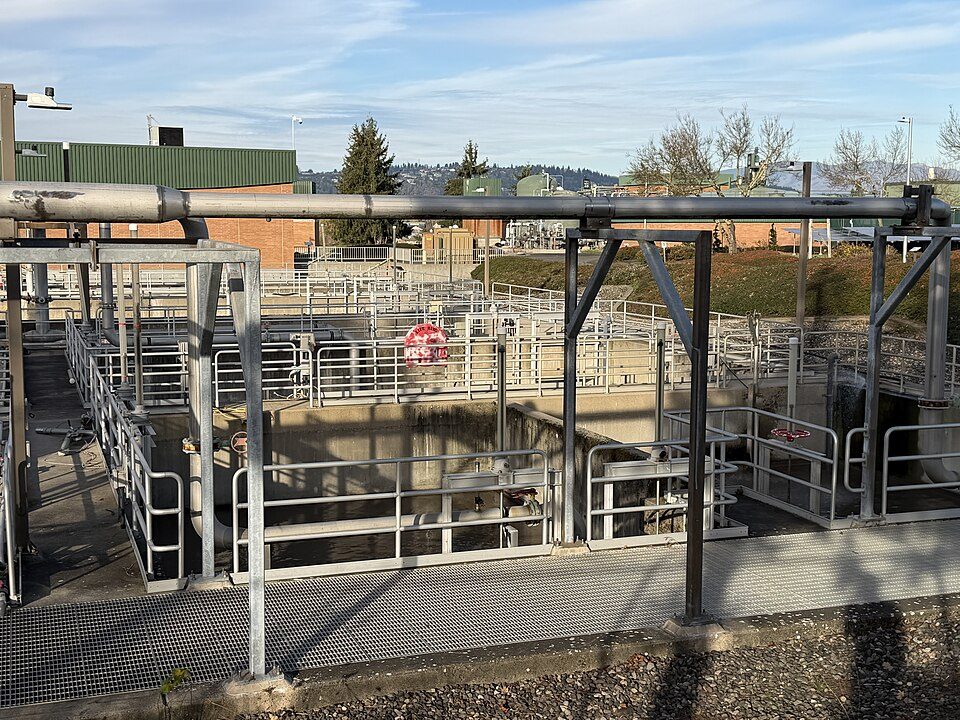
Bring in a licensed plumber, drainer, or accredited OSSM inspector (depending on your state) if you notice any of the following:
A licensed professional can also advise whether your system needs an upgrade to meet current Land Capability standards, which is often a condition of permit renewal on older properties.
How much are the fines if I'm non-compliant?
The facts sheet and sources don't itemise exact penalty amounts by council, so don't quote a number. What is consistent across sources is that fines for operating without a current Approval to Operate or for failing to rectify a defective system can run into the thousands of dollars, and repeat offences escalate. NSW public health and local government legislation both carry penalty provisions.
How do I find out if my property has a current Approval to Operate?
Contact your local council's environmental health or OSSM officer. With digitised records, they can usually tell you within a day whether a permit exists, when it expires, and what conditions are attached.
My system is decades old and "was approved once." Does it still need a current permit?
Yes. Permits are issued on a cycle and must be renewed. Operating an OSSM system without a current approval is a breach of state legislation regardless of the system's age.
What's the difference between a septic tank and an AWTS?
A septic tank is a passive settling tank; effluent flows into absorption trenches for further treatment in the soil. An Aerated Wastewater Treatment System actively pumps air through the tank to break down waste, producing higher-quality effluent that can usually be irrigated within a smaller footprint. Councils increasingly prefer AWTS at renewal time.
Does adding solar to my pump exempt me from compliance?
No. Solar pumps do not exempt a system from standard council and EPA compliance requirements. The Approval to Operate conditions still apply.
What about greywater from the laundry — can I just run it to a garden trench?
Not without approval. Greywater discharge into stormwater systems is generally prohibited in Australia, and reuse for irrigation usually requires a specific council approval or a greywater diversion device installed by a licensed plumber.
Worth a watch: Septic System Installation - BEGINNERS Guide to Gravity Septic Tank & Leach Field · The Excellent Laborer