
By Dave Miller · off-grid sparky · 22 years wiring solar, batteries and sheds in central QLD
“After a 50A fuse blew on my first Sungold install, I learned that the 6.5kW unit demands proper DC cabling, not just plugging in.”
By Dave Miller · off-grid sparky · 22 years wiring solar, batteries and sheds in central QLD
“After a 50A fuse blew on my first Sungold install, I learned that the 6.5kW unit demands proper DC cabling, not just plugging in.”
This guide walks through installing a SungoldPower 6.5kW inverter in a 48V off-grid solar setup. The maths below are kept generic — SungoldPower publishes a full manual library for its inverter and battery lines, and you should download the model-specific PDF before you touch a cable.
SungoldPower hosts a central user manual page that covers the major product families you might pair a 6.5kW inverter with:
Because the source page doesn't list individual spec sheets for each inverter (no efficiency curves, MPPT ranges, max PV input, or charging voltages), the rest of this guide sticks to installation principles, sizing maths, and safety — not model-specific figures.
| Requirement | Detail |
|---|---|
| System voltage | 48V DC battery bank |
| Inverter rating | 6.5kW continuous (check your exact model's surge rating in its manual) |
| AC output | 230V / 50Hz (Australian default) |
| PV input | DC-rated cabling, string fuses, DC isolator |
| Battery chemistry | LiFePO4 (51.2V nominal bank) |
| Battery capacity example | 150Ah × 51.2V = 7.68kWh stored/nominal; ≈6.9kWh usable at 90% DoD |
| Documentation | Model-specific manual from SungoldPower's manual library |
| Tools | Torque wrench, crimper, multimeter, label printer |
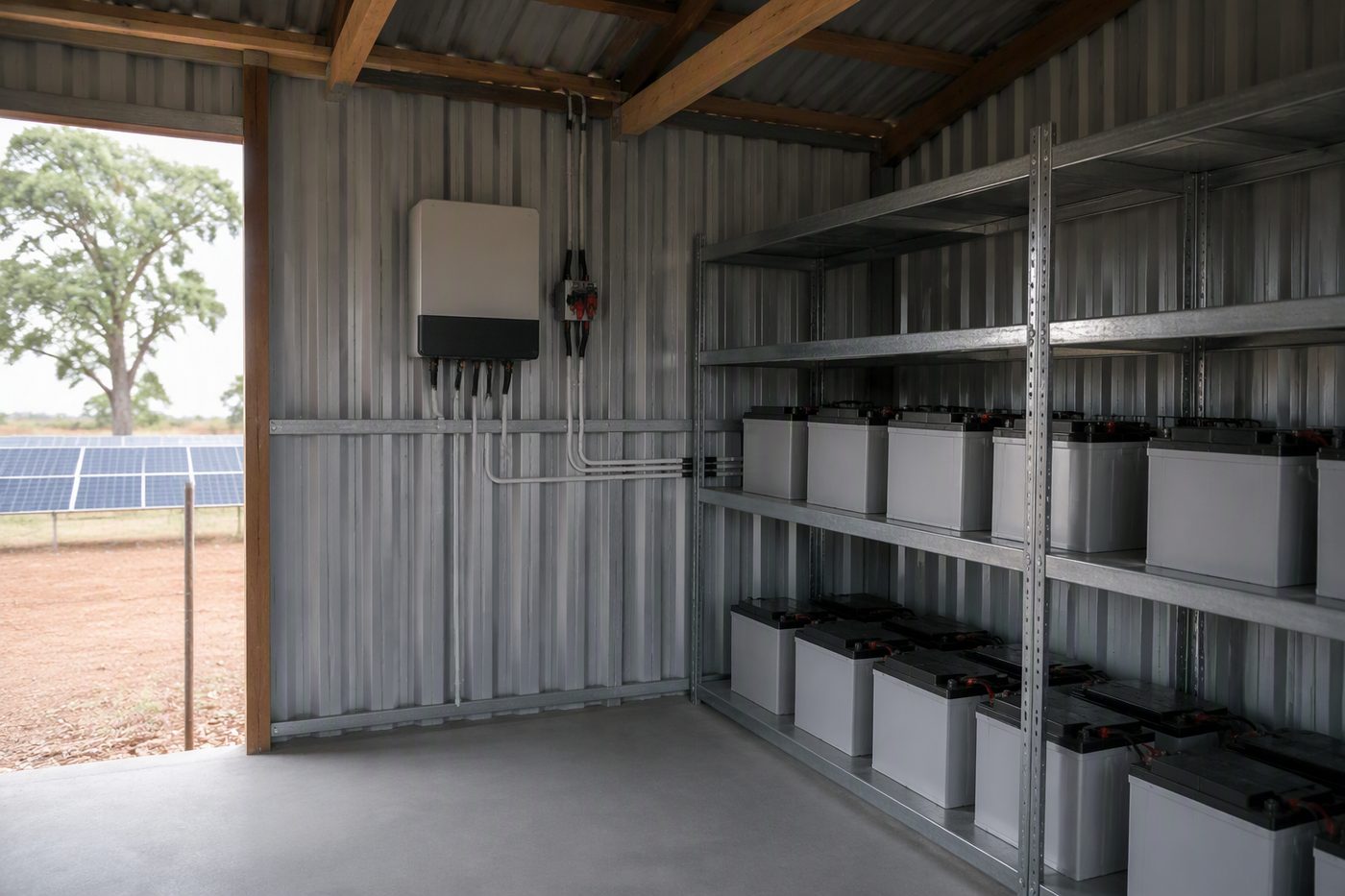
A 6.5kW inverter on a 48V bank pulls serious DC current at full load:
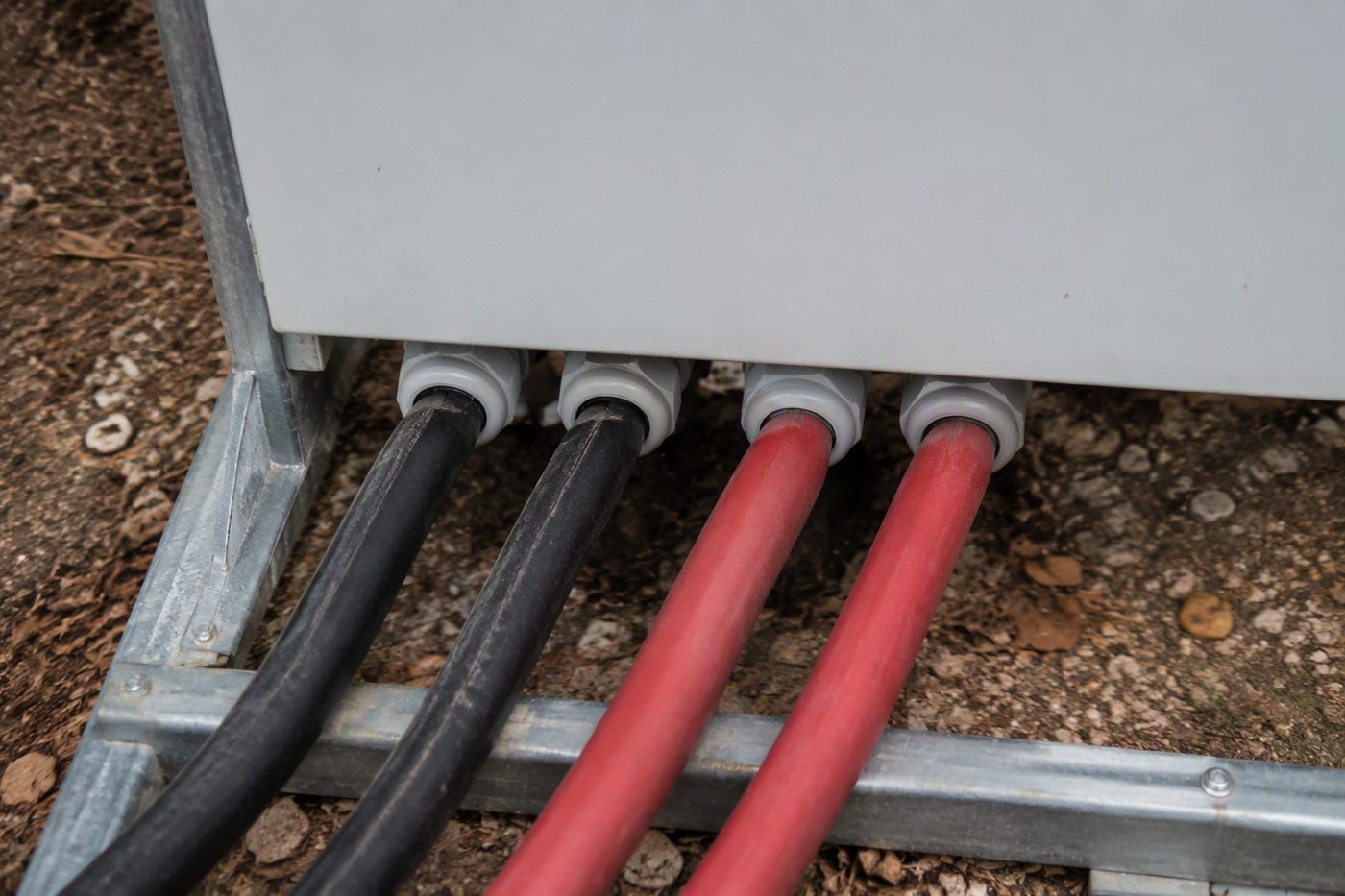
Actual current can rise further as battery voltage falls and conversion losses are included. That's why cable sizing, lugs, and torque matter. A loose or underrated termination at this current level will heat up fast and become an ignition source inside a battery enclosure.
For battery sizing, a 150Ah LiFePO4 bank at 51.2V nominal gives roughly 7.68kWh of stored energy. Through a 90% depth-of-discharge window that's about 6.9kWh usable. Run a 6.5kW load flat-out from a 7kWh bank and you're empty in roughly an hour — which is why the inverter is rated for power, not for running your whole house on a single battery cycle.
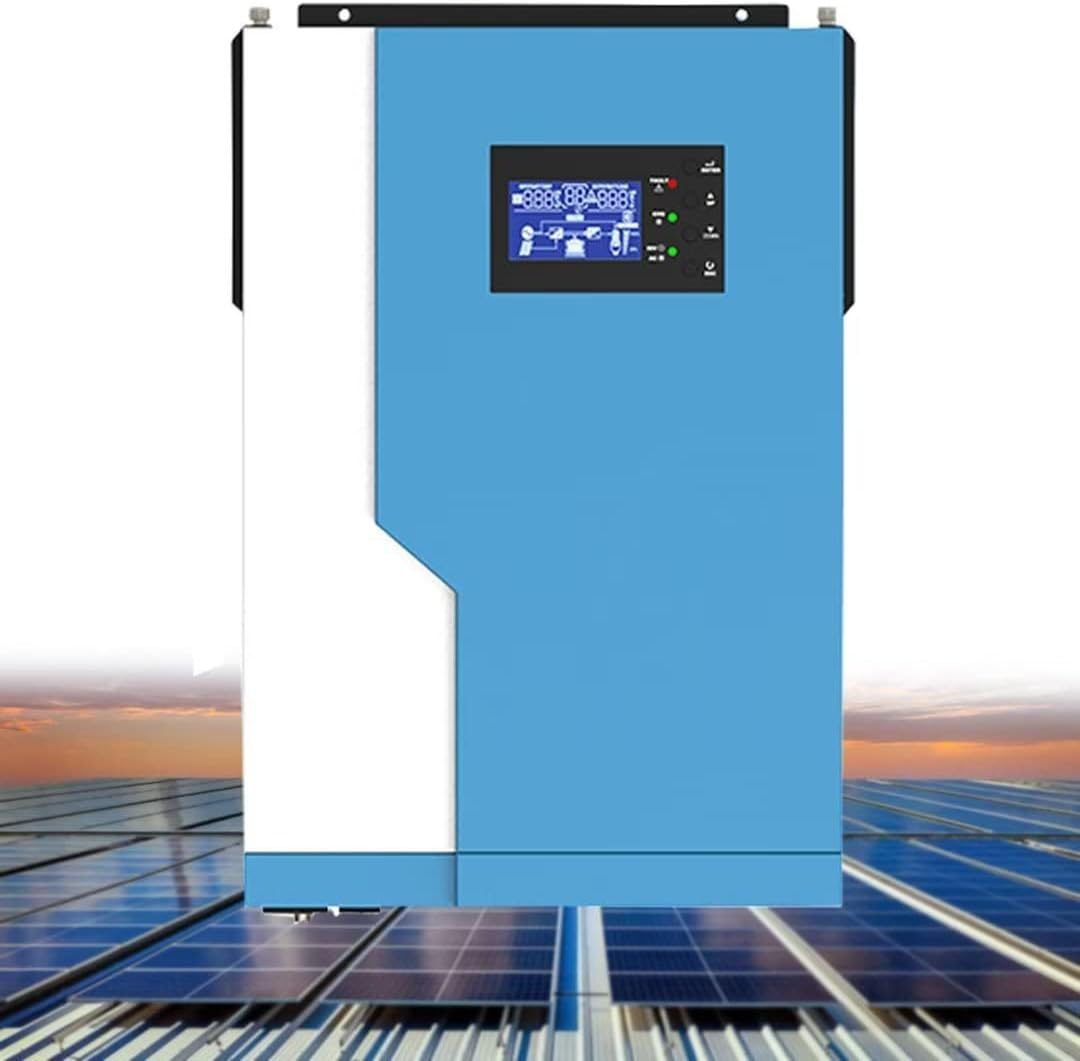
Every SungoldPower inverter line has a dedicated PDF on the manufacturer's manual page. Confirm:
Working around a 48V battery bank delivering 135–150A or more at full load is not the place to wing it.
In Australia, you must use a licensed electrician (and in Queensland, a licensed electrical contractor) for the AC side of any grid-connected, grid-interconnectable, or 230V fixed wiring work. Concretely, call a licensed sparky when:
For the DC side, do not assume owner-installer work is permitted. Queensland restricts owner-performed electrical work, including solar photovoltaic and battery installations; some work may only be carried out by appropriately licensed persons. Other Australian states and territories impose their own restrictions on prescribed electrical work, battery systems, and work near a service or fixed wiring. Arrange licensed installation and sign-off for any battery circuit operating above 50V DC, as required by AS/NZS 5139, and confirm the current local requirements with the relevant safety regulator or your electrical contractor.
Q: Where do I download the SungoldPower manual for my inverter?
A: From the SungoldPower user manual page at sungoldpower.com/pages/user-manual. Manuals are listed by product line (LFP, LF-PV, BluePower, SPH, LFPV).
Q: What battery size pairs with a 6.5kW inverter?
A: A 6.5kW load will flatten a 7–8kWh bank in roughly an hour. For whole-home backup you typically want 15–30kWh of LiFePO4 storage. SungoldPower publishes manuals for 48V 100Ah, 51.2V 200Ah (SG48200T PowerMax), and 51.2V 314Ah outdoor batteries — the manual page lists these as separate SKUs, not bundled with inverters.
Q: Can I install this myself in Queensland?
A: Do not rely on owner-installer assumptions. Queensland restricts owner-performed electrical work, including solar photovoltaic and battery installations, and licensing requirements depend on the work and system voltage. Use appropriately licensed electrical contractors, and confirm current requirements with WorkSafe Queensland. A 51.2V battery bank exceeds 50V DC, so arrange licensed sign-off under AS/NZS 5139 requirements.
Q: What wire size for a 48V battery circuit at a 6.5kW load?
A: At a realistic low-end battery voltage of about 44V, a 6.5kW load draws roughly 148A before accounting for losses. Use 70mm² copper as the floor for a short run, with 95mm² or larger for longer runs where AS/NZS 3008 calculations require it. Final sizing must use the actual one-way route, expected low working voltage, continuous current, installation method, and applicable derating factors.
Q: How do I contact SungoldPower for support from Australia?
A: SungoldPower's listed support contact is US-based: phone 833-761-6080, email support@sungoldpower.com, or post at 72 Fairbanks Suite 100, Irvine, CA 92618. Hours are 08:00–17:00 PST, Monday to Friday. From Queensland that translates to roughly 02:00–11:00 AEST the next day, so factor the 17–18 hour time-zone gap into any support call and lean on email for anything non-urgent.
Q: Does SungoldPower publish PV input limits on the manual index page?
A: No. The user manual page only lists which manuals exist; specific MPPT ranges, max PV input voltage, and efficiency curves are inside the individual inverter PDFs. Download yours before designing the array.
Worth a watch: Installing and Testing Sungold Power's 6500 Watt Inverter - SPH6548P · Country View Solar - DIY Projects & Reviews
The guide walks you through the install step by step, but I'd still want a licensed sparky on the job. I popped a 50A fuse on my very first install because the DC cabling wasn't up to scratch, and I've been doing this for over two decades. Plus, in Australia the work needs to be signed off by a licensed tradie anyway, so DIY isn't really on the table if you want it done legally.
Honestly, it depends what you're running. The guide has a whole section on sizing it up, and for a modest Aussie household running lights, a fridge and the basics, you can get by. You've just got to be smart about what you switch on at the same time, because the inverter won't run everything at once.
In my install I wired up nearly 7kW of panels to the unit, which the guide covers in detail. Oversizing the array a touch is pretty standard practice so you're still producing something on overcast days. Just don't go overboard or you'll waste generation through clipping.
Yeah, it will, but there's a dedicated section on Aussie-specific considerations you should read first. The main things to factor in are our heat, our wiring standards, and not skimping on the DC cabling. I learned that last one the hard way when a 50A fuse let go on my first go.