By Mick O'Brien· carpenter & builder · sheds-to-homes, cabins and things that stay up in a storm
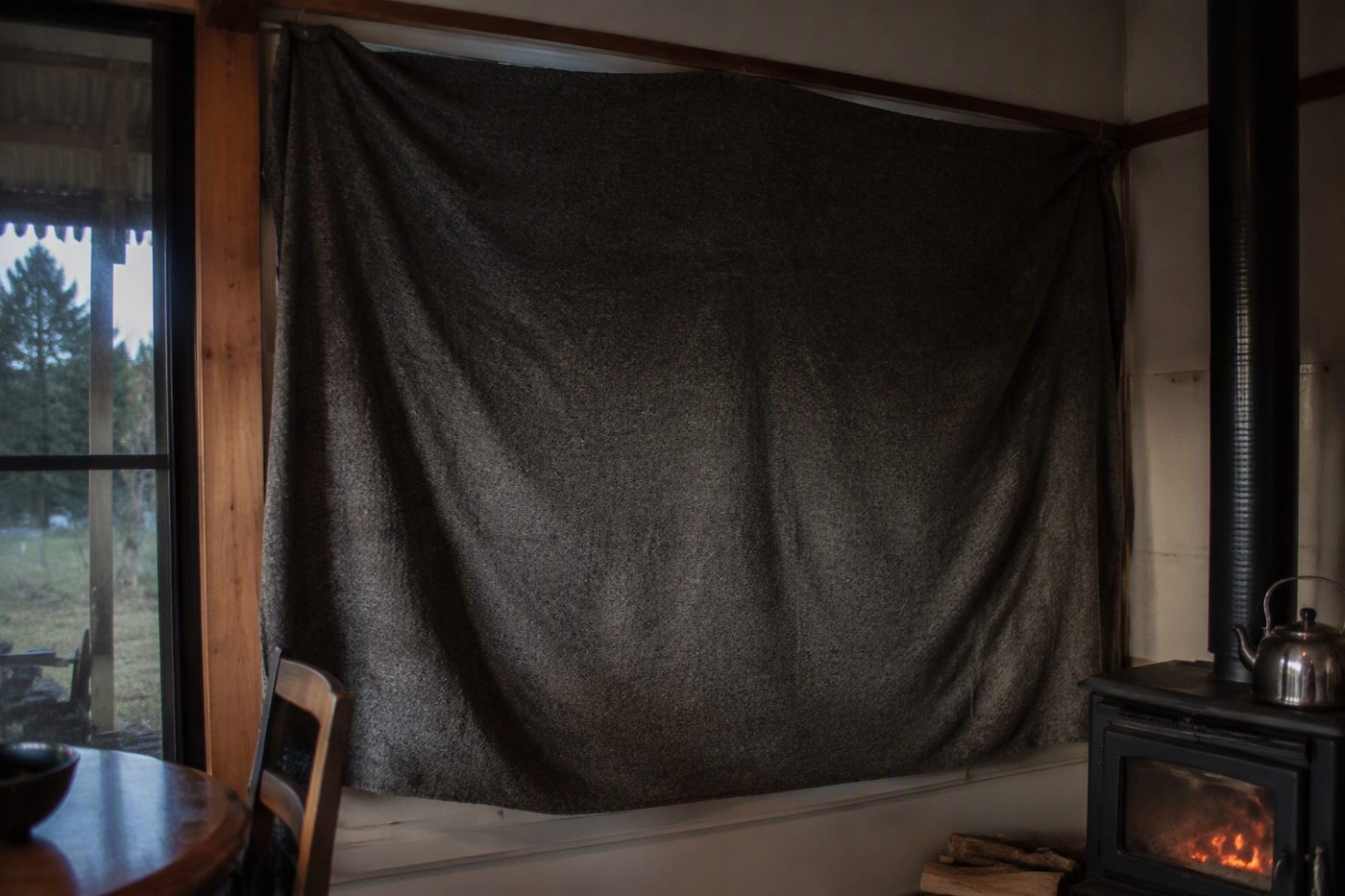
“I lost a winter night's worth of heat through my shed's single-glazed window, costing me three days of extra firewood before I finally fitted heavy thermal curtains.”
Look, if you're off-grid in Australia, windows are your biggest energy leak. Thermal curtains aren't a luxury—they're basic survival. Here's the raw deal.
Cross-section of a layered thermal curtain showing air gaps and the four heat-loss paths to seal.
R-value: What It Actually Means (No Jargon)
Forget wall insulation R-values. Thermal curtains don't have a standard R-value like fibro. What matters is how much they reduce heat transfer. Good ones add R0.5–R1.0. That's massive for windows—your biggest weak point. Cheap curtains ($20 from Kmart)? Worthless. They'll let heat in/out like a sieve. Proper thermal curtains (with aluminium-backed lining) cut heat loss by 10-20%. In winter, that's less wood or solar power needed. In summer, less fridge running. Simple.
Installation: Do It Right or Don't Bother
Most people mess this up. Here's the fix:
Measure your window frame, not the glass. Curtains must hang 15cm beyond the frame on both sides.
Mount the rod ABOVE the window frame (not inside). This blocks heat from the wall around the window.
Use a rod wider than the window. Curtains should overlap by 50% on each side. No gaps.
Install the curtain liner FIRST. Then hang your fabric. Don't skip the liner—it's the whole point.
If you just hang curtains on the frame? You're wasting money. Do it properly or skip it.
Automation: Skip It. Seriously.
Automated curtains (via smart home systems) are a waste of off-grid power. They need constant solar input to run. If your system is small, you'll drain your batteries faster than they save you. Manual is cheaper, more reliable, and needs zero power. Only get automation if you've got a massive solar setup and want to show off. For 99% of off-grid Aussies? Manual. Done.
Practical Tip: Make your own. Buy thermal lining fabric ($15–$25 from Bunnings) and sew it into curtains. Costs $20–$50 for a pair. Better than $80 store-bought. No sewing machine? Use fabric glue. Works fine.
Australian Suppliers & Pricing (No BS)
Bunnings: "Thermal Liner Fabric" (aluminium-backed). $18–$25 per roll (covers 1–2 windows). Buy it. It's the only reliable cheap option. Link
Amazon Australia: "Lifted Thermal Curtains" (double-layer). $55–$75 for a pair. Check reviews—avoid "thermal" curtains without aluminium lining. Link
Local Curtain Shops: Custom-made. $120–$200 for a pair. Only worth it if you've got a big window and want it perfect. Otherwise, skip.
Bottom line: Thermal curtains are the cheapest, easiest off-grid win. Spend $20, do it right, and you'll save more power than you think. Don't overcomplicate it. Get the liner from Bunnings, hang it properly, and move on. Your battery bank will thank you.
⚠️ SAFETY WARNING: Working with electrical systems, structural modifications, or gas installations carries inherent risks. If you are not confident in your abilities, always engage a licensed professional.
It lays out the actual heat‑loss percentages for curtains versus blinds and double‑glazing, so you can see exactly where a cheap DIY curtain fits into the picture.— Mick O'Brien
When to Call a Professional
While many off-grid projects are achievable as DIY, certain situations require licensed professionals:
Electrical work beyond basic 12V DC additions — requires a licensed electrician
Structural modifications to buildings or load-bearing elements
Gas line installation or modification
Solar array installations above safe voltage thresholds
Any work that affects the structural integrity of your property
Always check local regulations and obtain necessary permits before commencing work.