Guide · Water
Complete Off-Grid Water Guide 2026
A comprehensive guide to harvesting, filtering, and storing water for self-sufficient living.
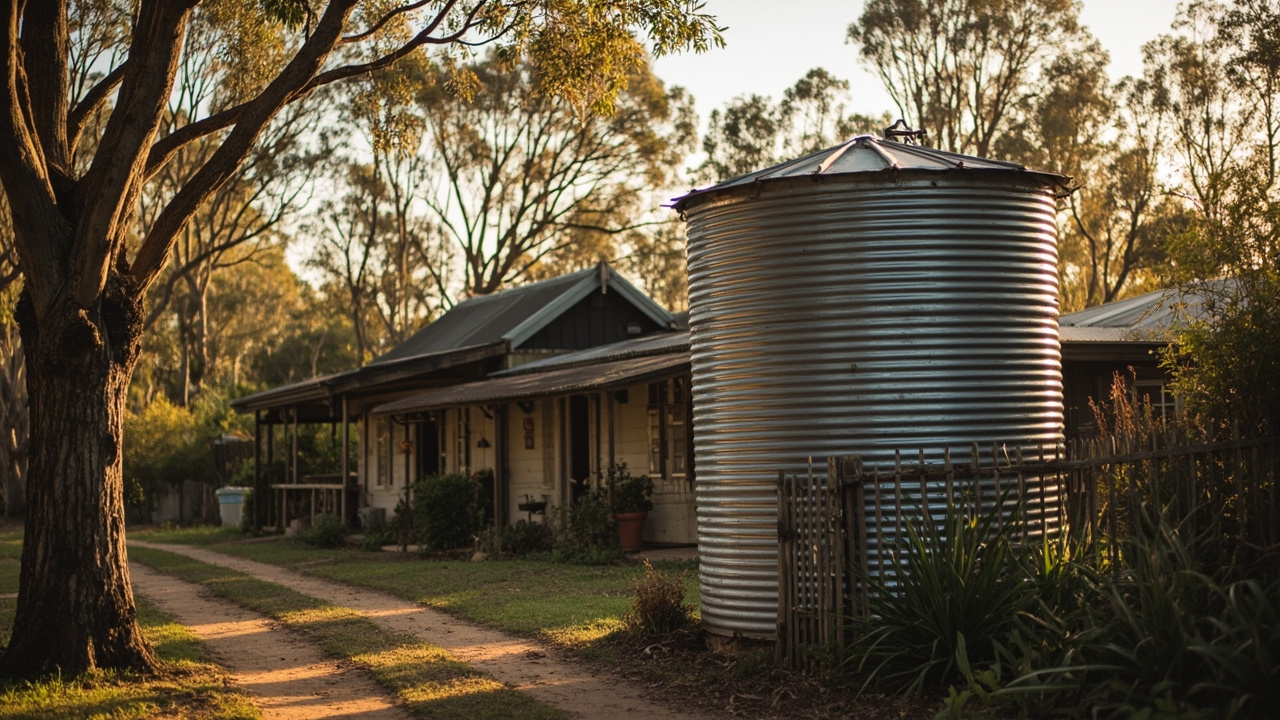
Why Water Independence?
Water is life. Securing a reliable, clean water source is arguably the most critical aspect of off-grid living. Whether it's rainwater harvesting or well water, having your own supply ensures resilience.
Pros
- No monthly water bills
- Control over water quality
- Resilience against grid failures
- Sustainable resource usage
Cons
- Requires maintenance & testing
- Finite supply (dependent on rain/aquifer)
- Filtration systems can be costly
- Storage space required
Water Systems
Greywater Systems
Reuse water from sinks and showers for irrigation. This extends your water supply and reduces waste, but requires careful soap selection and system design.
DIY Bore Drilling
Accessing groundwater manually is possible in soft soils (clay, sand, silt) using low-cost techniques like augering or sludging.
- Hand Auger: Rotating a cutting head. Good for shallow depths (0-15m).
- Sludging: Using water pressure and a lever to flush out soil. Can reach 30m+.
Mobile & Structure Catchment Methods
Specific techniques for harvesting water from vehicles and alternative structures.
Cars, Vans & Buses (90% Eff.)
Surface: Painted Metal Roof
- Magnetic Gutters: Attach flexible magnetic strips to roof edges to channel water.
- Park on Slope: Position vehicle so water runs to a single corner for easier collection.
- Awning Funnels: Use tarp awnings with a grommet drain point into a tank.
Boats (85% Eff.)
Surface: Fiberglass Deck / Gelcoat
- Deck Scuppers: Route deck drains directly into internal freshwater tanks (with valve).
- Canvas Catchers: Use bimini tops or spray dodgers as large funnels.
- Salt Flush: Always let the first few minutes of rain wash away salt spray (first flush).
Aircraft (95% Eff.)
Surface: Aluminum Fuselage
- Wing Drips: Place buckets or funnels at the trailing edge low points of wings.
- Fuselage Runoff: Use temporary guttering along door frames or drip rails.
- Clean Surface: Aviation aluminum is very clean, but watch for de-icing fluids/fuel.
Trains (90% Eff.)
Surface: Steel Roof
- Existing Gutters: Many cars have built-in gutters; tap into downspouts.
- Curved Roofs: Water flows fast; use wide catch basins or routed piping.
- Industrial Contaminants: High risk of brake dust/soot; heavy filtration required.
Shipping Containers (90% Eff.)
Surface: Corrugated Steel
- Welded Angle Iron: Weld a steel angle along the long edge to act as a sturdy gutter.
- Corner Castings: Water naturally pools at corners; pipe directly from corner casting holes.
- Roof Paint: Ensure roof is painted with non-toxic, potable-safe paint (epoxy).
Tents & Yurts (60% Eff.)
Surface: Canvas / Synthetic Fabric
- Tension Points: Use guy lines to create a low point in the fly, place bucket underneath.
- Grommet Adapters: Install a specialized bulkhead fitting in the fabric for hose attachment.
- Fabric Absorption: Canvas absorbs water initially; synthetic flies are more efficient.
Tanks & Silos (95% Eff.)
Surface: Steel / Plastic
- Direct Capture: The tank surface itself is a catchment area.
- Collar Gutters: Install a gutter around the base or mid-section if domed.
- Cleanliness: Very high efficiency due to smooth, vertical/curved surfaces.
Filtration Method Comparison
| Method | Pros | Cons | Best For |
|---|---|---|---|
| Reverse Osmosis (RO) | Removes 99.9% of everything (bacteria, viruses, heavy metals, salt). | Requires pressure (pump), wastes water (brine), removes minerals. | Whole-house purification, drinking water. |
| UV Sterilization | Instantly kills biologicals. Low power. No waste water. | Does not remove sediment or chemicals. Bulb needs annual replacement. | Final stage sanitation (after filters). |
| Gravity Filter (Ceramic/Carbon) | No electricity needed. Portable. Removes bacteria/protozoa. | Slow flow rate. Manual refilling. Doesn't remove viruses (usually). | Countertop use, emergency backup. |
Recommended Water Gear
UV Sterilizers
Low-power 12V units perfect for solar setups. Ensure water is safe from viruses.
RO Systems
Complete purification for pristine drinking water. Requires a pressure pump.
Solar Pumps
Efficient 12V/24V submersible pumps for wells and rainwater transfer.
Sizing Your Storage
A general rule of thumb for off-grid homes is to have at least 3 months of water storage capacity to survive dry spells. Average usage is 50-100 gallons per day for a conservative household.
Setup Steps
- Calculate Demand: Audit your water usage.
- Catchment Area: Measure your roof footprint. (1 inch of rain on 1,000 sq ft roof = ~600 gallons).
- Storage: Install cisterns or tanks (above or below ground).
- Pumping: Choose a 12V or 24V DC pump for off-grid efficiency.
- Filtration: Install a multi-stage filtration system before the tap.