By Dave Miller· off-grid sparky · 22 years wiring solar, batteries and sheds in central QLD
“After blowing a $400 inverter trying to charge a lead-acid bank in a 45°C shed, I learned that a 50mm air gap is the only thing keeping my vault from becoming an oven.”
Battery Vault Construction: Get It Right or Get Burnt
Look, if you're off-grid in Australia and thinking "I'll just chuck the batteries in a shed", you're already in the danger zone. Battery vaults aren't optional. They're the difference between a quiet night and a house fire. We'll cut the bullshit and cover the essentials.
Look, if you're off-grid in Australia and thinking "I'll just chuck the batteries in a shed", you're already in the danger zone. Battery vaults aren't optional. They're the difference between a quiet night and a house fire. We'll cut the bullshit and cover the essentials.
Cross-section of a ventilated battery vault with two banks on a spill tray.
Fire Rating: Non-Negotiable
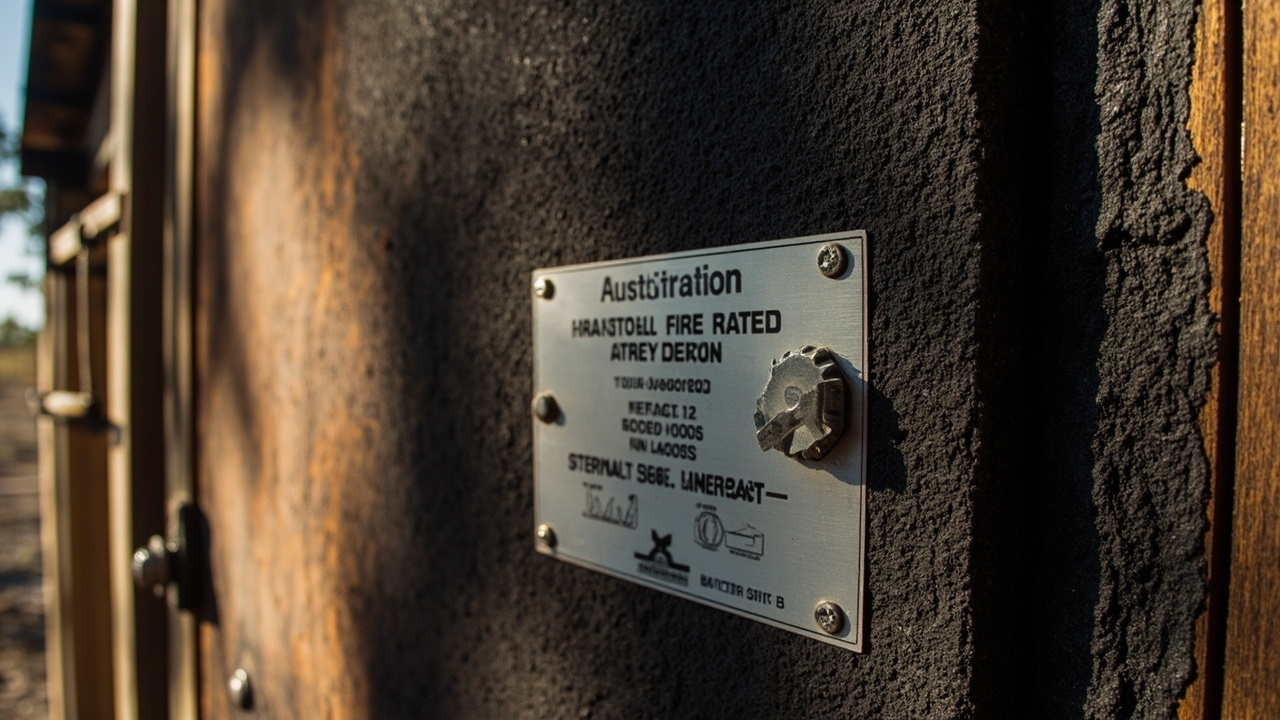
Your vault must be fire-rated. Minimum 30 minutes (AS1530.4). Lithium batteries don't just smoulder—they erupt. A 30-minute rating gives you time to get out and call the fire brigade.
Fire-rated steel door on battery vault
Practical tip: Line all walls/ceiling with 12.5mm fire-rated plasterboard (Gyprock Fireline). Don't use standard plasterboard. It'll melt in 10 minutes. Bunnings sells it for ~$15 per sheet. For a 1m x 1m vault, you'll need 4 sheets ($60). That's cheaper than replacing your house.
Ventilation: Or You're Building a Bomb
Batteries vent toxic gases when they fail. If you don't vent them outside, you get a pressure cooker. Minimum 100mm² per 100Ah of battery capacity. Vent at top AND bottom.
Practical tip: Buy a purpose-made vent kit (VentMaster). ~$80. Install one 100mm vent at the top and one at the bottom, pointing OUTSIDE. No ducting into the house. If you're using a shed, cut vents in the roof and floor—don't just drill holes. Bunnings has basic vents ($25), but the kit is worth it.
Spill Containment: Because Batteries Leak
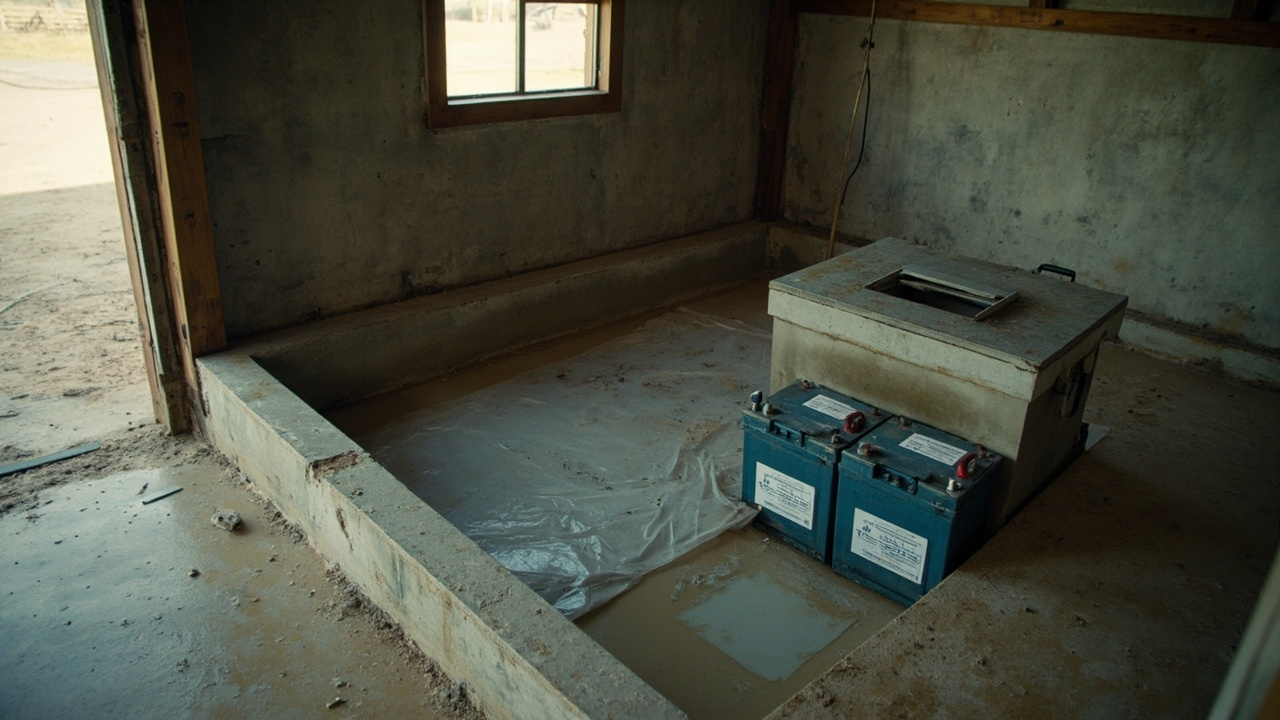
Lead-acid batteries leak acid. Lithium can leak electrolyte. If it hits the floor, it'll eat through timber and spread fire. You need a spill tray.
Acid spill containment berm inside battery vault
Practical tip: Line the vault floor with a food-grade plastic tray (10mm deep). PlasTec sells 1m x 0.5m trays for ~$35. Cut it to size, bolt it to the floor. No exceptions. If you skip this, you're gambling with your home's foundation.
Construction Checklist (Australian Reality)
Location: Outside the house. Minimum 3m from any structure. Not in a garage or shed—build a dedicated box.
Size: 100mm clearance on all sides. For a 4kWh system, 1m x 1m x 1m is standard.
Floor: Concrete slab only. Timber = instant fire spread.
Lockable: So kids and dogs can't wander in. A simple padlock on the door.
Final warning: If you're using a $200 "battery box" from eBay, you're playing Russian roulette. Australian fire services will fine you $500+ if they find it. Do it right or don't do it at all.
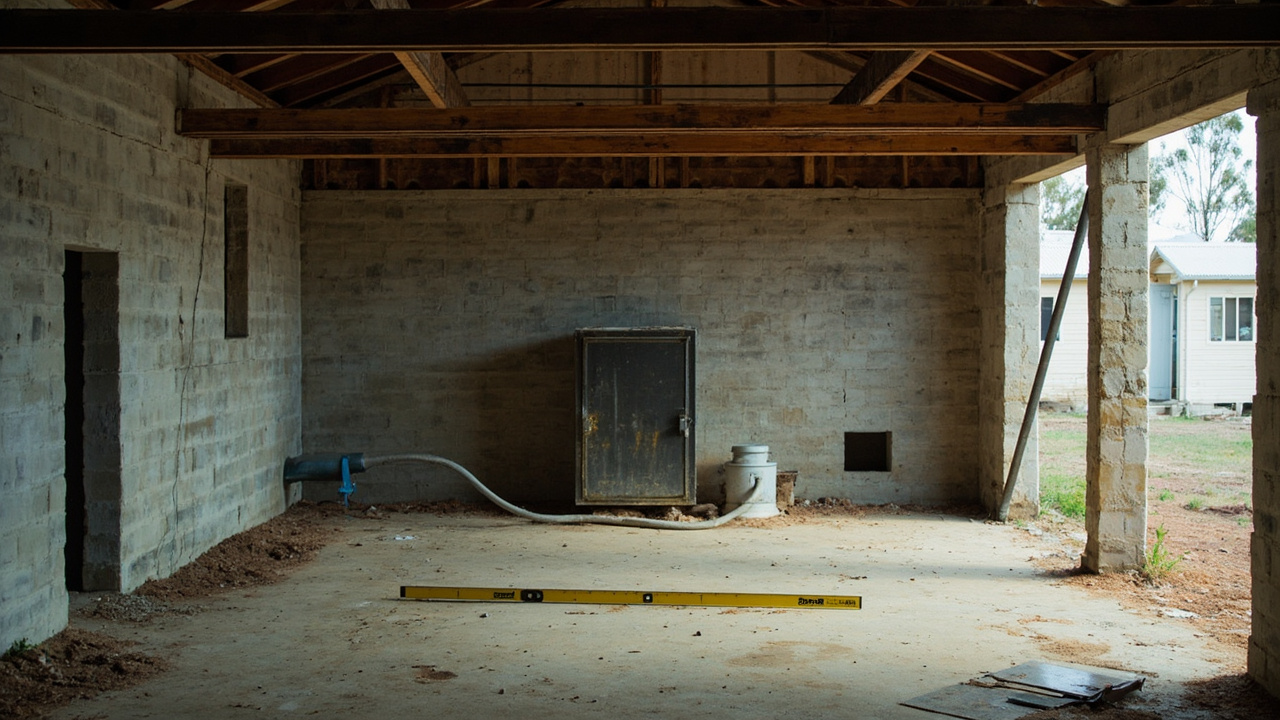
Partially constructed battery vault with steel frame
Cost Breakdown (indicative prices)
For a basic 1m x 1m x 1m vault (fire-rated, vented, spill tray):
Concrete slab (DIY): $100 (bags of cement + labour)
Total: ~$275 (before your sanity)
That's less than a single fire insurance claim. Do the work. Your house—and your peace of mind—depends on it.
⚠️ SAFETY WARNING: Working with electrical systems, structural modifications, or gas installations carries inherent risks. If you are not confident in your abilities, always engage a licensed professional.
It puts BAT‑SAFE and metal boxes through a real Li‑ion fire test, showing you how each containment method holds up under thermal runaway so you know exactly what to spec for your vault.— Dave Miller
When to Call a Professional
While many off-grid projects are achievable as DIY, certain situations require licensed professionals:
Electrical work beyond basic 12V DC additions — requires a licensed electrician
Structural modifications to buildings or load-bearing elements
Gas line installation or modification
Solar array installations above safe voltage thresholds
Any work that affects the structural integrity of your property
Always check local regulations and obtain necessary permits before commencing work.