Earth Tubes: Off-Grid Cooling That Actually Works (No Bullshit)
Forget fancy AC. If you're off-grid in Australia and want to cool your place without electricity, earth tubes are the real deal. They’re cheap, simple, and work like a charm. Here’s how.
Forget fancy AC. If you're off-grid in Australia and want to cool your place without electricity, earth tubes are the real deal. They’re cheap, simple, and work like a charm. Here’s how.
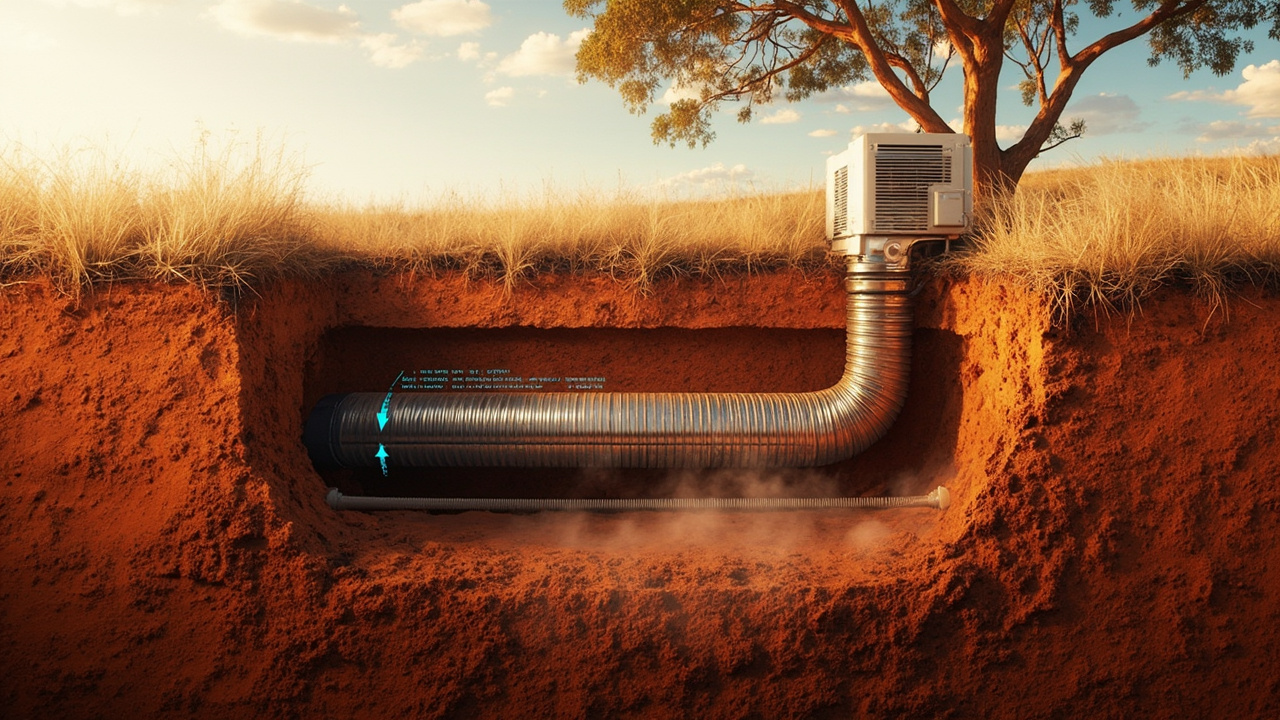
Earth tube cooling loop: shaded intake, buried pipe at 2.5m depth, floor vents into the house.
Cooling Potential: How It Actually Works
Earth tubes use the ground’s natural coolness (15-20°C year-round in most Aussie regions) to chill air before it hits your house. No power. No noise. Just air moving through buried pipes.
Buried tube cools air through the earth
Real numbers: In summer, they can drop indoor temps by 5-8°C. In Perth, they cut cooling needs by 70%. In Brisbane, same deal. You’ll still need fans, but you won’t be sweating buckets.
Don’t expect magic. They won’t turn your shed into an ice cave. But they’ll make off-grid living bearable without a generator.
Design: Don’t Mess This Up
Bad design = dust, mould, or zero cooling. Do it right:
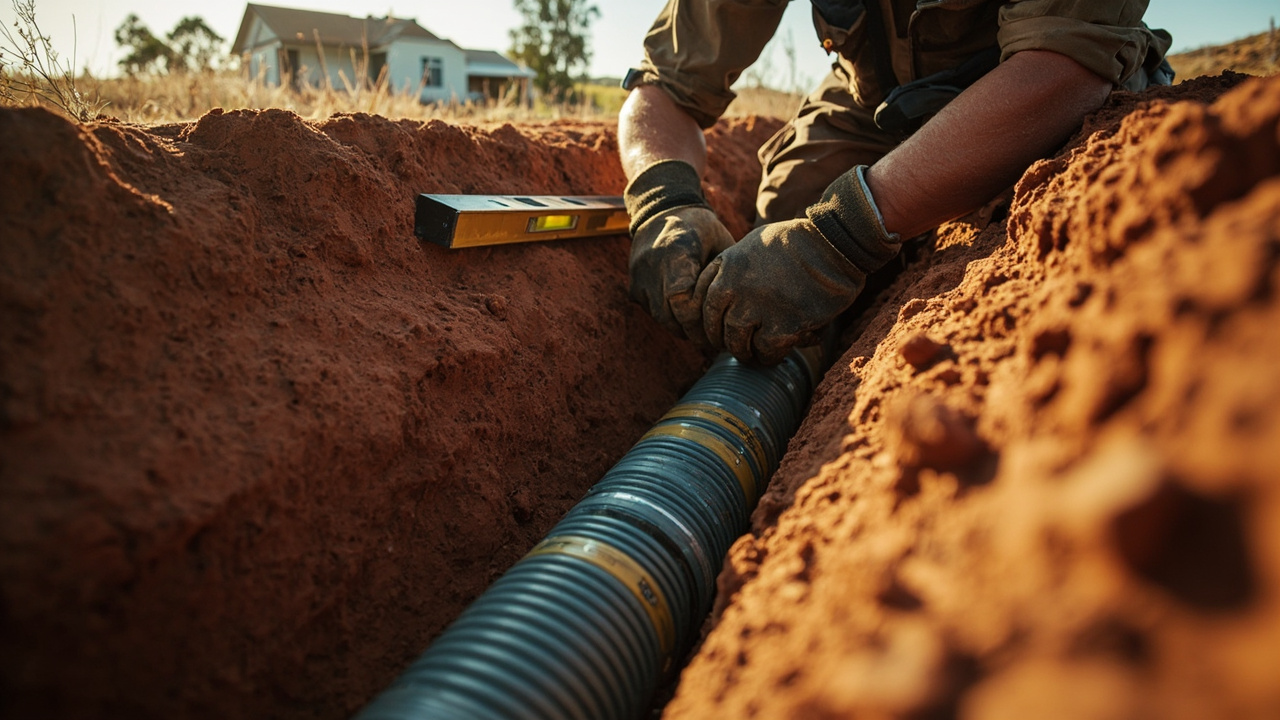
Earth tube pipe laid at correct burial depth
Length matters: Minimum 15m of pipe. Shorter = useless. 20m is better.
Depth is key: Bury pipes 1.2m deep (below frost line in cold zones). In Australia, 1m is fine for most places.
Material: Use 110mm corrugated PVC (not smooth pipe). Smooth pipe = dust traps. Corrugated = self-cleaning. $15-$20 per metre.
Angle: Slope pipes 1:100 (1cm drop per metre). Water drains out, not in.
Location: Run pipes north-south (in Australia) to avoid sun heating the pipe. Avoid rocky soil.
Example: 20m of pipe, 1.2m deep, 110mm corrugated PVC. That’s all you need for a 2-bedroom off-grid home.
Maintenance: Zero Effort
Earth tubes are basically "set and forget". Seriously:
No filters. No cleaning. No moving parts.
Once buried, they’re done. No annual checks needed.
Only thing that can go wrong: Rodents chewing pipes. Solution? Bury pipes in 100mm of gravel. Done.
Forget the "dust" myth. Corrugated pipes don’t collect dust. Smooth pipes do. Use corrugated or you’re wasting time.
Practical Tips (Aussie-Specific)
Stop overcomplicating it. Here’s what actually works:
Don’t use metal pipes. Rust = disaster. PVC only.
Don’t run pipes through compost. Rotting stuff = mould. Bury them away from garden beds.
Use a simple fan. 12V solar fan ($35-$50) pushes air through the tubes. No mains power needed.
Test before burying. Run a fan through the pipe outside. If it’s loud or dusty, ditch the pipe. Cheap to check.
Size for your house. 15m for a small shed. 25m for a 100m² home. Measure your space first.
Australian Suppliers & Pricing (indicative prices)
Corrugated PVC pipe (110mm): $18-$22/m. Buy from Homedepot or Bunnings. Get 20m for ~$350.
12V solar fan: $40-$60. Energy Saving or 4WD stock them. No need for fancy brands.
Gravel (for burial): $15-$20/bag (20kg). Bunnings sells it. Use 10 bags for 20m of pipe.
Total cost: $400-$500 for a full system. Less than one AC unit.
Real talk: If you’re paying $1,000+ for "earth tube kits", you’re getting scammed. It’s just pipe and a fan. Do it yourself. It’s not rocket science.
Final Word
Earth tubes are the simplest, cheapest off-grid cooling you’ll ever install. They work in Australia’s climate. They’re cheap. They need zero maintenance. And they’ll save you money on power bills for 20+ years.
Stop waiting for the "perfect" system. Dig a hole, lay 20m of pipe, and get cool air. Your future self will thank you.
⚠️ SAFETY WARNING: Working with electrical systems, structural modifications, or gas installations carries inherent risks. If you are not confident in your abilities, always engage a licensed professional.
It walks through a working earth‑tube installation from pipe layout to the fan‑free airflow that keeps the space cool, so you can see exactly what the design looks like on a real shed.— Mick O'Brien
When to Call a Professional
While many off-grid projects are achievable as DIY, certain situations require licensed professionals:
Electrical work beyond basic 12V DC additions — requires a licensed electrician
Structural modifications to buildings or load-bearing elements
Gas line installation or modification
Solar array installations above safe voltage thresholds
Any work that affects the structural integrity of your property
Always check local regulations and obtain necessary permits before commencing work.