By Mick O'Brien· carpenter & builder · sheds-to-homes, cabins and things that stay up in a storm
“After my first masonry heater failed to hold heat through a -3°C night in the Blue Mountains, I learned that thermal mass needs thick, dense clay, not just pretty bricks.”
No fluff. Just how to build a masonry heater that actually works in Australia. Forget the fancy European designs – we're talking about heat that lasts through a cold Tasmanian winter, using materials you can actually get here.
Cross-section of a masonry heater: firebox, serpentine gas path through baffles, flue and heated bench mass.
Firebox Design: Don't Be a Dummy
Your firebox is the heart. Get this wrong and you're burning cash and wood. Here's the blunt truth:
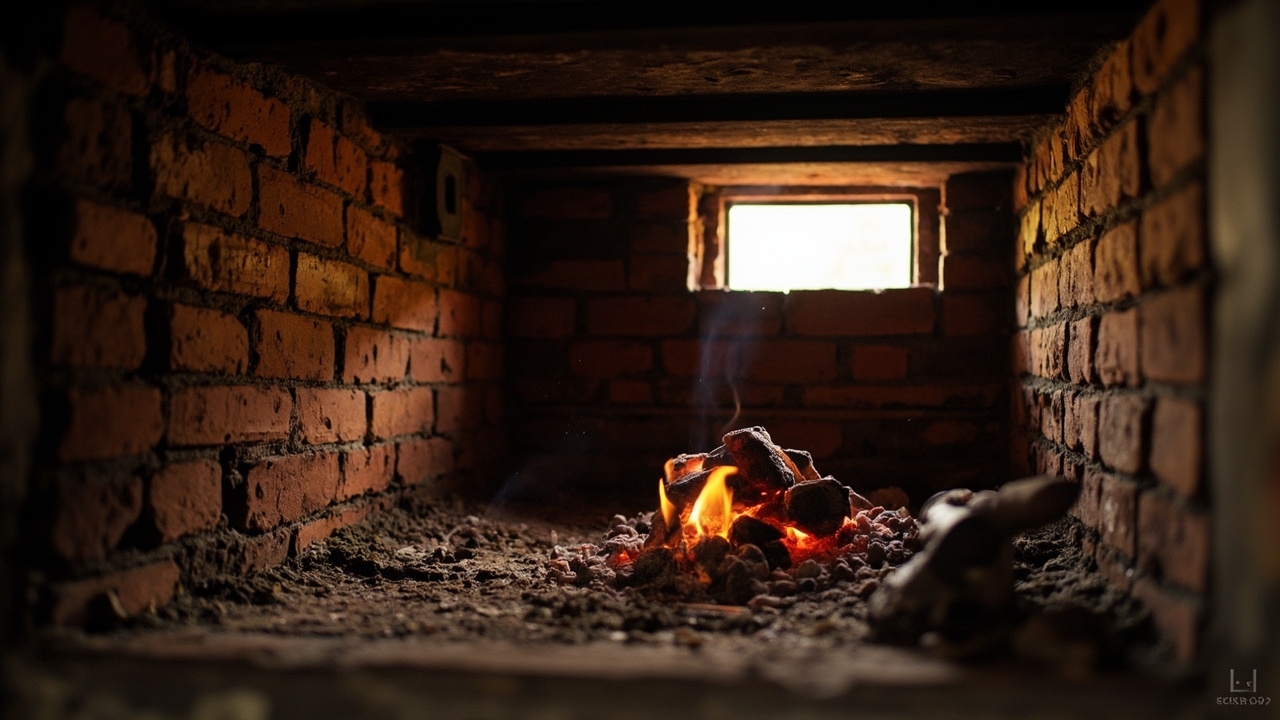
Firebox interior showing firebrick lining and combustion chamber
Size matters: 450mm x 450mm is the sweet spot for most Aussie off-grid homes. Bigger = more heat, but also more wood to load. Don't go bigger than 500mm x 500mm – you'll just waste fuel.
Steel vs. brick: Use 6mm steel firebox liner. Cheap, Australian-made, and lasts. Don't try to build it out of brick – you'll crack it. Suppliers: Steel House (from $220 for 450x450mm). Brick fireboxes are a death trap in humid climates.
Door gap: Leave 3mm gap around the door. Too tight = door won't open. Too loose = cold air in. Use a steel shim cut from scrap metal.
Pro tip: Build your firebox 200mm above floor level. Stops water from seeping in during wet seasons. Don't skip this – it's why your heater will last 20 years, not 5.
Mass Calculation: Don't Guess, Measure
Mass = heat storage. Too little mass = heater cools in 2 hours. Too much = you're burning wood for 12 hours to get heat. Here's the formula:
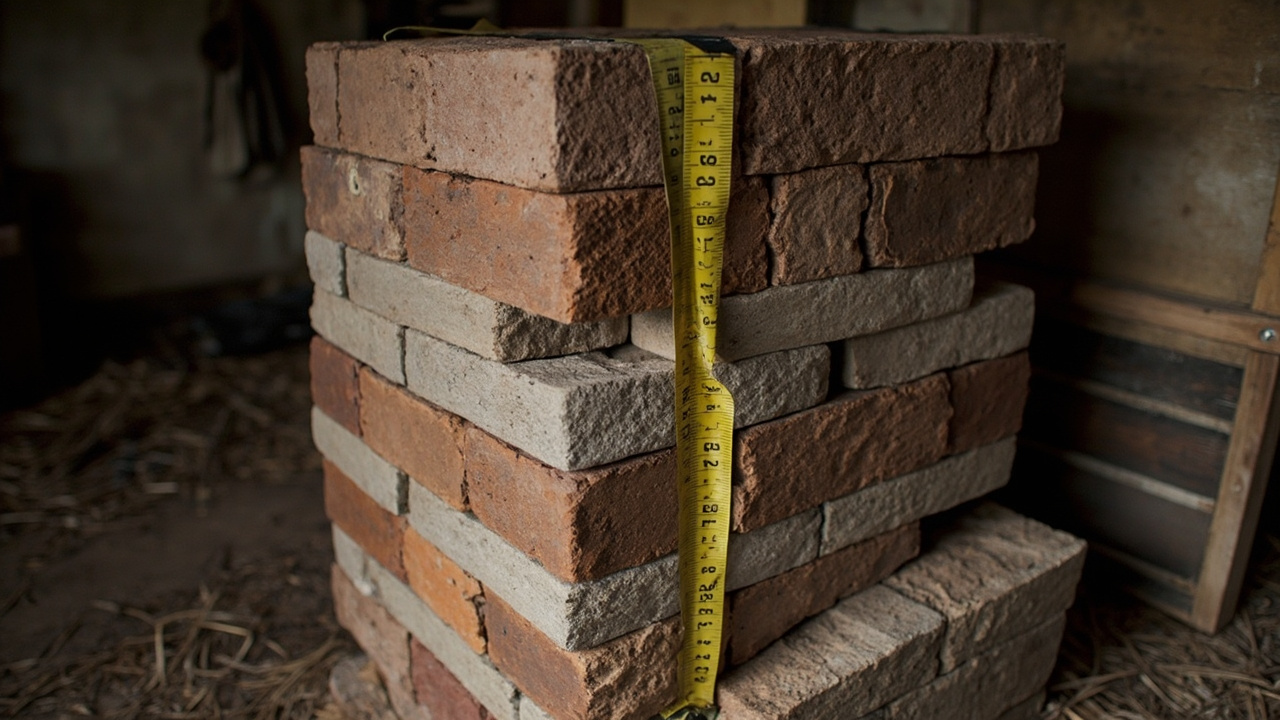
Measuring mass of stone and brick layers
Mass (kg) = (Room size in m³) x 1.5
Example: 20m² room (2.4m high) = 48m³ x 1.5 = 72kg of mass. That's 1.5 cubic metres of brick or stone.
Australian materials: Local brick (190mm x 90mm x 90mm) = 2.4kg per brick. 72kg = ~30 bricks. Brickworks sells bulk bricks from $0.80 each (2000+ bricks = $1.20 each). Stone is 3x cost – skip it unless you're rich.
Don't overdo it: 100kg+ mass is overkill for most Aussie homes. You'll waste wood. 60-80kg is the sweet spot.
Supplier tip: Buy bricks from Brickworks – they do bulk discounts. 500 bricks = $400. Don't go to Bunnings – they charge 3x more for the same brick.
Flue: The Part That Kills Heaters
Flue is where 90% of heaters fail. Here's how to get it right:
Size: 225mm x 150mm flue pipe. Standard 225mm clay flue is a joke – it's too small. Use stainless steel. Heater Supply sells 225mm stainless flue from $120/m (1.5m = $180).
Height: Minimum 3m from firebox to roof. Shorter = smoke in the house. In Australia, 3.5m is safer (wind gets in the way).
Angle: Flue must be straight. No bends. If you need to turn, use a 90° elbow – but only once. Every bend = less draft.
Blunt truth: If your flue is too small, you'll have smoke in the house. If it's too big, you'll burn wood like crazy. Stick to 225mm.
Final Word
Build it right: 450x450 firebox, 70kg mass, 225mm flue. That's it. No fancy European stuff. Australian materials, Australian prices. If you get this wrong, you'll be shovelling wood at 3am while it's 5°C outside. Don't be that guy.
Price guide: Firebox ($220) + bricks (30x $0.80 = $24) + flue (1.5m x $120 = $180) = $424. Total build cost under $500. If it costs more, you're being ripped off.
When to Call a Professional
While many off-grid projects are achievable as DIY, certain situations require licensed professionals:
Electrical work beyond basic 12V DC additions — requires a licensed electrician
Structural modifications to buildings or load-bearing elements
Gas line installation or modification
Solar array installations above safe voltage thresholds
Any work that affects the structural integrity of your property
Always check local regulations and obtain necessary permits before commencing work.
⚠️ SAFETY WARNING: Working with electrical systems, structural modifications, or gas installations carries inherent risks. If you are not confident in your abilities, always engage a licensed professional.
It walks through the common pitfalls of installing a Tulikivi masonry heater—like getting the chimney clearances and heat‑mass sizing right—so you avoid expensive do‑overs on your own build.— Mick O'Brien