
By Jenny Mills · rural nurse & homesteader · health, safety, law and the paperwork of going bush
“After my third winter, I learned that a 45kg tank left unburied in the bush froze solid when the temperature hit minus five degrees.”
The Complete Guide to Reliable, Efficient, and Safe Energy Solutions
By Jenny Mills · rural nurse & homesteader · health, safety, law and the paperwork of going bush
“After my third winter, I learned that a 45kg tank left unburied in the bush froze solid when the temperature hit minus five degrees.”
On remote Australian homesteads and bush cabins where mains gas doesn’t exist, I run propane. It delivers instant, high‑energy output for critical appliances—no waiting for sun or wind. Solar and wind falter when clouds roll in; propane keeps firing. That reliability explains why 92 % of off‑grid Australian households that need gas choose it. I saw a botched installation cost a family in the bush an extra $2,400 in emergency diesel generators and lost food. The incident proves propane is the only safe bet for continuous power.
While both are hydrocarbon gases, their delivery and use differ significantly for off-grid properties:
| Factor | Propane (LPG) | Natural Gas |
|---|---|---|
| Source | Stored in pressurised tanks (bottles, cylinders, bulk tanks) | Delivered via underground pipelines (mains gas) |
| Off-Grid Suitability | Perfect fit (no infrastructure needed) | Requires existing pipeline infrastructure (not available off-grid) |
| Energy Density | ~25.3 MJ/m³ | ~38.7 MJ/m³ (but requires gas metering) |
| Storage | Portable tanks (10-2000L) or bulk tanks | Not applicable (pipeline-based) |
| Australian Availability | Widely available at depots nationwide (e.g., Caltex, BP) | Only in urban areas with gas networks |
Key Takeaway: Natural gas is impossible for true off-grid living. Propane is the only viable gas option for remote properties.
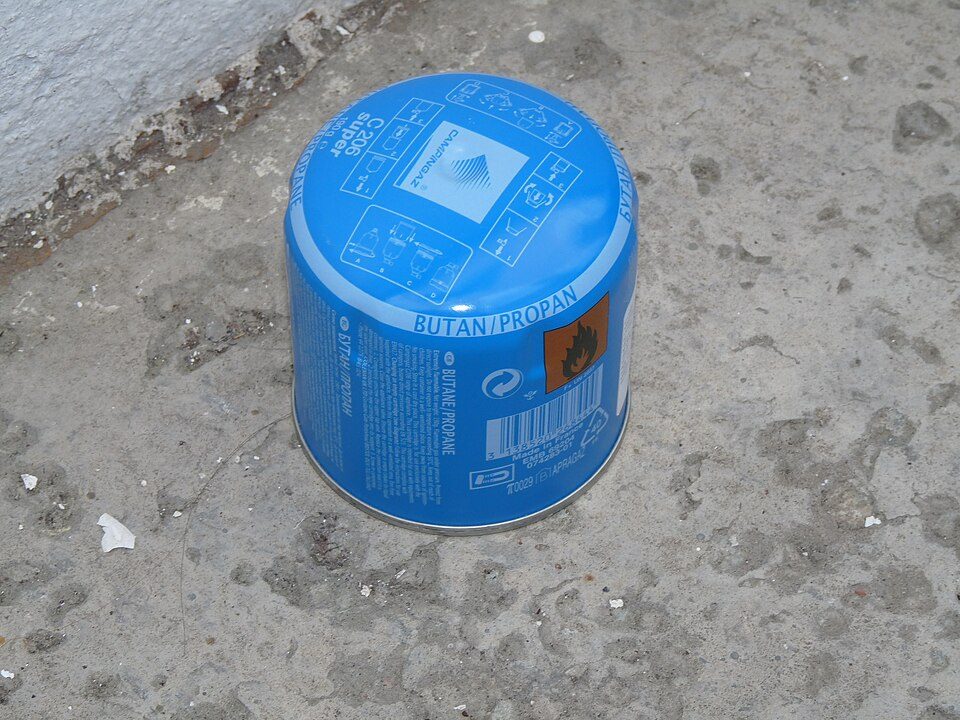
Size depends on consumption (measured in kg per month). Typical Australian off-grid usage:
Rule of thumb: 100kg propane ≈ 1 person's monthly cooking/heating needs (excluding hot water).
| Factor | Above Ground (AGT) | Underground (UGT) |
|---|---|---|
| Cost (AUD) | $2,500–$6,000 (tank + installation) | $5,000–$12,000 (tank + excavation + backfill) |
| Installation Time | 1–2 days | 5–10 days |
| Space Required | 4m x 2m (clear area) | 3m x 2m (trench) |
| Visibility/Security | Visible, requires fencing | Hidden, no security concerns |
| AS/NZS 1596 Compliance | Requires 2m clearance from structures | Must be buried 0.6m+ below ground |
| Best For | Short-term use, small properties, budget installs | Permanent setups, aesthetics, long-term use |
Pro Tip: Underground tanks require 30–40% more upfront investment but increase property value and eliminate visual impact.
How gas exits the tank affects efficiency and application:
Key Insight: Most Australian off-grid homes use vapor withdrawal for simplicity. Only install liquid withdrawal if you have >3 high-demand appliances (e.g., a commercial kitchen).
Proper regulators and piping prevent dangerous pressure fluctuations. Must comply with AS/NZS 1596:2023 (Australian Standard for LPG Installations).
Violating this standard risks fire, explosions, and voided insurance. Key rules:
Warning: DIY installations are illegal under AS/NZS 1596. Always hire an AS/NZS 1596-certified technician.
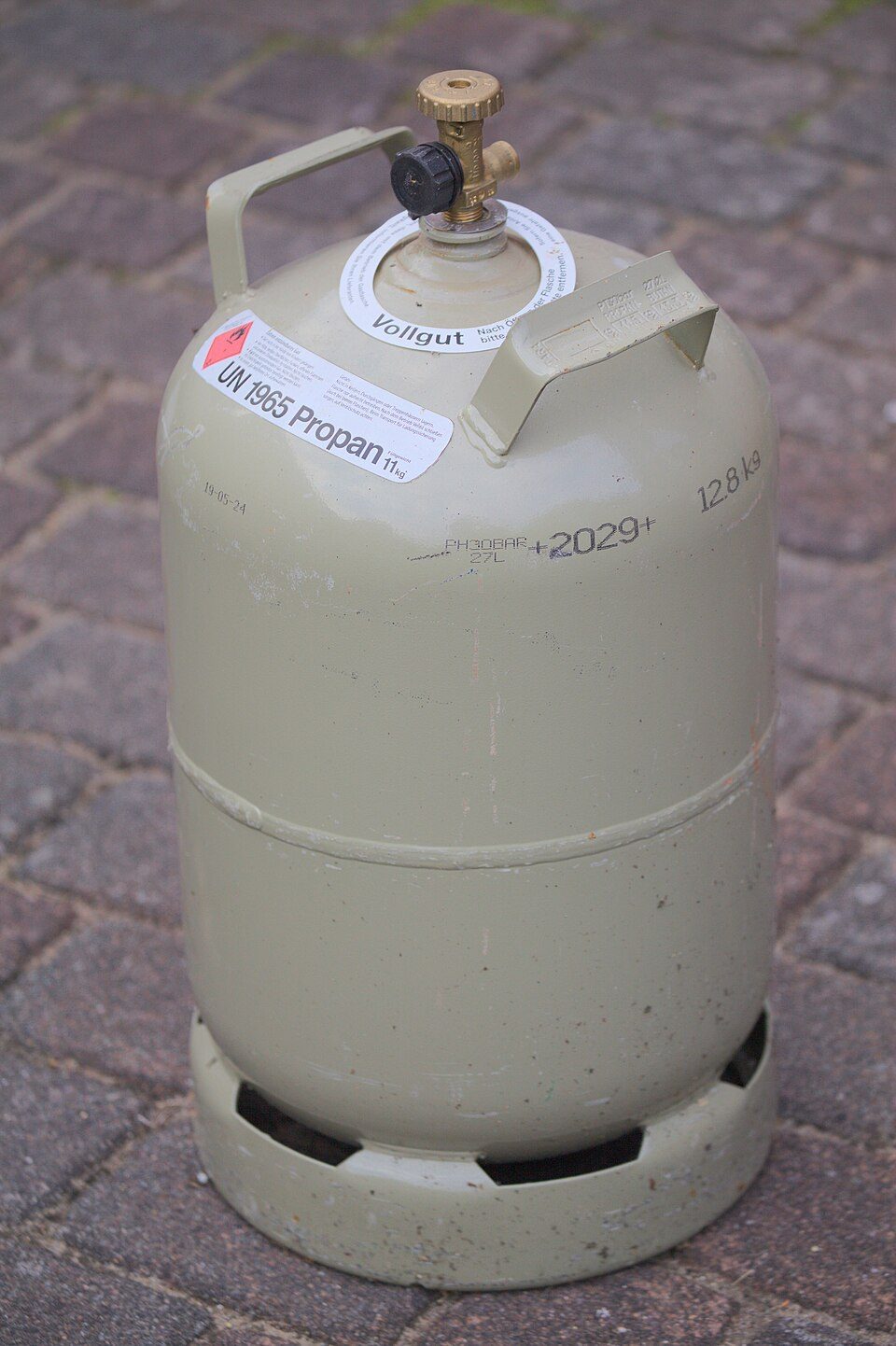
Propane powers everything from daily cooking to winter heating:
Based on 2,000L tank (250kg capacity) for a 4-person homestead:
| Option | Upfront Cost | Monthly Cost | Annual Cost | Pros |
|---|---|---|---|---|
| Propane (LPG) | $3,500 | $250 | $3,000 | Reliable, instant heat, no batteries |
| Solar + Battery | $12,000 | $0 | $1,200 | Zero fuel costs, renewable |
| Generator (Diesel) | $5,000 | $
When I hand the job to a licensed gas fitterWhile many off-grid projects are achievable as DIY, certain situations require licensed professionals:
Always check local regulations and obtain necessary permits before commencing work. Worth a watch: Off-Grid LPG (Propane) Gas line Installation for a Tiny House · Fearless Rambler Frequently asked questionsIs LPG actually worth it for off-grid living in Australia?I've been running LPG on my bush block outside Gympie for years and it pulls its weight for cooking, hot water and space heating. The honest trade-off is ongoing refill costs versus the bigger upfront spend on a solar system. I'd run both, not either-or — propane covers the things solar struggles with, like cooking on a still, cloudy week. How do I work out what size propane tank to get?I add up the hourly gas use of every appliance on the property first, then think about how often I want a refill truck turning up. On my place, sizing up paid for itself pretty quickly because the per-litre price drops on a bigger tank. It also means I'm not panicking when the local supplier has a long wait. Do I have to use a licensed gas fitter to install LPG?I do basic checks and swap over a regulator myself, but anything involving pipework from the tank or new appliance connections goes to a licensed gas fitter. The compliance certificate isn't optional paperwork — if something goes wrong and the work wasn't signed off, the insurance company can knock back the claim. I learned that one the hard way after a regulator blowout on my block. What's the difference between vapour draw and liquid draw on a gas tank?Vapour draw takes gas off the top of the tank once the liquid has boiled into vapour, which is what runs every standard domestic appliance on a normal day. Liquid draw pulls the cold liquid out and only earns its keep in freezing conditions or when high-demand gear starves a vapour system. I run vapour most of the year and only switch over in the depth of winter. |