Listen up. Swarming isn't a "maybe" – it's a certainty if you don't fix it. Off-grid? You don't have time for lost hives. Here's how to stop it dead.
Space: Don't Be a Tightwad
Bees need room to breathe. Crowded hive = instant swarm alert. No excuses.
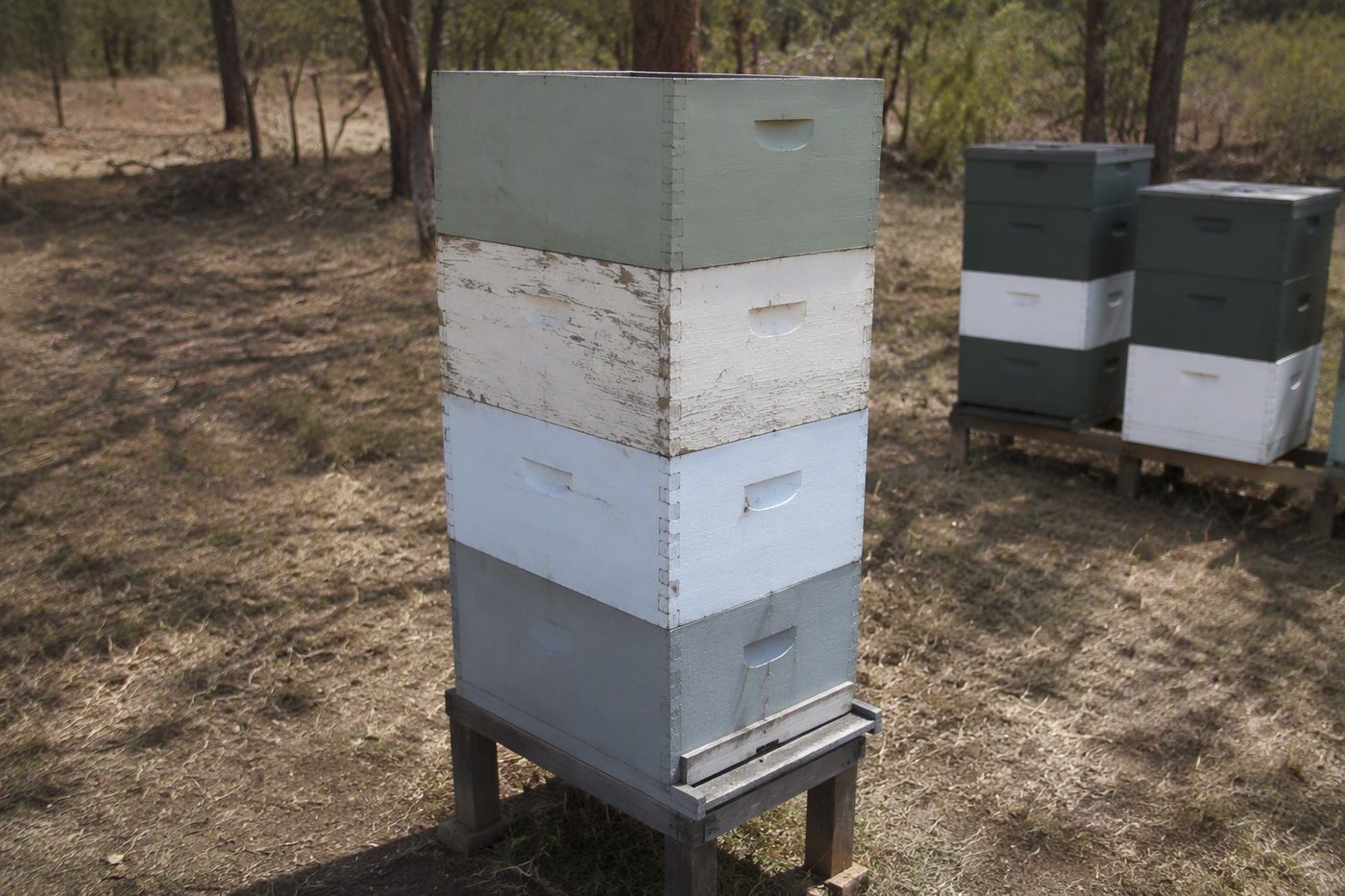
Always have at least 2 brood boxes (10 frames each) before adding honey supers. If you're only using one, you're asking for trouble.
Check frames weekly. If more than 70% are filled with brood or honey? Split the hive NOW. Don't wait.
Don't skimp on hive components. Cheap boxes warp, trap heat, and make bees want to leave.
Supplier: Beekeeping Supplies Australia (Bee Supply). Standard 10-frame brood box: $120. Worth every cent. Don't buy second-hand – you'll regret it.
Ventilation: Stop the Heat Build-Up
Bees overheat. You don't have a fridge. Bad ventilation = stressed bees = swarm. Fix it or lose your hive.
Install a screened bottom board. Non-negotiable. Lets heat escape and keeps bees cool.
Leave 1-2 cm gaps between hive bodies. No need for fancy vents – just space.
Never seal the hive with wax or tape. Bees need airflow. Period.
Supplier: Bee Supply. Screened bottom board: $45. Buy it. Install it. Done.
Queen Cells: Your Swarm Alarm
Queen cells = bees are planning to leave. You see them? Act in 48 hours or lose the hive.
Check for queen cells every 10 days. Look on the edges of frames, not just the centre.
If you see 2+ cells? Split the hive immediately. Take half the bees and brood to a new box.
Remove cells if you can't split. But don't wait – they hatch in 16 days.
Supplier: Bee Supply. Queen excluder (to stop queen from laying in honey boxes): $25. Use it after splitting. Prevents future swarms.
Swarm prevention isn't fancy. It's basic, daily work. If you're off-grid, you can't afford to lose bees. Space, ventilation, queen cells – fix these, and your hive stays put. No fluff. Just bees.
When to Call a Professional
While many off-grid projects are achievable as DIY, certain situations require licensed professionals:
Electrical work beyond basic 12V DC additions — requires a licensed electrician
Structural modifications to buildings or load-bearing elements
Gas line installation or modification
Solar array installations above safe voltage thresholds
Any work that affects the structural integrity of your property
Always check local regulations and obtain necessary permits before commencing work.
Bruce White’s step‑by‑step walkthrough covers the timing for adding supers and rearranging frames to keep colonies from swarming, which aligns with the low‑intervention, off‑grid style covered in the guide.— Jenny Mills