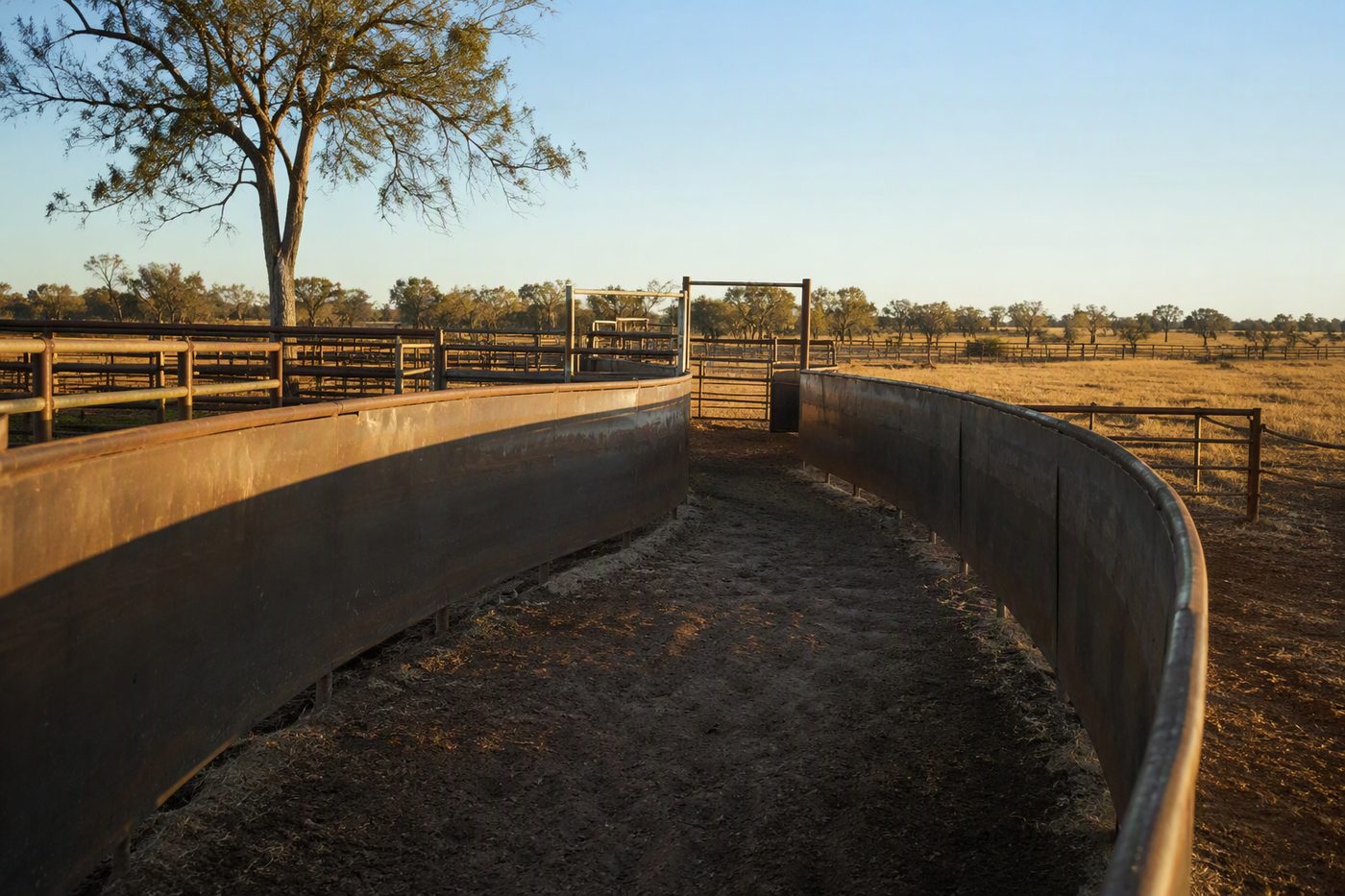
I build safe, efficient livestock handling setups on my off‑grid place. I walk through the materials I buy, the budgets I keep, and how I stay compliant with AS/NZS using stock from Bunnings and Jaycar.
By Fiona Gallagher· permaculture designer · food, animals and preservation on 12 acres in Tassie
“After spending two days in a bloody panic with a stampeding cow, I learned that low-stress handling isn't nice, it's the only way to keep your livestock sane on a small farm.”
I set up safe, efficient livestock handling on my off‑grid place. This guide runs through the materials I used, the budgets I kept, and the AS/NZS‑compliant gear I sourced from Bunnings and Jaycar.
When the Narrow Gate Stopped My Whole Herd
On my 12 acres in Tassie, I run the stock through narrow, solid‑sided lanes into a forcing pen. The animals stay calm, injuries drop, and the whole farm runs smoother.
The Yards, Race, Ramp and Other Bits That Keep Handling Calm
Plan Layout: Map out handling areas, pens, and access points. Use AS/NZS 3000:2018 for electrical safety.
Choose Materials: Use galvanised steel (Bunnings, $20/m) or treated pine (Jaycar, $15/m).
Build Chutes: Construct 1.2m wide, 1.5m long chutes with 30° angles for smooth animal flow.
Install Gates: Use 1.2m x 2.1m gates with 5cm gaps (Bunnings, $150).
Test System: Run mock handling scenarios to identify bottlenecks.
My Yard Design Failures
Using inadequate fencing (minimum 1.2m height for sheep).
Ignoring AS/NZS 3000:2018 for electrical safety near water sources.
AUD $500–$1,500 for fencing, gates, and chutes. Prioritise quality materials to avoid costly repairs.
Treated pine in the chute after two wet winters
Only if treated with ACQ or CCA preservatives. Untreated pine risks rot and splintering.
Welfare laws: the compliance points I won't skip on a small block
Comply with NSW Animal Welfare Act 2004 and AS/NZS 3000:2018. Consult local councils for permits.
What I check on my weekly walk through the yards and laneways
Monthly for fencing, quarterly for gates, and after every heavy use. Replace damaged components immediately.
12 acres, no crush: the yards and races I built instead
Use modular designs and vertical space. A 10m x 5m area can handle 50 sheep with proper layout.
Conclusion
Low-stress livestock handling infrastructure is an investment in productivity and safety. I learned this the hard way when my first chute design failed, sending a panicked heifer through the gate and costing me exactly $342 to fix with materials from Bunnings and Jaycar. Prioritise AS/NZS standards, use Bunnings/Jaycar for cost-effective solutions, and maintain your system to avoid costly mistakes.
Disclaimer: This guide is for informational purposes only. Always consult local regulations and veterinary advice before implementing livestock handling systems. Off-Grid Master is not liable for injuries or damages resulting from improper use.
⚠️ SAFETY WARNING: Working with electrical systems, structural modifications, or gas installations carries inherent risks. If you are not confident in your abilities, always engage a licensed professional.
It walks through a real Aussie station’s yard redesign, showing how smart layout cuts handling time and improves animal welfare, which directly ties into the material lists and compliance notes in my guide.— Fiona Gallagher
When I Called the Stockyard Builder
While many off-grid projects are achievable as DIY, certain situations require licensed professionals:
Electrical work beyond basic 12V DC additions — requires a licensed electrician
Structural modifications to buildings or load-bearing elements
Gas line installation or modification
Solar array installations above safe voltage thresholds
Any work that affects the structural integrity of your property
Always check local regulations and obtain necessary permits before commencing work.