By Sarah Chen · environmental engineer · water, waste and everything that flows downhill
“I lost my first twenty koi because I ignored the nitrification cycle, feeding them too many pellets before the bacteria could convert the ammonia.”
By Sarah Chen · environmental engineer · water, waste and everything that flows downhill
“I lost my first twenty koi because I ignored the nitrification cycle, feeding them too many pellets before the bacteria could convert the ammonia.”
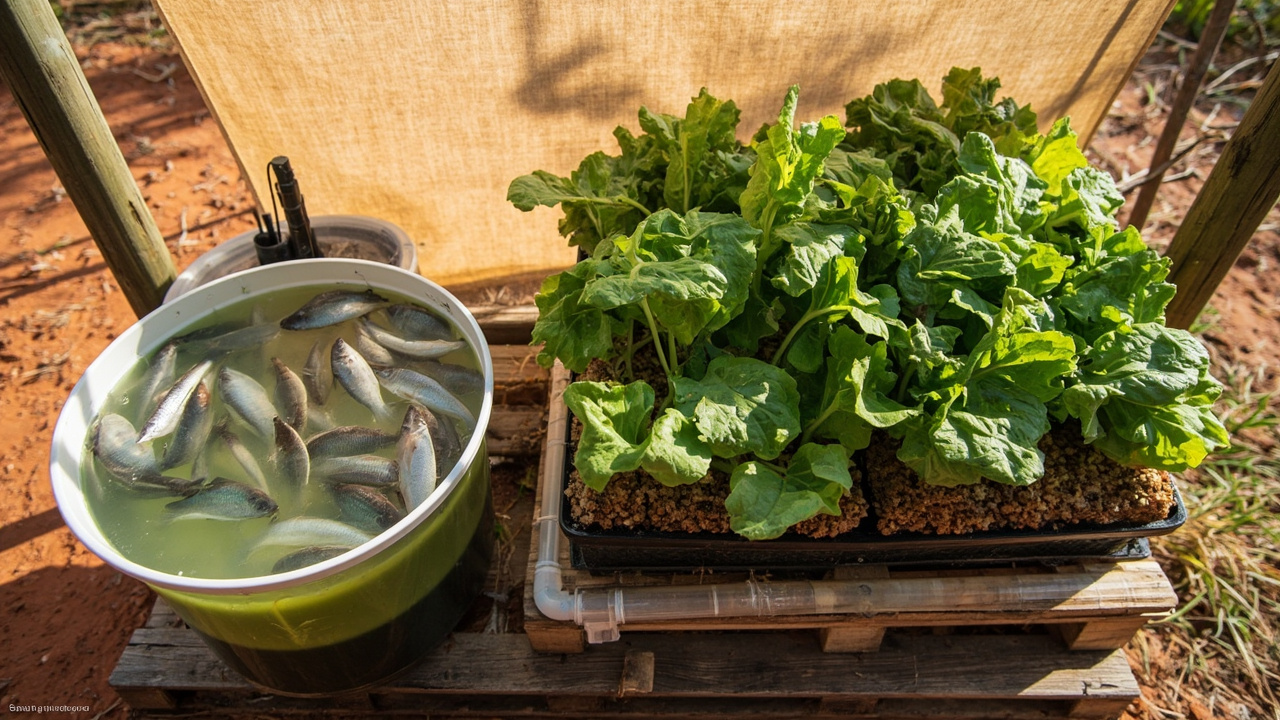
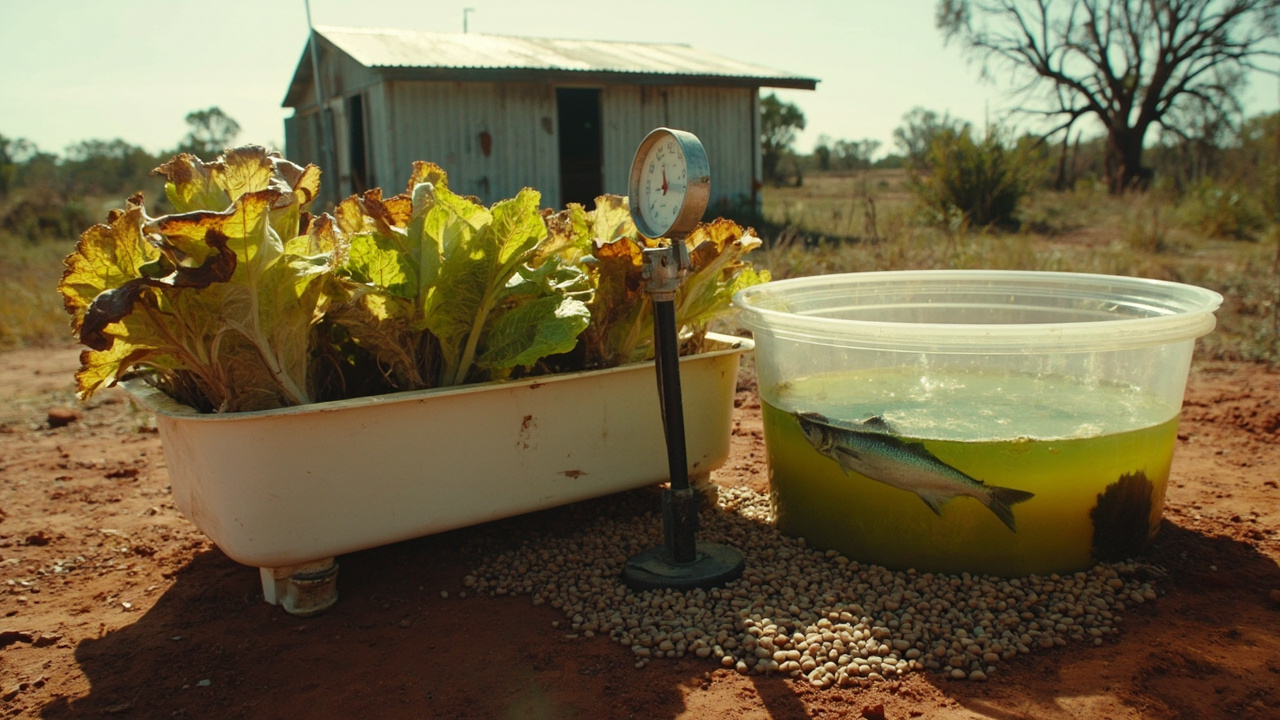
Twenty years running systems out the back of Eudunda taught me one thing: the fish-to-plant ratio and the nitrification cycle aren't suggestions, they're the whole game. Bung either one and you're basically growing sludge instead of lettuce.
I've found that an off‑grid aquaponics setup in Australia has no tolerance for the fish‑to‑plant ratio and the nitrification cycle drifting apart. Let that happen, and you're pumping sludge straight onto your veg.
Too many fish = ammonia toxicity. Too few = plants starve. Here’s the real deal:
| System Size (Litres) | Recommended Fish Weight (kg) | Plant Space (m²) |
|---|---|---|
| 100 | 1-2 | 0.5 |
| 300 | 3-5 | 1.5 |
| 500 | 5-8 | 2.5 |
| 1000 | 10-15 | 5 |
Tip: Start small. Bunnings sells 10L tanks for $49.95. Jaycar has plant grow blocks for $25 each.
Ammonia → Nitrite → Nitrate. If this chain breaks, your system dies. Here’s how it works:
| Stage | Process | Key Players |
|---|---|---|
| 1 | Ammonia from fish waste | Detritus |
| 2 | Ammonia → Nitrite | Nitrosomonas bacteria |
| 3 | Nitrite → Nitrate | Nitrobacter bacteria |
| 4 | Nitrate used by plants | Roots |
Tip: Test ammonia/nitrite levels weekly. Use AS/NZS 4410.1:2015 for water quality standards.
Final Word: Balance is everything. Get ratios right, keep the cycle running, and your system will thrive. No shortcuts. No excuses.
While many off-grid projects are achievable as DIY, certain situations require licensed professionals:
Always check local regulations and obtain necessary permits before commencing work.
Worth a watch: How to Cycle An Aquaponics System · Rob Bob's Aquaponics & Backyard Farm