Forget fancy soil amendments. Biochar is the one thing that actually works for off-grid Aussie gardens. Made right, it locks in water, boosts nutrients, and cuts your input costs. Here’s how.
Forget fancy soil amendments. Biochar is the one thing that actually works for off-grid Aussie gardens. Made right, it locks in water, boosts nutrients, and cuts your input costs. Here’s how.
Biochar production flow from feedstock to charged soil amendment.
How to Make Biochar (Pyrolysis)
Pyrolysis = burning biomass without oxygen. You get biochar, syngas, and bio-oil. Off-grid? Do it in a drum.
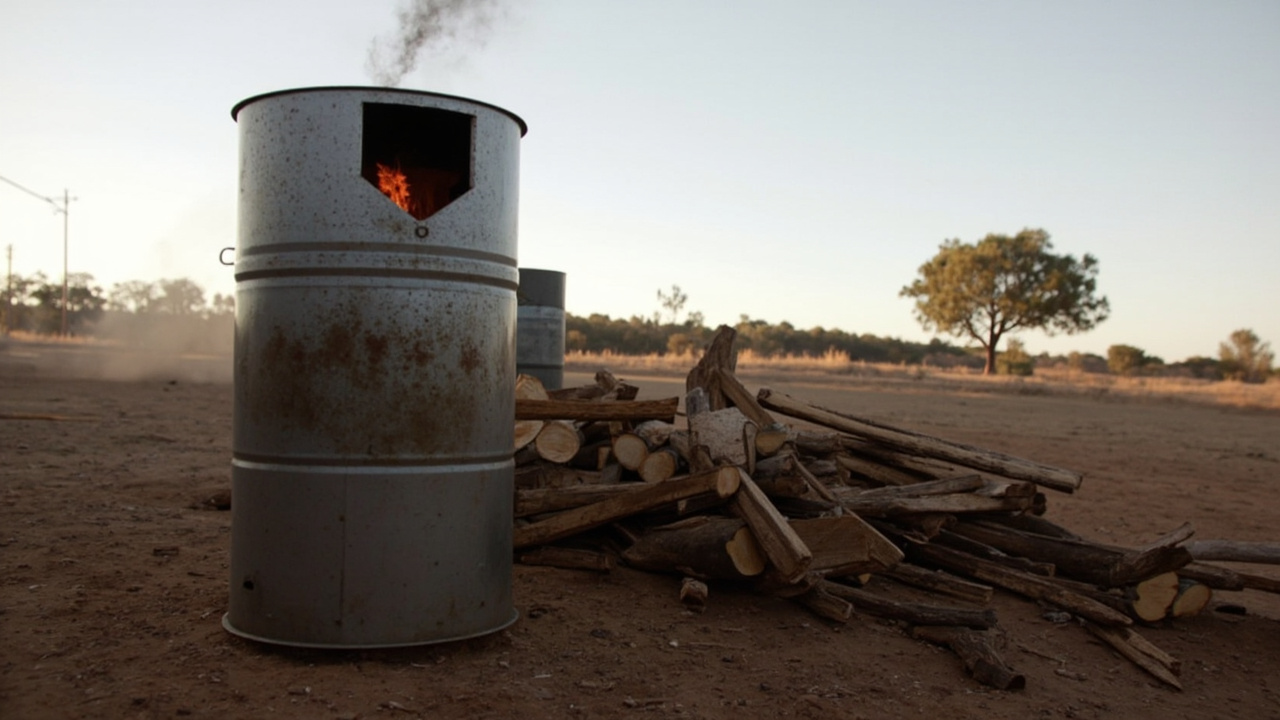
Pyrolysis drum in dusty Australian paddock
Drum method (cheapest): Cut a 200L drum in half. Drill 10-15 holes in the bottom. Fill with dry wood scraps (eucalypt, pine, or crop waste). Light it, then seal the top with a lid. When smoke turns white, smother with dirt. Done. Takes 2-3 hours.
Retort (better but pricier): $200-$500 for a metal retort. Burns cleaner, captures syngas for cooking. Worth it if you’re serious.
DO NOT: Use treated wood, plastics, or anything with chemicals. You’ll poison your soil.
Real talk: Your BBQ charcoal is useless. Biochar needs to be made via pyrolysis, not just burned. DIY drum method works. Don’t overcomplicate it.
Activation: Why Raw Biochar Sucks
Raw biochar is like a dry sponge. It won’t hold nutrients. Activation fixes that.
How: Mix 1 part biochar with 10 parts compost tea (or manure tea). Sti
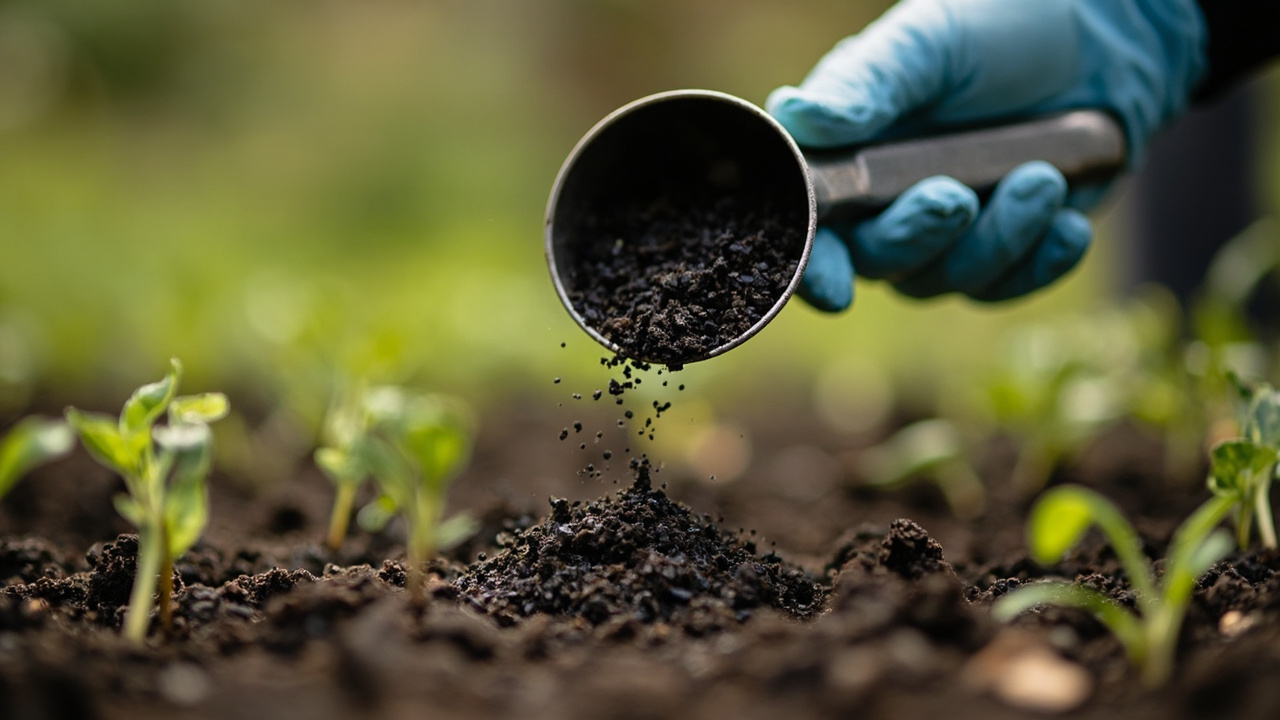
Hand spreading measured biochar onto garden bed
r daily for 24-48 hours. That’s it.
Why: Activated biochar binds nutrients and microbes. Raw biochar will suck nutrients from your soil.
Don’t skip this. It’s the difference between working and wasting money.
Application Rates: Don’t Waste It
Too much biochar = wasted money. Too little = pointless. Stick to these numbers.
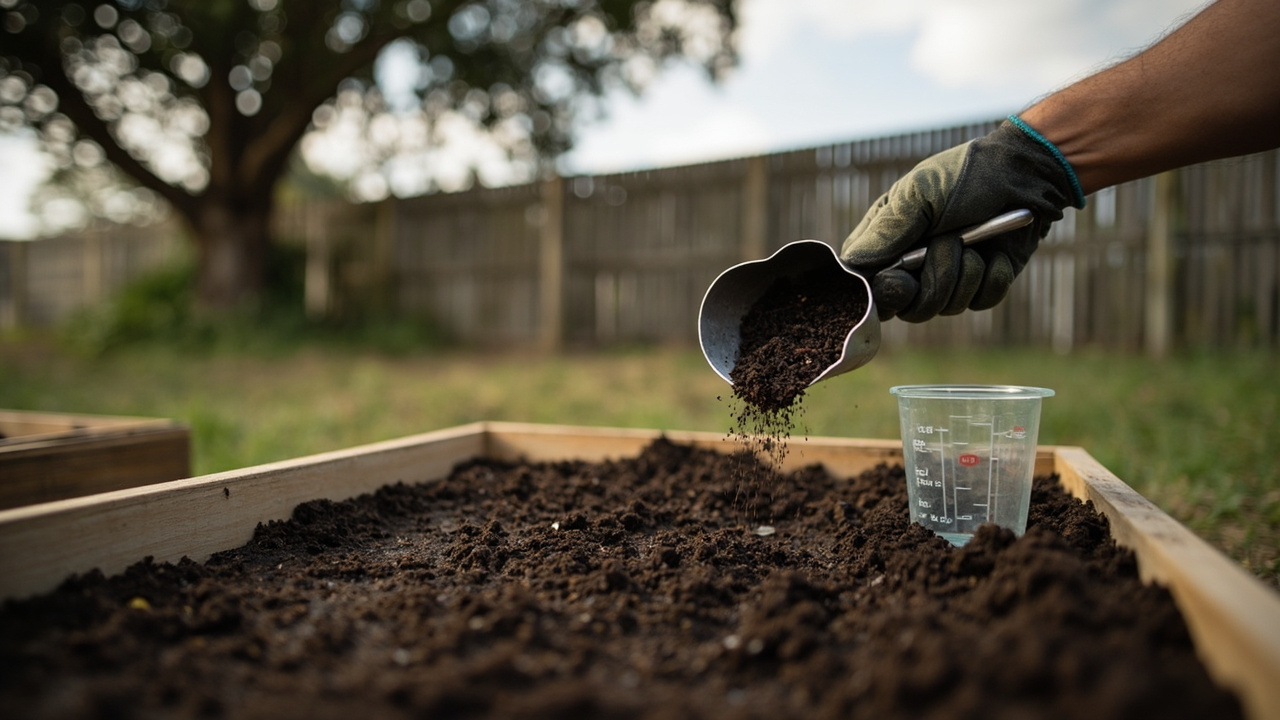
Gloved hand applying measured biochar to garden bed
New garden beds: 10% by volume (e.g., 10kg biochar per 100kg soil). Mix thoroughly.
Established gardens: 5% (5kg per 100kg soil). Apply in spring.
Potting mix: 10% (1 part biochar to 9 parts potting mix).
Water treatment (ponds): 1g per litre to reduce algae. Dump it straight in.
Rule of thumb: Start low (5%). Test over 6 months. If your soil’s still crap, bump to 10%. Never go above 10%.
Australian Suppliers & Pricing (indicative prices)
Don’t pay $50/kg for "premium" biochar. It’s overpriced bullshit. Make it yourself or get local.
Biochar Australia (NSW)
Price: $15/kg (50kg+ bulk). Best for serious growers. $750 for 50kg
Website: biocharaustralia.com.au
Carbon Gold (VIC)
Price: $20/kg (small bags). For small-scale use. $20 for 1kg
Check Facebook groups: "Aussie Off-Grid" for local sellers (often $10-$12/kg).
Real talk: If you’re off-grid, make it. $50 for a drum + $0 for biomass (your garden waste) beats buying. Suppliers are for when you’re lazy.
Practical Tips (Aussie Edition)
Use local biomass: Eucalyptus, pine, or sugarcane bagasse. Avoid softwoods (they burn too fast).
Storage: Keep biochar dry. It’s hygroscopic (sucks moisture). Use a sealed bucket.
Safety: Wear gloves and a mask. Pyrolysis makes toxic smoke. Do it away from houses.
Test first: Mix 5% biochar into a small patch. Wait 3 months. If plants don’t improve, you messed up the activation.
Final Word
Biochar isn’t magic. It’s a tool. Make it right, activate it, apply it at the right rate. Your soil will hold water longer, need less fertiliser, and grow better crops. Skip the hype. Do the work. It’s cheaper than your next bag of chicken manure.
⚠️ SAFETY WARNING: Working with electrical systems, structural modifications, or gas installations carries inherent risks. If you are not confident in your abilities, always engage a licensed professional.
The video walks through a quick, low‑cost trench‑kiln technique for turning on‑site brush into usable biochar, which is the exact hands‑on method you need when you're starting out on a remote block.— Jenny Mills
When to Call a Professional
While many off-grid projects are achievable as DIY, certain situations require licensed professionals:
Electrical work beyond basic 12V DC additions — requires a licensed electrician
Structural modifications to buildings or load-bearing elements
Gas line installation or modification
Solar array installations above safe voltage thresholds
Any work that affects the structural integrity of your property
Always check local regulations and obtain necessary permits before commencing work.