Soil Amendments: Off-Grid Gardening Done Right (No Bullsh*t)
Acidic off-grid soil kills tomatoes and stunts growth, but two kilograms of lime per square metre turns it around. Compost, manure, bone meal, and rock minerals fix most Aussie plots for under $150 AUD. Test pH first, amend in autumn, and your next crop will show the difference.
Compost, manure, bone meal, and rock minerals. Fix your soil without blowing budget on fancy fertilisers.
By Jenny Mills· rural nurse & homesteader · health, safety, law and the paperwork of going bush
“After losing my first tomato crop to acid soil, I learned that adding just two kilograms of lime per square metre is the only way to get real growth off-grid.”
Layered raised bed cross-section for fixing acid soil on a budget
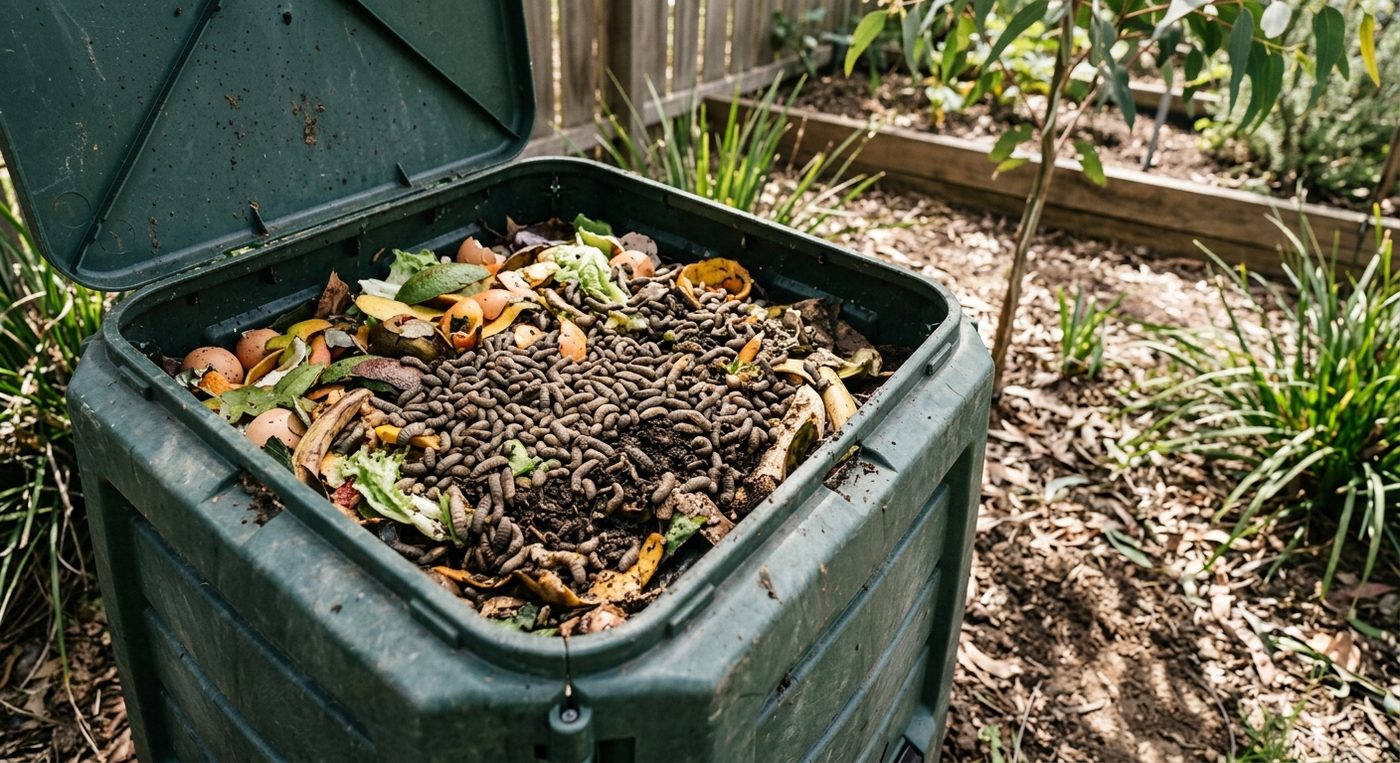
Compost: Your Black Gold
What it is: Kitchen scraps + garden waste, turned into nutrient-dense humus.
Why you need it: Fixes shitty soil, holds water, feeds microbes. Without it, you're just wasting time.
Application rate: 5-10cm layer, mixed into top 15cm of soil. For new beds: 50-100L per sqm.
Tip: Skip meat/fat (attracts rats). Use a $50 worm farm or bin. Councils often give free compost (ask at your local depot). Making your own costs $0 and beats buying it.
Manure: Not the Furry Kind
What it is: Aged animal poo (chicken, cow, horse). DO NOT USE DOG/CAT MANURE (disease risk).
Why you need it: Nitrogen boost. But fresh manure burns roots. Must be aged 6+ months.
Application rate: 1-2cm layer mixed in. Never exceed 20% of soil mix.
Where to get it: Local stables (ask for free wheelbarrow loads). Horse manure: $5-$10 per wheelbarrow. Chicken manure: $10-$15 for 10kg bag (Rural Industries).
Tip: Chicken manure is best but smelly. Spread it out for 2 weeks before using. If it's wet and stinks, it's not ready.
Bone Meal: Phosphorus for Roots
What it is: Ground animal bones (phosphorus source).
Why you need it: For root development and flowering. Don't use on legumes (beans, peas - they fix their own nitrogen).
Application rate: 1-2 tsp per planting hole, or 50g per sqm when prepping soil.
Where to get it: Bunnings or Rural Industries. $15-$25 for 1kg bag (Bones & Minerals brand).
Tip: Overdoing it locks up other nutrients. One bag lasts years. Skip it if your soil's already high in phosphorus (test first).
Rock Minerals: Fixing the Basics
What they are: Crushed rocks (gypsum, dolomite, rock phosphate).
Why you need them: Corrects specific deficiencies. Gypsum for clay, dolomite for acid soils, rock phosphate for phosphorus.
Application rates:
Gypsum: 10-20kg per 100 sqm (for heavy clay)
Dolomite: 50-100g per sqm (for acidic soils)
Rock phosphate: 50g per sqm (for phosphorus boost)
Where to get it:
Gypsum: Bunnings ($25 for 25kg bag)
Dolomite: Rural Industries ($20 for 25kg bag)
Rock phosphate: Local farm store ($15 for 1kg bag)
Tip: TEST YOUR SOIL FIRST. You're wasting money if you don't know what's wrong. Get a $25 kit from your local garden centre. Don't just dump minerals.
Off-Grid Reality Check
Forget $20/kg "organic" fertiliser from the supermarket. It's a rip-off. You're better off making compost, getting free manure from stables, and using rock minerals only when needed.
Start small: One compost bin, one manure source, one mineral for your biggest problem. Test your soil. Then go from there.
The only soil amendment you need is compost. Everything else is a band-aid. Fix your soil structure first, then worry about nutrients.
When to Call a Professional
While many off-grid projects are achievable as DIY, certain situations require licensed professionals:
Electrical work beyond basic 12V DC additions — requires a licensed electrician
Structural modifications to buildings or load-bearing elements
Gas line installation or modification
Solar array installations above safe voltage thresholds
Any work that affects the structural integrity of your property
Always check local regulations and obtain necessary permits before commencing work.
In the video the creator documents three years of adding compost, manure and rock minerals to the same beds, then shows the resulting tomato and herb growth, which proves that consistent soil amendment builds fertility without expensive inputs.— Jenny Mills