Off-Grid Alpaca System Design for Australian Blocks | OffGrid Masterplan
Plan your off-grid property for alpacas. Gentle grazers that won't trash your land, ideal for Tasmanian-style blocks. Design tips inside.

By Fiona Gallagher · permaculture designer · food, animals and preservation on 12 acres in Tassie
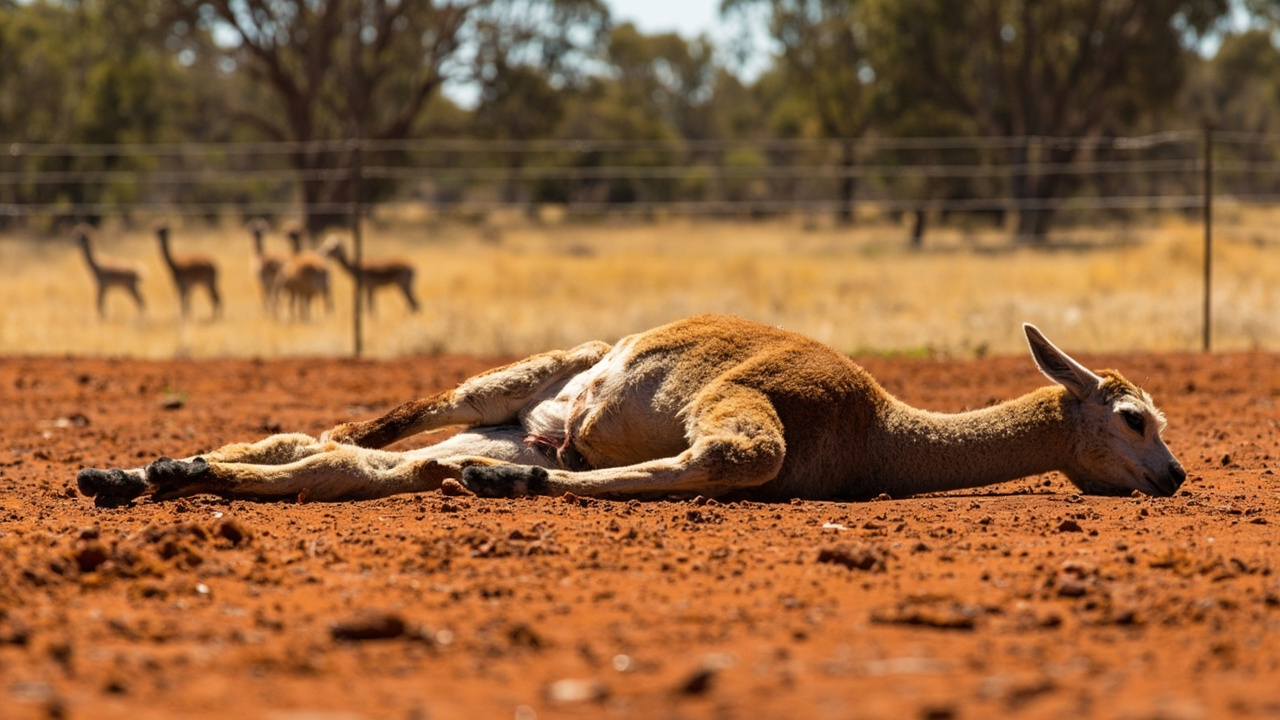
“After losing three alpacas to hypothermia in one Tassie winter, I learned they need 12 hours of sun, not just a shed.”
Why Alpacas Work On My 12 Acres
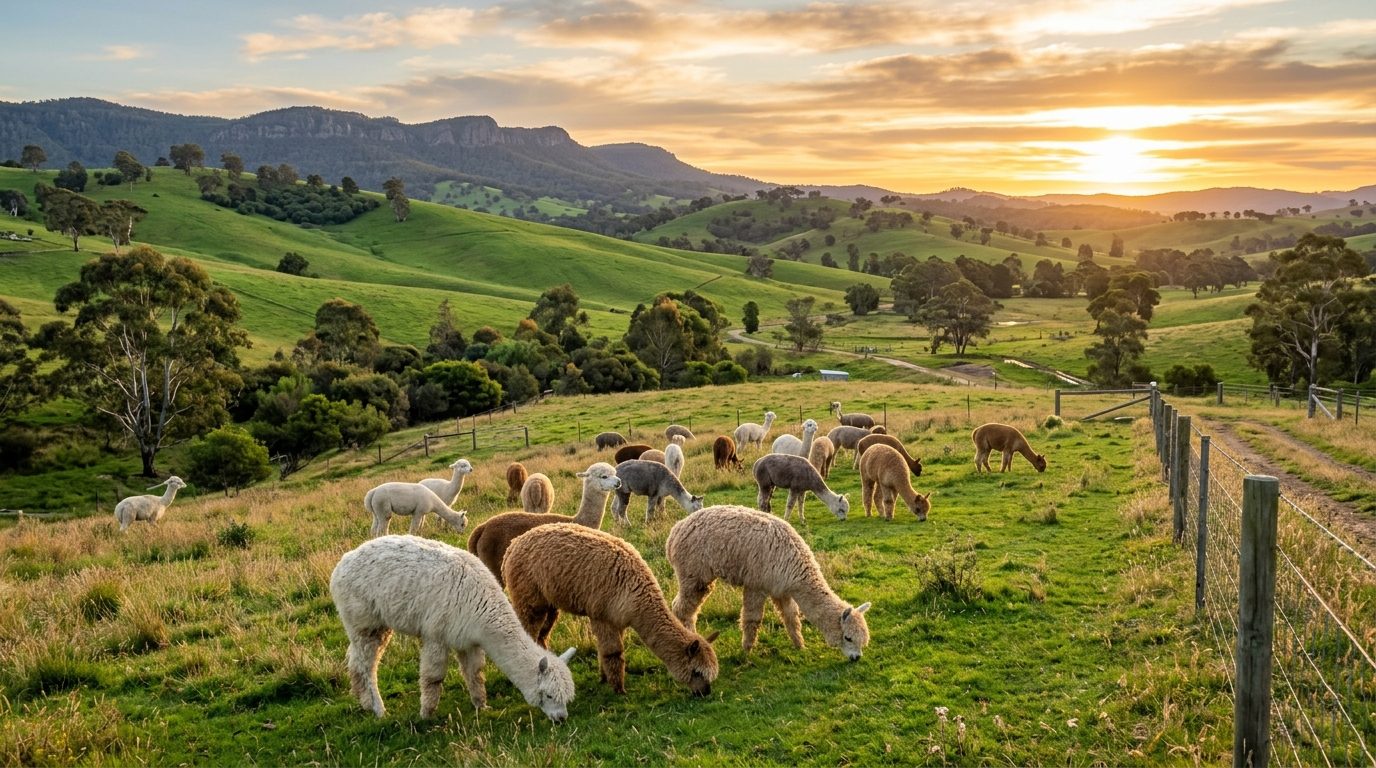
Alpacas suit our off-grid 12-acre Tassie block because they're quiet, intelligent, and far less trouble than other livestock I've worked with. They come from South America originally but have settled into Australian conditions well, handling everything from the temperate regions of Victoria to the drier inland country across Queensland and New South Wales. The fibre they produce is luxurious and sells well, which offsets the cost of keeping them. Their strong herd instinct also makes them useful as guardians for sheep and goats, a bonus I didn't appreciate until I saw them drive off a stray dog last spring.
On my 12 acres in Tassie, alpacas pull their weight off-grid without the bother cattle bring. They need less room, their soft feet leave the soil alone, and they'll graze pasture too thin for heavier stock. Grass and hay cover their needs. Cold doesn't worry them, and foot problems show up less than in sheep. I run three to five in a mob — they keep a few acres clean, throw off fibre, and stand guard.
Three animals have died on this property from cold exposure in a single Tasmanian winter. That loss taught me something the glossy breed brochures won't: a three-sided shelter is not enough in a Tassie winter. Alpacas need around 12 hours of sun a day to keep condition up through the cold months. If your block sits in a shaded gully or runs a southerly aspect, plan your shelter orientation to catch the winter sun, not just block the wind.
Key Considerations Before You Buy
Land And Zoning
Alpacas are classified as livestock in most Australian council areas, so you will need to check with your local council regarding land-use zoning and any minimum acreage requirements. Many rural properties with 2-5 acres can support a small herd, but stocking rates depend heavily on pasture quality. Overgrazing is a real risk, so plan for at least half a hectare per adult alpaca in good grazing conditions.
Climate Suitability
Alpacas handle Australian climates well, though they struggle in prolonged wet, humid conditions where fungal skin issues can arise. In northern Queensland and the tropics, consider higher-set properties with good drainage. Across most of temperate and arid Australia, alpacas thrive with basic shelter from prevailing winds and summer sun.
Predator Protection
This is the most critical consideration for off-grid properties. Alpacas are effective guardians against foxes and wild dogs when raised with sheep or goats, but they are defenceless against sustained wild dog attacks on their own. Solid perimeter fencing — preferably ringlock or heavy wire mesh at least 1.2 metres high — is non-negotiable. Many off-grid owners run alpacas alongside livestock guardian dogs for layered protection.
Fencing Specs
Alpacas are generally good climbers and can squeeze through gaps that look too small. Standard sheep fencing with a wire height of 900mm minimum, combined with a hot wire offset at mid-height, works well. Avoid gaps at the bottom of fences — alpacas will push under rather than jump over.
Getting Started: Purchase, Quarantine, Shelter
Buy from registered breeders where possible. Avoid selling yards or saleyards unless you have experience — animals from mixed backgrounds may carry respiratory diseases or parasites. Look for bright eyes, alert demeanour, and healthy fleece. Weanlings should be at least four months old and eating solid food independently. Ideally, purchase at least two alpacas as they are herd animals and suffer stress alone.
New arrivals should be quarantined from existing livestock for a minimum of three weeks. During this period, worm testing and routine treatments can be managed before introducing the new animals to your property. This is also a good time to monitor faecal egg counts and establish a health baseline.
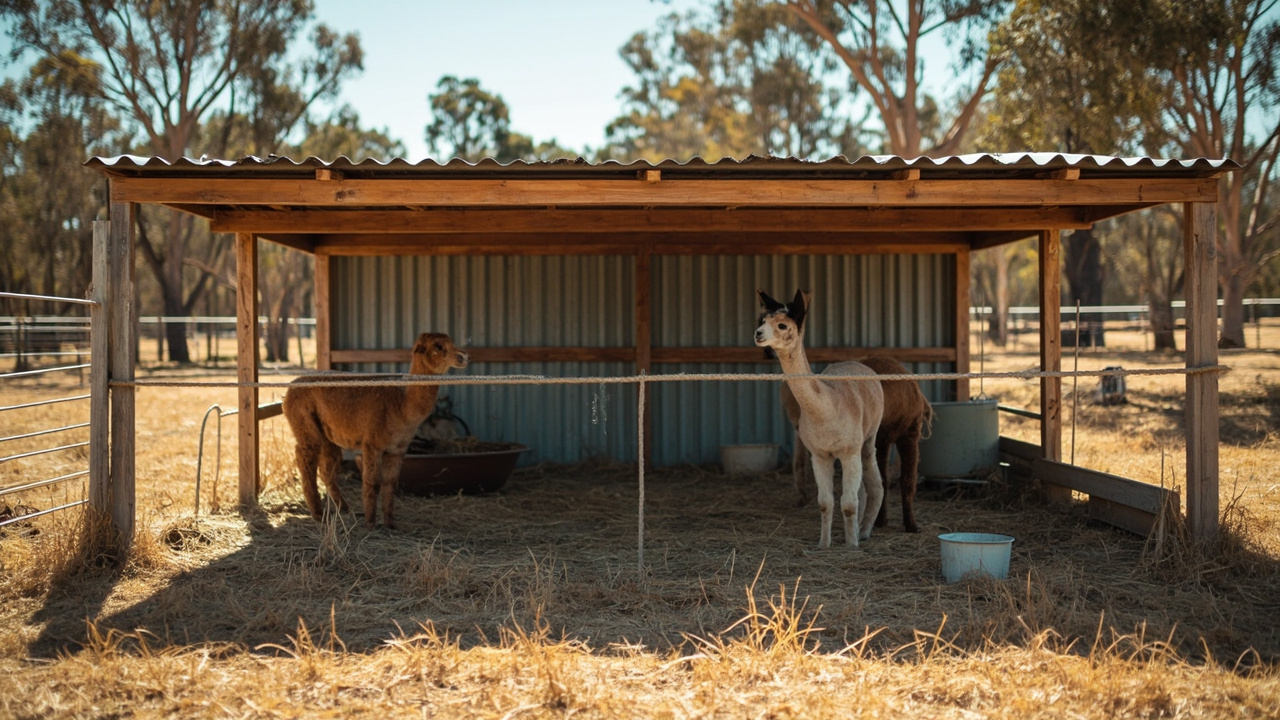
Alpacas do not need elaborate housing — a three-sided shelter providing wind and rain protection is sufficient in most Australian conditions. Feed requirements are modest: good quality pasture is ideal, supplemented with hay during dry seasons or winter. Avoid legume hays like clover-rich lucerne unless you have males — these can cause urinary calculi in wethers and males. Fresh water must always be available; alpacas drink less than sheep but need clean, algae-free troughs.
Fencing Costs And Buying Your Breeders
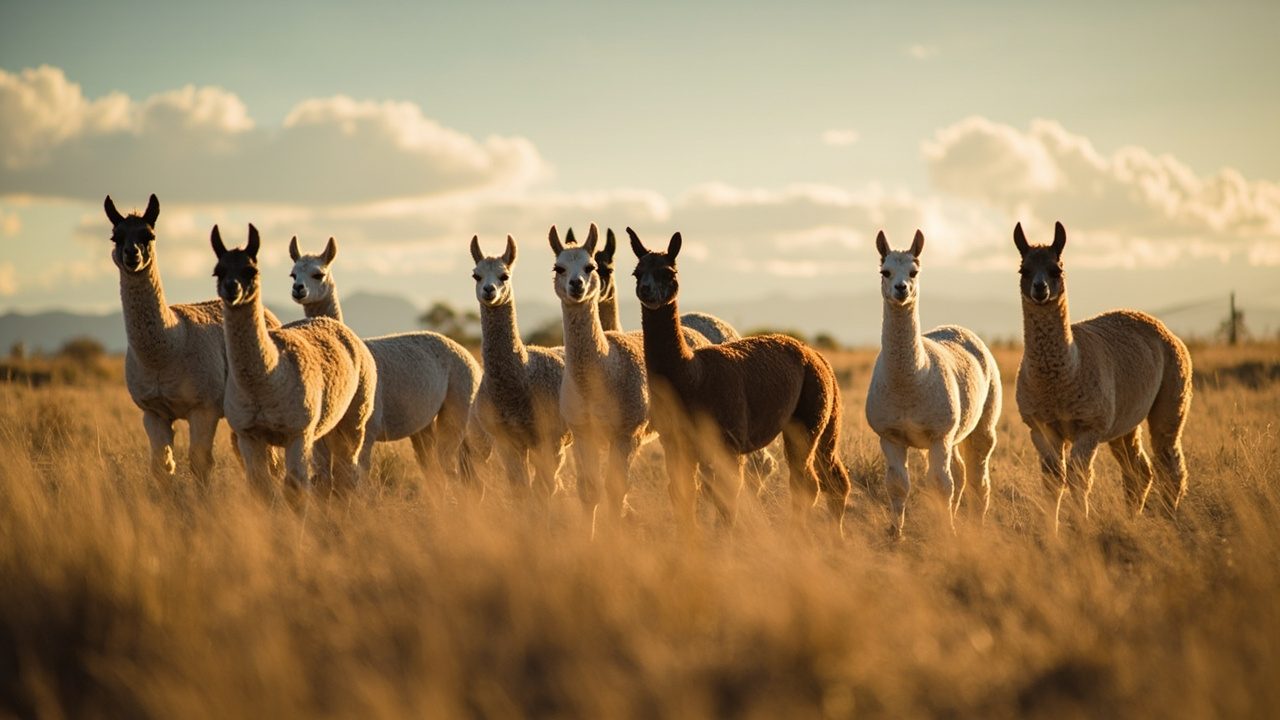
Alpaca prices across Australia swing wildly. A companion wether starts at about $500, a breeding female with solid bloodlines and good fibre fetches $1,500 to $3,000, and show studs cost even more. When I bought three weanlings to start my own herd, I budgeted somewhere between $1,500 and $4,500.
Fencing And Initial Equipment Costs
Fencing will be your first big spend, no way around it. I paid $8 to $15 per linear metre for ringlock with treated posts installed, and on a 500-metre perimeter — roughly what a smaller block runs — $4,000 to $7,500 disappears before you've bought a single animal. Add hay feeders, water troughs and the basic shearing kit and you're looking at another $500 to $1,500. Then the ongoing costs bite: shearing runs $20 to $40 a head each year, and vaccinations plus worming come in at $50 to $150 per animal annually.
Budget For Recurring Costs
I build those recurring costs into my budget from the day I start planning, not after the animals arrive. The bit that costs nothing but time is the weekly check — teeth, feet, body condition. A few minutes with each animal and you've caught most problems before they cost you real money.
Check Local Rules For Livestock
Rules shift depending on where you stand. In Tasmania, where I tend twelve acres of food, animals and preservation, livestock ID and property registration go through the state Department of Agriculture. Some councils want microchipping and NLIS registration before alpacas move off-property, so check with your local authority. I run a quick visual health check every morning: limp, dull coat, eye discharge, unusual droppings. A vet visit once a year covers teeth, foot trimming, and parasite control.
Fencing Setup And Sourcing Good Breeders
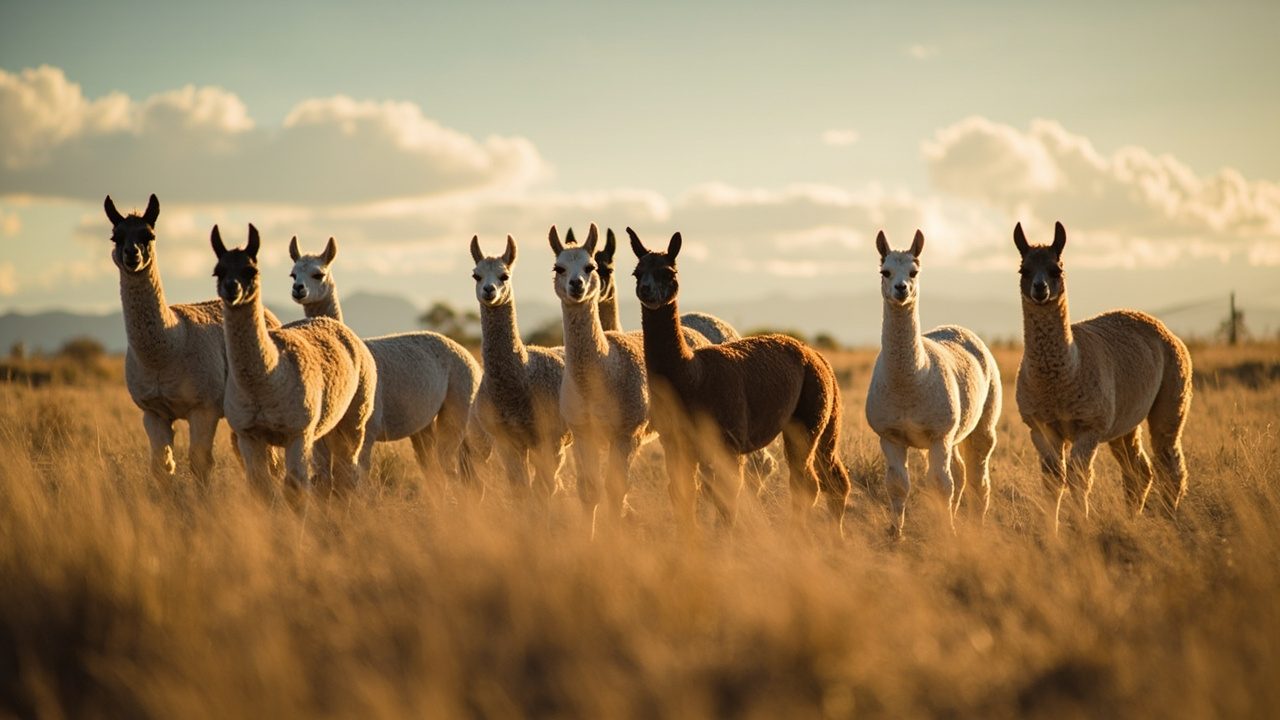
Solid fencing, proper hay feeders and heavy-duty water troughs make a genuine difference to alpaca health and knock time off my morning rounds. Skip the generic farm-shop hay rings — alpacas stick their heads in from the top and waste a third of the hay. A purpose-built alpaca feeder with vertical bars cuts that waste back to almost nothing and pays for itself in a season.
When I Call The Vet: The Warning Signs I Won't Sit On
Most alpaca problems are slow. They hide illness until they're properly crook, which is why a quiet morning check matters more than any vaccination schedule. A few things send me straight to the phone: an animal that separates itself from the mob and stands hunched in the corner, any female straining without producing a cria, a male straining to urinate, laboured breathing at rest, or faeces that turn dark and tarry. Mouth breathing is another red flag — alpacas are obligate nasal breathers and any whistle or rasp through the mouth means respiratory scours or something worse. Don't wait these out. The cost of a vet call is always less than the cost of a dead alpaca.
Conclusion
On my 12-acre Tasmanian block, alpacas earn their keep. They're calm, eat little, and produce fibre without the infrastructure sheep or cattle demand. Ringlock fencing was the biggest upfront cost — $8500 for the perimeter. A single alpaca set me back $450. After that, running costs stay low. They graze, they grow wool, they guard the herd. If you've got a few acres and want livestock that matches off-grid life, alpacas are worth a hard look. Just orient the shelter to catch the winter sun, and don't leave them out in a southerly with nothing between them and the wind. That's the lesson that cost me three.
Worth a watch: I went off-grid Queensland's Scenic Rim 🇦🇺 Wander, Wine + Alpacas! · Travel For Phoebe
No single listing we can vouch for at AU prices — these are tagged searches for the right gear class.
Disclosure: some links in this article are affiliate links. If you buy through them we may earn a small commission at no extra cost to you.