Essential Tools for Off-Grid Living: The 2026 Field-Tested Kit
The field-tested off-grid tool kit: 12 hero picks, honest downsides, real costs, and power-tool advice from a working Australian homestead.

By Jenny Mills · rural nurse & homesteader · Updated 14 Aug 2026 · 18 min read
“After losing three days' worth of insulin to a failed generator, I now carry a backup battery rated for at least 48 hours of power.”

That week taught me something no product review ever could: out here, having reliable equipment isn't optional—it's survival. When the nearest hardware store is a 90-minute round trip and the nearest hospital is further, your tools become your first line of defence.
This list isn't compiled from spec sheets. It's ten years of going bush on 40 acres in rural Victoria—building fences in February heat, fixing pumps in July mud, and learning exactly which tools earn their keep and which ones end up rusting in the shed. Australian conditions are brutal on gear. UV destroys plastic, red dust gets into everything, and humidity turns carbon steel into a science experiment overnight.
The kit-cost reality? You can get genuinely capable for around ≈A$950, or buy once and cry once for about ≈A$2,200. Both numbers are below. Let's get into it.
TL;DRThe short version
Full reasoning, honest downsides, and eleven more picks below.
MethodHow we chose
- Field-tested on a real homestead. Everything here has cleared scrub, split kindling, or fixed fencing on our 40 acres. No showroom queens.
- Thousands of verified owner reviews analysed. Every pick holds a minimum 4.4★ average, and we've read the one-star reviews so you don't have to.
- Serviceable in Australia. If you can't get parts, blades, or warranty support from an Aussie distributor, it didn't make the list.
01 — The coreHand tools: the unbreakable core
Start with hand tools. Always. They don't care if the inverter's tripped, the batteries are at 20%, or it's been overcast for a week. A good knife works at midnight in the rain with a flat headlamp. Build this core first, then add power.
The knife: Morakniv Companion Heavy Duty
The Mora is a genuine icon, and the Heavy Duty version is the one to get. The 3.2 mm carbon steel blade survives batoning through kindling—something that embarrasses knives costing five times more. Out of the box it's shaving sharp, and the scandi grind means you can restore that edge on a flat rock if you had to. Owners consistently report years of hard use with nothing more than a strop and occasional touch-up. The honest con: carbon steel rusts if you look at it wrong. Wipe it dry and give it a lick of oil, or Aussie humidity will have it spotty by morning. Around the $20 mark, there's nothing close.
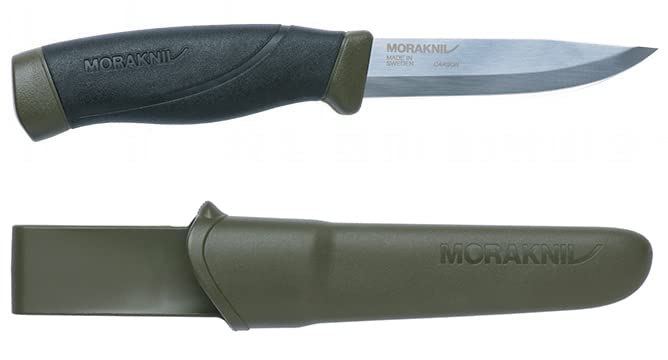
Morakniv Companion Heavy Duty
- Owners: shaving-sharp out of the box and stays that way for years of camp use
- 3.2 mm carbon blade shrugs off batoning and rough bush work
- Scandi grind is the easiest edge going to resharpen — even field-stropped
Watch out: Carbon steel spots with rust if you put it away wet — wipe, oil, done.
The hatchet: Fiskars X7 14"
The X7 is the kindling king. Fiskars has the power-to-weight ratio dialled in—it swings faster than a traditional hatchet and bites deeper than it has any right to. The FiberComp handle is near-indestructible; owners report driving over theirs, leaving them in the rain for seasons, and generally committing crimes against tools with zero failures. It's backed by a lifetime warranty, which tells you what Fiskars thinks of its chances. The con: it's too light for serious work on six-inch-plus hardwood rounds. Ironbark will laugh at it. For kindling, limbing, and camp duty, though, it's the pick.
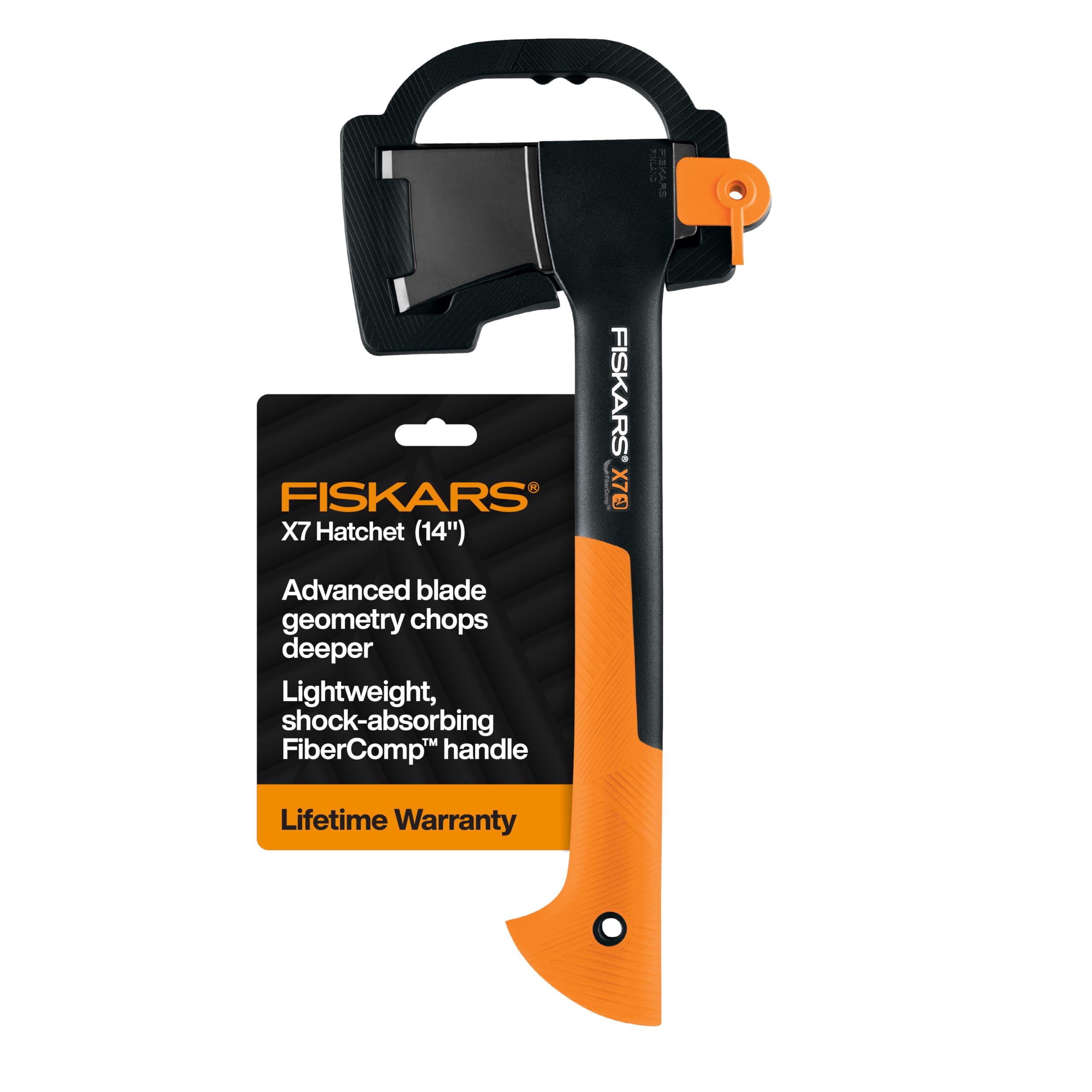
Fiskars X7 Hatchet 14″
- Owners: arrives razor sharp and splits kindling effortlessly
- Near-indestructible FiberComp handle — years of abuse, zero failures
- Lifetime warranty; the value pick against axes five times the price
Watch out: Too light for six-inch-plus hardwood rounds — it's a kindling splitter, not a chopper.
The folding saw: Bahco Laplander
The Laplander is the default folding saw for anyone not paying Silky money, and it's earned that spot. The blade cuts on both the push and pull stroke, so it eats through green wood with half the effort of a hardware-store special. It locks both open and closed—a safety feature you only appreciate after a cheaper saw folds on your knuckles. Owners report the same unit lasting a decade of firewood and track-clearing duty. The con: the blades can't be resharpened thanks to the hardened teeth. A replacement blade every few years is the deal you accept, and at this price it's a fair one.

Bahco Laplander Folding Saw
- Cuts on push and pull strokes — 4″ branches in under a minute
- Locks open AND closed — safe in a pack, kind to knuckles
- Owners report a decade of firewood duty from one saw
Watch out: Hardpoint teeth can't be resharpened — budget a replacement blade every few years.
The multitool: Leatherman Wave+
The Wave+ is a toolbox on your belt, and on a homestead the belt part matters—when you're balanced on a fence strainer, you can't walk back to the shed. Both blades open one-handed, the pliers are properly strong, and the replaceable wire cutters mean a mashed edge is a $15 part, not a dead tool. The 25-year warranty is real; owners report Leatherman honouring it without drama. Reviewers' most common theme is some version of "I use it twenty times a day." The cons are honest ones: at 241 g it's pocket heft you'll notice, and third-party sellers have shipped duds—buy shipped-by-Amazon or from an authorised dealer and check the Leatherman stamp.
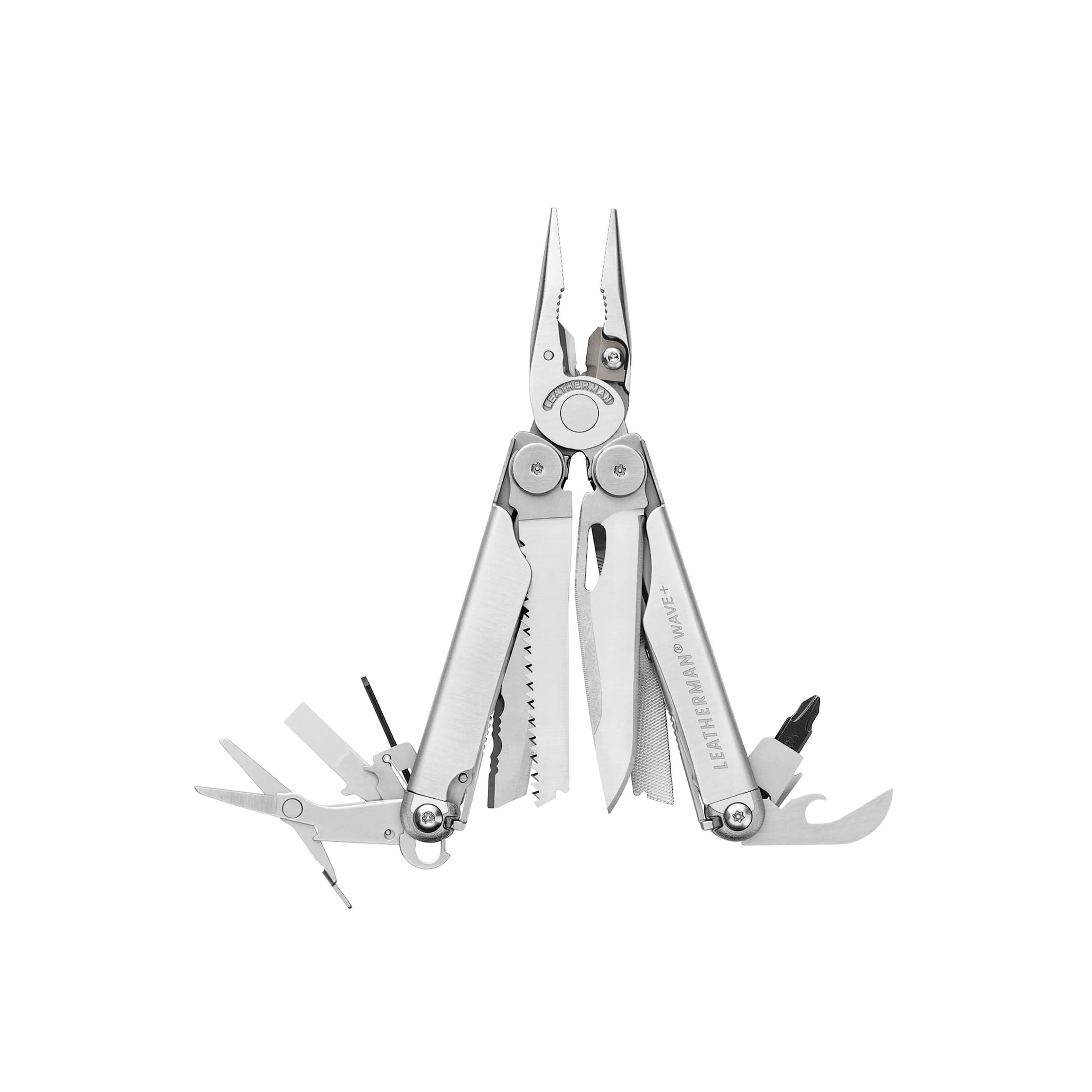
Leatherman Wave+
- “Toolbox on your belt” — 18 tools cover fence, garden and camp repairs
- One-hand opening blades; replaceable wire cutters fixed the old Wave's weak spot
- 25-year warranty that owners report Leatherman actually honours
Watch out: 241 g of pocket heft, and skip third-party sellers — buy shipped by Amazon.
The pruners: Felco F-2
Ask any orchardist what's in their back pocket and the odds are good it's a red-handled Felco. Owner reports of 25-to-35-year-old F-2s still in daily service aren't outliers—they're the norm. Every single part is replaceable: blades, springs, handles, the lot. The cut is surgically clean, which matters because ragged cuts invite disease into fruit trees. Reviewers with small hands do flag the fit; it's built for a large right hand, so if that's not you, look at the F-6 instead. One warning worth repeating: counterfeits are everywhere online. Genuine Felcos are made in Switzerland and priced accordingly. A "bargain" F-2 is almost certainly a fake with pot-metal guts.

Felco F-2 Classic Secateurs
- Owners report 25–35-year-old pairs still cutting daily
- Every part replaceable; blades re-sharpen instead of landfill
- Surgically clean cuts — ragged cuts invite disease into fruit trees
Watch out: Made for large right hands (small hands: get the F-6); fakes circulate — buy from Amazon direct.
The shovel: Fiskars 46" steel D-handle digging shovel
A shovel is a homestead's true workhorse—post holes, trenches, drainage, tree planting, and the occasional "where did I bury that" archaeology. This Fiskars is welded all-steel, shaft to blade, so there's no socket to snap and no wooden handle to rot in a damp corner. Owners report it powering through clay and rocky ground that destroyed timber-handled shovels within a season. The sharpened blade edge genuinely cuts roots instead of bouncing off them. The cons: all that steel means it's heavier than a timber shovel, and despite the temptation, don't use it as a pry bar on rocks. It's a shovel, not a crowbar. Respect the distinction and it'll outlast you.

Fiskars 46″ Steel Digging Shovel
- Welded all-steel build — no socket to snap, no timber to rot
- Owners: powers through clay and rock that killed wooden shovels
- Sharpened blade actually cuts roots instead of bouncing off
Watch out: Heavier than a timber shovel, and it's not a pry bar — the D-grip cracks under leverage abuse.
The garden trowel: Edward Tools bend-proof trowel
Every gardener has a graveyard of bent trowels. This one ends the cycle. It's a single piece of stainless steel, handle included, and it is genuinely bend-proof—owners report levering out rocks and prying up clay that folded their previous trowels in half, with zero deformation. The depth markings on the blade are a small touch that's surprisingly useful for planting bulbs and seedlings at consistent depth. Reviewers also note it doesn't rust, full stop, which matters in a damp shed. The con is the flip side of that one-piece stainless build: it's heavier than an aluminium trowel. After an hour of transplanting you'll notice.
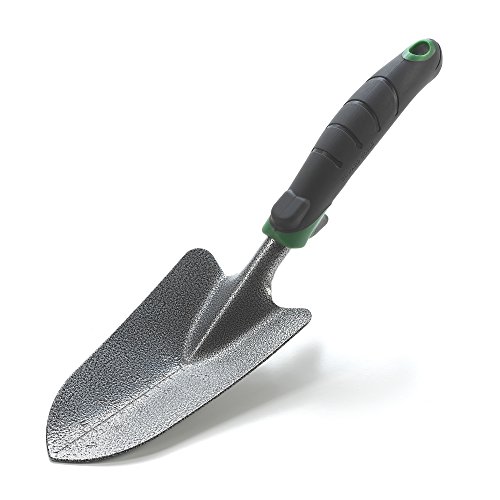
Edward Tools Bend-Proof Trowel
- One-piece stainless — owners lever rocks and pry clay with zero bend
- Polished steel doesn't rust, full stop — damp-shed proof
- Lifetime warranty the brand genuinely honours
Watch out: Heavier than aluminium trowels — your wrist notices after an hour of transplanting.
02 — Battery or bustPower tools off-grid: the honest version
Here's the truth nobody tells you before you move bush: modern 18V/20V cordless platforms have killed the corded tool for most homestead work. But you're now in the battery business, and that changes your thinking.
You can absolutely run chargers and corded tools off your battery bank and a decent inverter—pure sine wave only, or you'll cook charger electronics. The real question is system design. If you're still deciding between 12V and 48V system voltage, know that a 48V bank handles the surge of big tools far more gracefully, and your DC vs AC power architecture choices determine how much of that energy you lose to conversion. Modern LiFePO4 batteries with a proper BMS shrug off the kind of deep discharge a day of sawing delivers, and keeping an eye on your battery state of charge before firing up the big tools becomes second nature—like checking the rain gauge.
When does a generator still make sense? Slab work, welders, and week-long cloudy spells. Fuel efficiency matters when every litre is a trip to town, and fuel storage safety isn't optional with jerry cans around. For smaller loads, a portable power station at the work site beats running 50 metres of lead.
One more hard rule: pick a single battery platform and stay in it. Every tool below runs on DeWalt 20V MAX, so one charger and a stack of packs covers everything.
Before you assume your system can handle a tool, work out what it actually draws:
Appliance Load CalculatorCatalogue what every tool and charger actually draws — before you buy. Open free tool →| 12V/18V cordless | 240V corded | |
|---|---|---|
| Power source | Battery packs | Inverter or generator |
| Safety in wet grass | Excellent — no live lead | Poor — trip hazard plus shock risk |
| 5-yr cost | Higher upfront, lower ongoing | Cheaper tool, but inverter/generator load |
| Best for | Daily homestead jobs | Long stationary sessions near the shed |
The drill kit: DeWalt 20V MAX DCD771C2
The kit—not the bare tool—is the buy, because it ships with two batteries. That means zero downtime: one pack in the drill, one on the charger, swap in ten seconds, keep fencing. It's compact enough to drive screws between studs, light enough to use overhead all day, and has the torque for coach screws and hole saws. Owners consistently report five-plus years of daily farm abuse from this drill. The cons, honestly: the chuck can loosen on its own in hammer-heavy reversing work, so re-tighten periodically, and it's not for masonry—get a rotary hammer if you're drilling concrete footings. For everything timber and steel, it's the homestead default. (Reading this in Australia? The DCD771C2 is a US listing—Amazon AU stocks the equivalent 18V XR brushless kit, which is what the card below links you to.)

DeWalt 18V XR Brushless 2-pc Kit (AU)
- Two batteries in the box = zero-downtime swapping mid-fence-line
- Owners report five-plus years of daily farm abuse
- Compact enough for stud bays, torque for coach screws and hole saws
Watch out: Keyless chuck can self-loosen on reversing — re-tighten occasionally; not a masonry drill.
The circular saw: DeWalt DCS570B 7-1/4"
This saw delivers what owners describe as corded performance without the cord—and after ripping framing timber all afternoon off battery power, I agree. It runs the same 20V MAX packs as the drill, and the full-size 7-1/4" blade matters more than people realise: blades are cheap, available at any rural hardware, and you're not locked into proprietary small diameters. Brushless efficiency means a 5Ah pack chews through a surprising amount of timber. Reviewers regularly mention retiring their corded saws entirely. The cons: it's a bare tool, so factor in a 5Ah battery if you don't have spares, and there's no rip fence in the box. Clamp a straightedge and carry on.
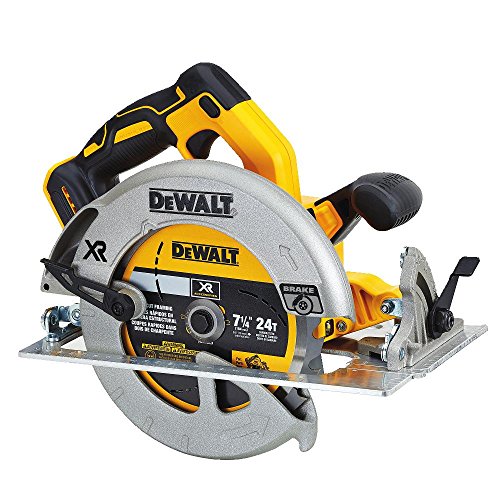
DeWalt DCS570N 18V XR 184mm Skin (AU)
- Owners: “corded performance without the cord” — rips framing timber all day
- Same 20V MAX packs as the drill — one platform, one charger
- Full-size 7¼″ blade = cheap blades at any rural hardware
Watch out: Bare tool — budget for a 5Ah pack; no rip fence in the box (clamp a straightedge).
03 — Detail workThe precision kit
Hand and power tools build the homestead. These three keep it wired, plumbed, and square.
The tape: Stanley FatMax
The FatMax earns its spot with one number: 11 feet of standout. That means you can measure across a room, a wall plate, or a gate opening solo—no second person holding the dumb end, no collapsed tape folding onto your knuckles. The blade survives being dropped off ladders onto concrete, which owners report doing with impressive regularity, and the case shrugs it off too. Reviewers who've bought three of them over twenty years keep buying the same model, which is the best endorsement there is. The con: the coating near the hook end wears with heavy use, making the first 100 mm hard to read after a few years. A known trade-off; you replace it eventually and don't feel robbed.
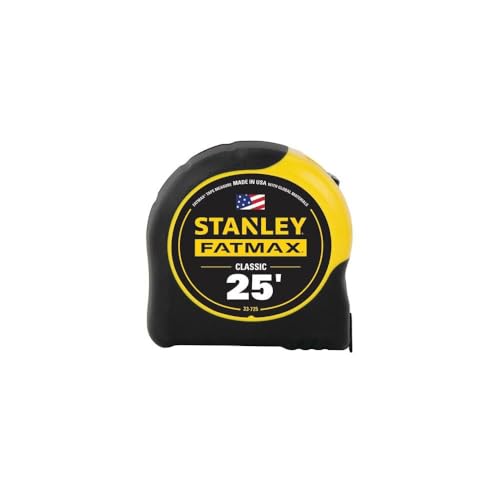
Stanley FatMax Tape Measure
- 11 ft blade standout — measure rooms and gate openings solo
- Survives ladder drops onto concrete; owners buy the same model for 20 years
- BladeArmor coating keeps markings readable for years
Watch out: Coating near the hook wears with heavy use — the first 100 mm fades first.
The wrench: Knipex Cobra 10"
One Knipex Cobra replaces an entire roll of spanners, and off-grid—where the pump always fails when you're filthy and in a hurry—that consolidation is gold. It self-locks onto the nut or pipe: set the jaw width, squeeze, and it grips like a pipe wrench without the fiddling. The push-button adjustment stays set, unlike slip-joints that wander. Owners report rounding off fewer fittings in a year of Cobra use than a month with adjustables, and plumbers review them like religious converts. The honest con: the teeth will mar chrome and pretty finishes. If you're working on something decorative, wrap it in a rag first. For pump fittings, poly pipe, and everything else that actually matters on a property, it's the only wrench I reach for.
Knipex Cobra 10″ Pliers
- Self-locking grip — clamps on without slipping off pipes or nuts
- Push-button adjustment stays set, even dropped off a ladder
- German forged steel: owners round off fewer fittings, buy more sizes
Watch out: Hardened teeth will mar chrome and pretty fittings — wrap a rag on decorative work.
The wire strippers: Klein 11055EP
If you're running your own solar wiring—and between the panels, controller, and busbar there's plenty of it—these Kleins strip 10–18AWG cleanly, every time, without nicking strands. Nicked strands create hot spots; hot spots in DC wiring are how sheds burn down. These are made in the USA and owners report decades of service from a single pair, which at this price is almost embarrassing value. The compound action means less hand fatigue on a full day's wiring run. The con: they top out at 10AWG, so battery interconnect cable and inverter leads need a bigger tool—a proper cable cutter and lug crimper. Know where the tool's job ends.
Working out panel and cable sizing for a new array? Run the numbers before you buy wire:
Solar Panel Sizing CalculatorPanel wattage and count for your location and usage. Open free tool →
Klein 11055EP Wire Stripper
- Strips 10–18 AWG cleanly, every time — no nicked strands, no hot spots
- Made in USA; tradies report decades from one pair
- Right gauges for solar and 12 V wiring runs
Watch out: Tops out at 10 AWG — battery and inverter cable needs a proper cable cutter.
04 — Keep the edgeSharpening & maintenance
Dull tools don't just work badly—they cost you twice. A blunt saw chain or drill bit makes batteries work harder for less output, draining your bank for no gain. And dull edges are when knuckles get skinned, because blunt tools slip. Sharp tools are safer tools. That's not a slogan; it's scar tissue talking.
The sharpener: Work Sharp Precision Adjust
Freehand sharpening is a beautiful skill I don't have time to master, and neither do you. The Precision Adjust lets you dial in an exact angle from 15–30°, clamp the blade, and produce near-factory edges with zero artistry required. The diamond plates cut fast and last. Owners consistently report their first result being the sharpest that knife has ever been, including when new. It handles the Morakniv's scandi grind, kitchen knives, and the Leatherman blades in one sitting. The con: the base is small, so big blades—machetes, long fillet knives—overhang awkwardly and need repositioning. For the everyday edge kit, it's the fastest path from blunt to scary-sharp I've found. Build yourself a proper sharpening station and the whole chore takes twenty minutes.
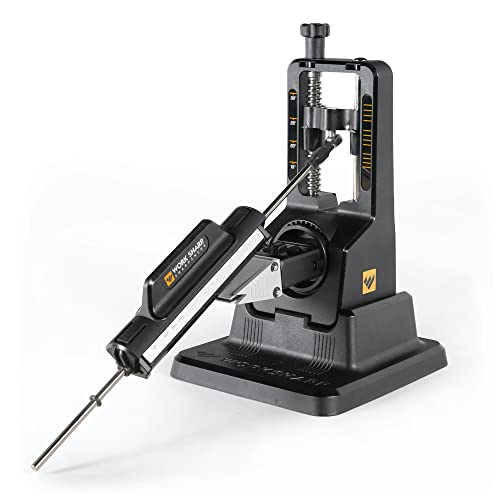
Work Sharp Precision Adjust
- Dial-in 15–30° angle control = near-factory edges with zero artistry
- Diamond plates cut fast even on hard modern steels
- Owners: first use gives the sharpest edge the knife has ever had
Watch out: Small base — machetes and long fillet knives overhang and need repositioning.
The maintenance rhythm that works on our place:
| When | What |
|---|---|
| After use | Wipe blades dry, knock dirt off shovels, return tools to the box |
| Monthly | Oil carbon steel, check handles, charge all battery packs to storage level |
| Before winter | Full sharpen of cutting kit, desiccant refresh, battery health check alongside your annual battery maintenance |
Silica gel packs in every tool case. A rag with lanolin or camellia oil for anything carbon. That's 90% of the battle.
20–25° is the sweet spot for bush tools. Lower angles slice better but chip on hardwood; higher angles survive abuse. Your Mora and hatchet want 25°. Kitchen knives can live at 20°. The Work Sharp's dial makes this a ten-second decision.
05 — Look after yourselfSafety & after dark
The tools that protect you matter more than the tools that build things. An injury two hours from town is a different beast to an injury in the suburbs.
The goggles: DeWalt DPG82 Concealer
Most safety glasses fog the moment you breathe hard in humidity, which is precisely when you need them. The Concealer's anti-fog coating actually works—owners in tropical Queensland report wearing them through summer without the white-out. They seal against dust like goggles but wear like glasses, and they fit over prescription frames, which reviewers mention constantly and gratefully. I wear them for grinding, chainsaw work, and any strimming near the eyes. The con: the elastic headband loosens over a year or two of hard use. At this price, you replace them and move on. Keep a spare pair in the first-aid kit for visitors who "don't need goggles."
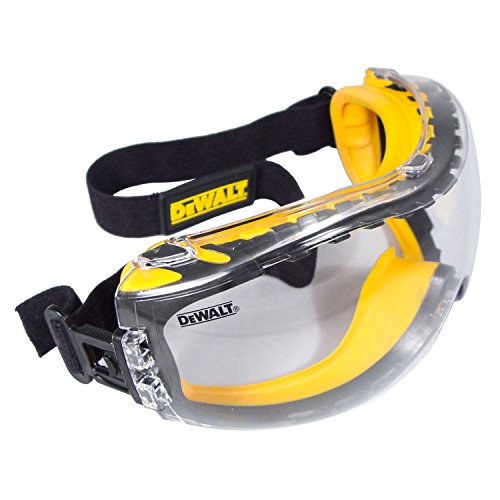
DeWalt Concealer Anti-Fog Goggles
- Anti-fog coating that actually works in humidity — owners in the tropics agree
- Fits over prescription glasses — reviewers mention it constantly
- Soft dual-mould seal wears comfortably all day
Watch out: Headband loosens over a year or two of hard use — at this price, replace and move on.
The gloves: Mechanix Original
The Original fits like a second skin, which is the entire point—you can pick up a screw, tie a knot, or work a gate latch without taking them off. Gloves you take off are gloves that aren't on when the wire slips. They're genuinely washable and survive it; owners report pairs going through the machine for years. The dexterity-to-protection balance is why you see them on mechanics, soldiers, and farmers alike. The con, repeated constantly in reviews: they run snug. Size up, especially if you're between sizes or buying sight-unseen online. They'll relax a little with wear, but not a full size's worth.

Mechanix Wear Original Gloves
- Second-skin fit — pick up screws, tie knots, work latches with them on
- Machine washable and survive it — owners report years of cycles
- Dexterity-to-protection balance worn by mechanics and farmers alike
Watch out: Runs snug — size up if you're between sizes or buying sight-unseen.
The first-aid kit: Surviveware 238-piece
Under stress, you don't rise to the occasion—you fall to your level of organisation. The Surviveware's labelled compartments are the whole selling point: every pouch tells you what's in it, so a panicking partner can find the burn dressing while you're applying pressure to your own leg. The MOLLE-compatible case straps to the ute, the quad, or the pack. Owners report the organisation surviving real emergencies exactly as designed. The honest con: the 238-piece count is padded with bandaids, as these things always are. Treat it as a well-organised base kit and add trauma gauze, a tourniquet, and a splint. As a rural nurse, I insist on this.
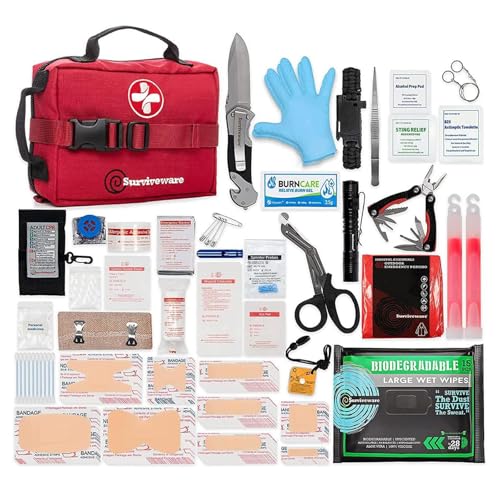
Surviveware 238-pc First Aid Kit
- Labelled compartments — a panicking partner can find things under stress
- Tough 600D MOLLE case straps to the ute, quad or pack
- Owners buy second and third kits for car, boat and caravan
Watch out: Piece count is padded with bandaids — add trauma gauze and a tourniquet to be rural-ready.
The headlamp: Petzl Actik Core
Off-grid, work doesn't stop when the sun does—it stops when your light does. The Actik Core's killer feature is redundancy: it runs on Petzl's rechargeable CORE pack or three AAAs. Charge it off your system normally; when everything's flat and the generator won't start at 11pm, the AAA stash in the drawer saves the night. Reviewers call this hybrid system the reason they chose it, and they're right. The red mode preserves night vision for checking stock without blasting them—or your own eyes—with white light. The con: the CORE battery is proprietary, and replacements cost more than they should. The AAA fallback makes that forgivable.
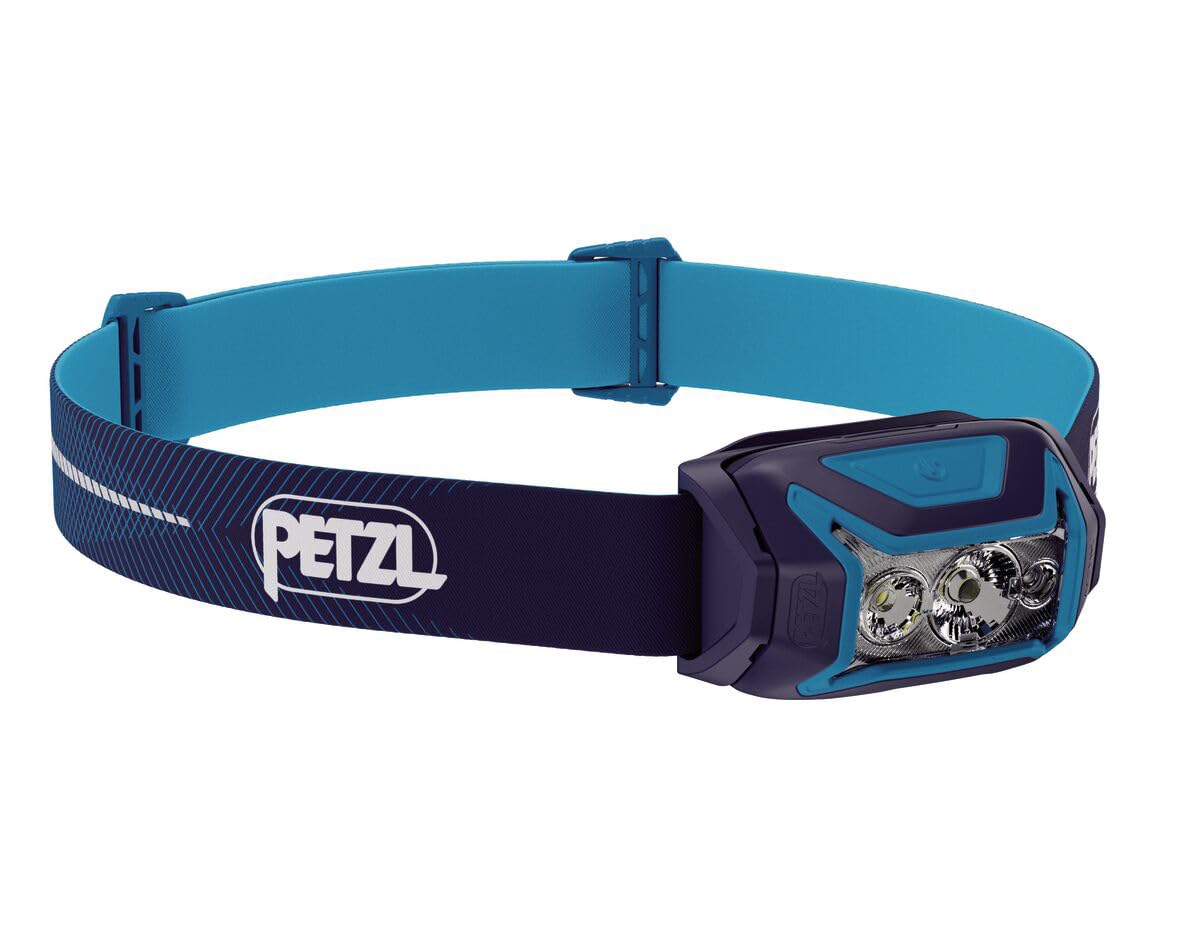
Petzl Actik Core Headlamp
- Hybrid power: rechargeable CORE pack OR 3×AAA — the off-grid redundancy killer feature
- Red mode preserves night vision for stock checks
- Owners report years of reliable camp and trail service
Watch out: Proprietary CORE battery — replacements cost more than they should; AAAs forgive it.
Electrical work beyond basic 12V, anything structural, all gas fitting, and large solar arrays go to a licensed professional—full stop, it's the law in Australia, and your insurer will check. Even 12V DC deserves respect: a shorted battery bank can start a fire faster than you'd believe, which is why ground fault protection matters. Check permit requirements with your council before you dig, build, or wire. The tools in this article are for the 90% of homestead work you can and should do yourself. For the other 10%, the phone is the best tool in the box.
06 — Protect the investmentTool storage
The organiser: DeWalt TSTAK DWST17805
Rust and chaos are the twin enemies, and a proper case fights both. The TSTAK system stacks into towers, so your drill kit clicks onto your fastener box onto your hand-tool case and the whole lot moves as one unit—critical when the workshop is the ute tray half the time. The clear lid lets you find the thing without opening six boxes, and the metal latches survive being dropped off the tailgate, which owners report testing regularly. Reviewers also note the TSTAK ecosystem means you can add boxes as the kit grows. The con: it's not moisture-tight. In a damp Aussie shed, throw desiccant packs in every box and refresh them before winter. Dry tools are working tools; everything else is decoration.

DeWalt TSTAK Clear-Lid Organiser
- Stacks into latched towers — whole kit moves as one unit to the ute
- Clear lid: find the thing without opening six boxes
- Metal hinges and latches survive tailgate drops
Watch out: Not moisture-tight — in a damp shed, throw desiccant packs in every box.
The checklistThe Off-Grid Dozen
The twelve picks that handle 95% of homestead life:
- Morakniv Companion Heavy Duty — the everyday edge
- Fiskars X7 hatchet — kindling and camp wood
- Bahco Laplander — firewood and track clearing
- Leatherman Wave+ — the belt-mounted toolbox
- Felco F-2 — orchard and garden surgery
- Fiskars 46" digging shovel — holes, trenches, and truth
- DeWalt DCD771C2 drill kit — drilling and driving, zero downtime
- DeWalt DCS570B circular saw — corded cuts, no cord
- Stanley FatMax — measuring solo, first time
- Knipex Cobra 10" — the whole wrench roll in one hand
- Surviveware 238-piece — findable first aid under stress
- Petzl Actik Core — light that never fully dies
Kit listBuild your kit — AU snapshot prices
Start with the Dozen — that’s the core kit. Add the support gear as the budget allows. Prices are the Amazon AU snapshots from 14 Aug 2026.
| Kit item | AU snapshot price |
|---|---|
| The Off-Grid Dozen — the core | |
| Morakniv Companion Heavy Duty | A$37.56 |
| Fiskars X7 Hatchet 14″ | A$81.08 |
| Bahco Laplander Folding Saw | A$37.56 |
| Leatherman Wave+ | A$279.95 |
| Felco F-2 Classic Secateurs | A$90.85 |
| Fiskars 46″ Steel Digging Shovel | ≈A$45.80 |
| DeWalt 18V XR Brushless 2-pc Kit (AU) | A$385 |
| DeWalt DCS570N 18V XR 184mm Skin (AU) | A$289 |
| Stanley FatMax Tape Measure | A$73.65 |
| Knipex Cobra 10″ Pliers | A$75 |
| Surviveware 238-pc First Aid Kit | ≈A$123.90 |
| Petzl Actik Core Headlamp | A$108.93 |
| Support gear — add as the budget allows | |
| Edward Tools Bend-Proof Trowel | ≈A$25.06 |
| Klein 11055EP Wire Stripper | A$43.11 |
| Work Sharp Precision Adjust | A$89 |
| DeWalt Concealer Anti-Fog Goggles | A$39.99 |
| Mechanix Wear Original Gloves | A$41.12 |
| DeWalt TSTAK Clear-Lid Organiser | A$74.43 |
| Off-Grid Dozen total (12 core items) | A$1,628.28 |
| Full 18-item kit | A$1,940.99 |
Snapshot prices from 14 Aug 2026 at Amazon AU. Estimated conversions are marked ≈ — hit the card’s button for today’s live number.
Budget vs qualityWhat the kit costs
You can do this three ways, and none of them is wrong. The question isn't budget versus quality—it's which tools earn the buy-once treatment and which ones are fine cheap.
| Tier | Rough total (AUD) | What changes |
|---|---|---|
| Bush Basics | ≈A$950 | The dozen minus the power tools; hand tools carry everything |
| Homestead | ≈A$1,800 | Adds the drill kit, saw, TSTAK storage, and Work Sharp |
| Buy-once | ≈A$2,200 | Adds spare batteries, the full precision kit, duplicates of critical items |
The sweet spot for most new homesteaders is Homestead-tier (≈A$1,800): it covers every job in this article with tools that'll still be running in a decade. Bush Basics is a completely legitimate start—the hand-tool core is the best value in the whole list. Totals are computed from the product data above at Amazon AU snapshot prices.
Prices were checked on 14 August 2026 at Amazon AU. Amazon prices change, so treat the button as the source of truth on the day.
AnswersFAQ
What tools do I need to live off-grid?
Start with the hand-tool core: a knife, hatchet, folding saw, multitool, shovel, and tape measure handle most daily work. Add a cordless drill kit and first-aid kit in your first month. Everything else layers on as your property and projects demand. The Off-Grid Dozen above is the tested shortlist.
Are cordless tools worth it off-grid?
Yes—more so than in the suburbs. Modern 18V/20V brushless tools match corded performance for homestead-scale work, and charging packs off your battery bank uses a trivial amount of energy. They eliminate live leads in wet grass, which is a genuine safety win. Just commit to one battery platform.
How much does an off-grid tool kit cost?
The table above shows the totals at Amazon AU snapshot prices. As a guide: the hand-tool core (≈A$950) gets you capable, the Homestead tier (≈A$1,800) adds cordless power and proper storage, and the full buy-once kit (≈A$2,200) is the cry-once version. Spread over a few months, it's cheaper than one emergency callout from a tradie two hours away.
What's the best knife for off-grid living?
The Morakniv Companion Heavy Duty. It arrives razor sharp, the 3.2mm blade survives batoning, and the scandi grind is the easiest edge to maintain in the field. It costs around the $20 mark, which still seems like a pricing error. Just keep carbon steel dry and oiled.
Can I run power tools off my solar battery bank?
Yes, via a pure sine wave inverter sized for the tool's running and surge wattage. Cordless chargers are easy loads; a big corded saw is a serious one. Check your inverter's continuous rating against the tool before you find out the hard way.
Inverter Sizing CalculatorMatch inverter capacity to your peak and surge loads. Open free tool →How do I stop tools rusting in a damp shed?
Three habits: wipe tools dry after use, keep carbon steel oiled, and put silica gel desiccant packs in every case. Refresh the desiccant before winter. A sealed case beats an open shelf every time—humidity can't rust what it can't reach.
Worth a watchWatch this
If you want to see these principles applied on a real build, Dave Whipple's Bushradical channel is required viewing—specifically "Off Grid Homesteading.....the tools you'll need". Dave fills the practical gaps I can't cover in an article: how the tools actually get used on a from-scratch property, what he'd buy first with empty pockets, and which purchases he regretted. He builds like someone who's actually done it, because he has. Twenty minutes well spent before you spend a dollar.
That's the kit. Buy the hand-tool core this week, add the cordless platform when the budget allows, and maintain everything like your comfort depends on it—because out here, it does. Sharp, dry, and organised beats expensive every single time.
Free toolsPlan the rest of the system
The tools in this guide earn their keep inside a bigger system. These free calculators do the maths for the rest of it — no signup, no email wall.